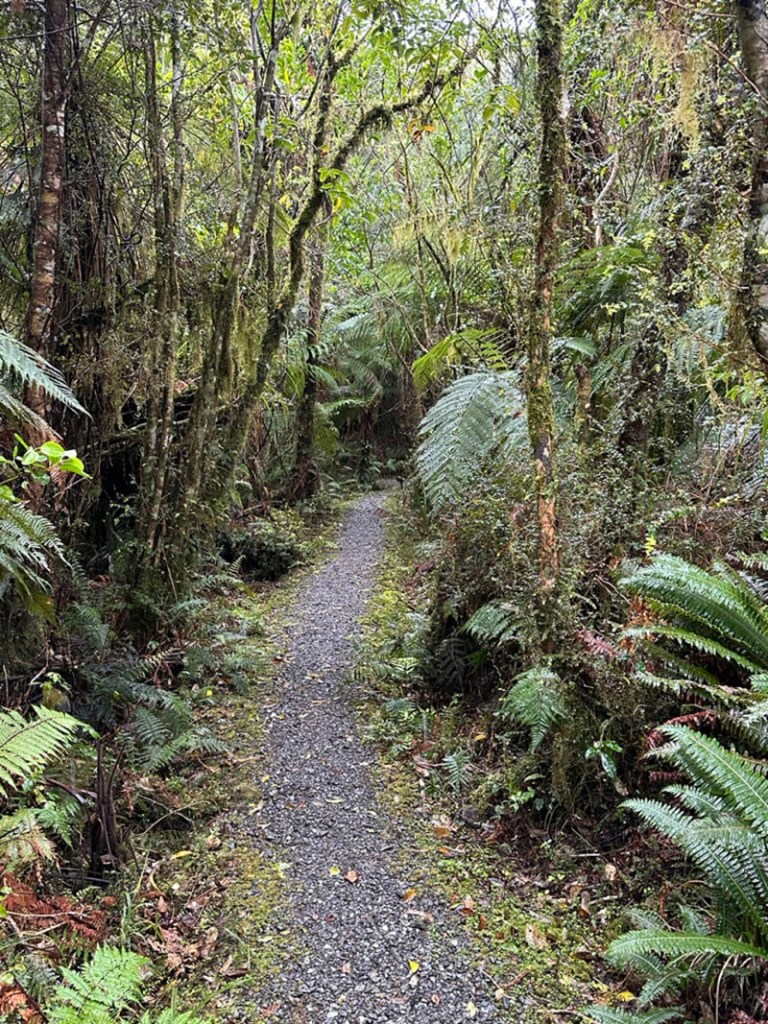
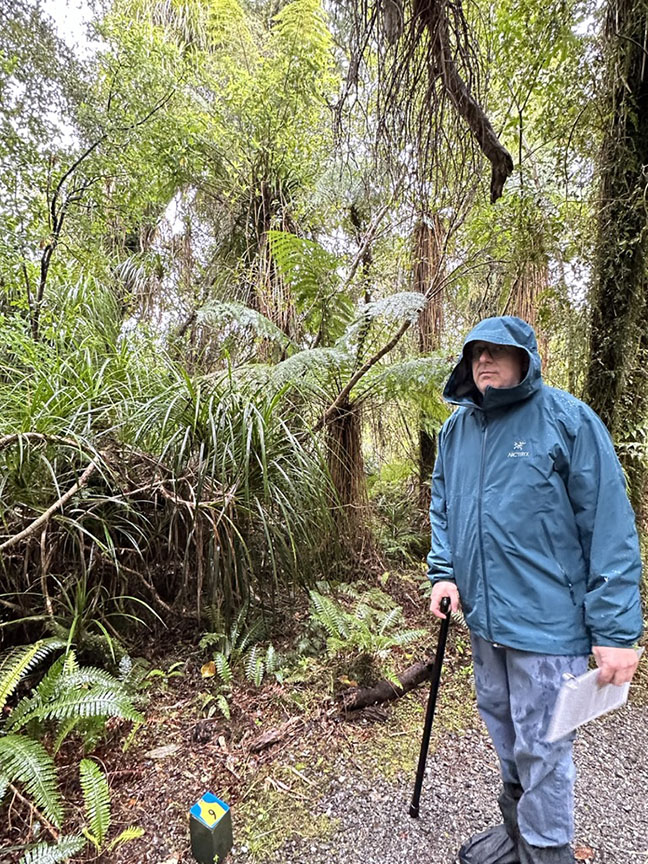
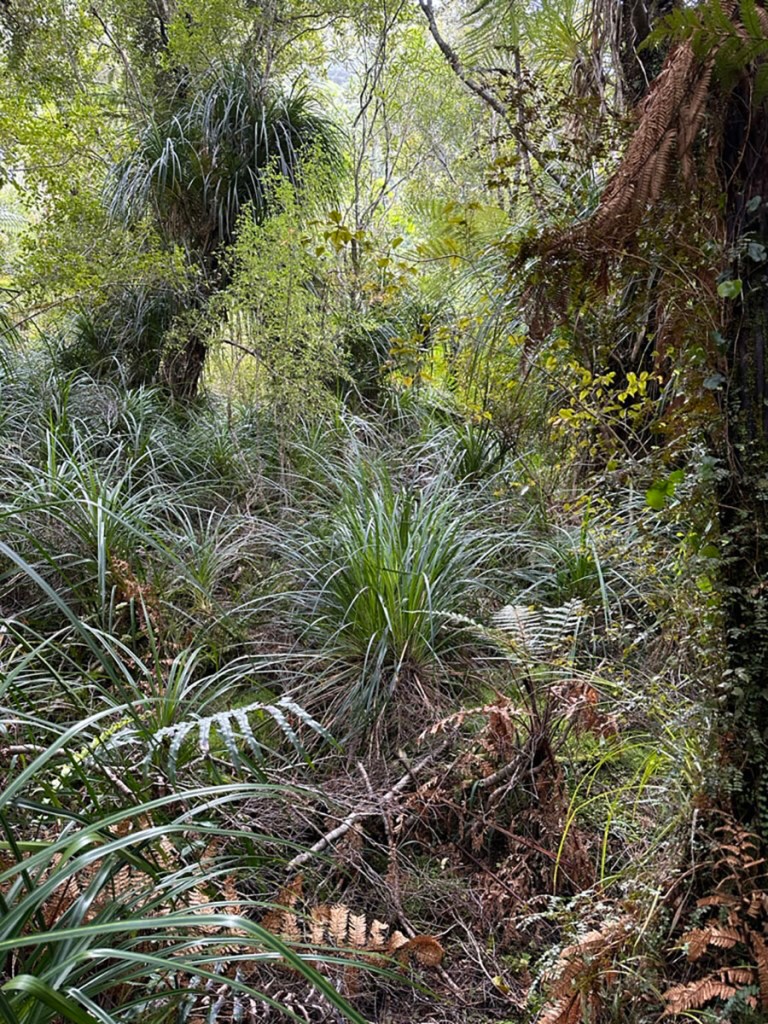
While we were waiting to see the penguins, we spent some time on trails around the lodge. This one was an educational trail through the rain forest. Being a rain forest, we did not see much sun while we were there. One day it rained 60mm, which is 2.5 inches. If you visit a rain forest, you have to assume that it is going to rain and you have to be willing to go out into it. I have to admit, kudos to the folks living and working there. It is just way too gloomy for me.
Path through the rain forest.Matt being the rain forest tour guide. He looks thrilled, doesn’t he? Actually, it was really interesting
Now it was time for penguins. The penguins live in the forest that lines the shore along a small bay on the Tasman Sea. It is odd to think of penguins as living in a forest, but penguins live in all kinds of places. Some like the South African penguin live in burrows, some favor rocky shores, some favor forests. To get to the habitat, we had to walk through the rain forest and cross a few streams.
Rainforest/bushGerry proudly shows his work
Wait. How did Matt ford streams and hike through a rain forest? Matt can do a lot of things that people do not expect. Gerry told us that Anne did not think Matt would make it. But Gerry thought he was entitled to try. He did not double time us along the path. We went at Matt’s pace. Matt carries a portable stool which he uses to give his feet a rest and Gerry was more than happy to pause. As for the streams, I had on gum boots. Matt had on his waterproof shoe covers and we both kept our feet dry.
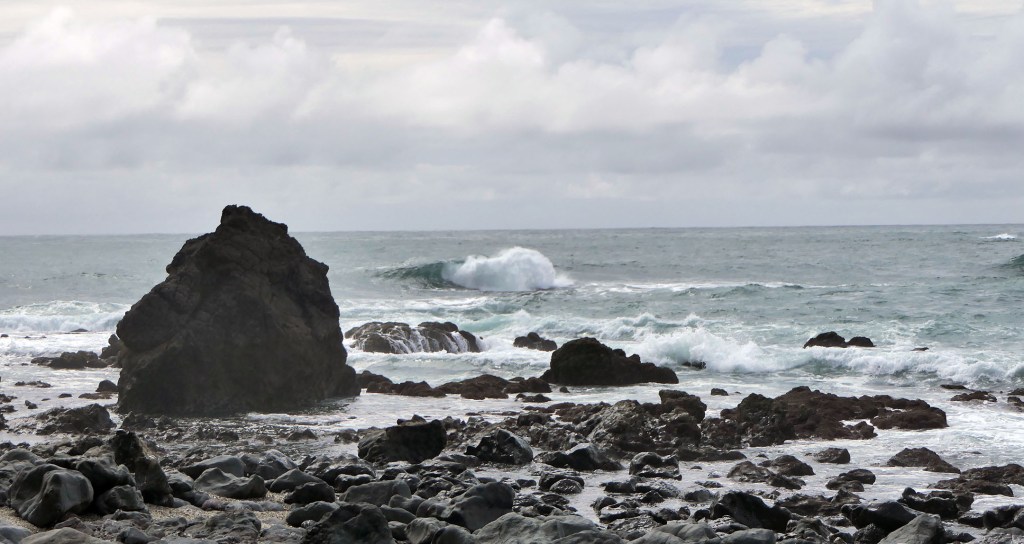
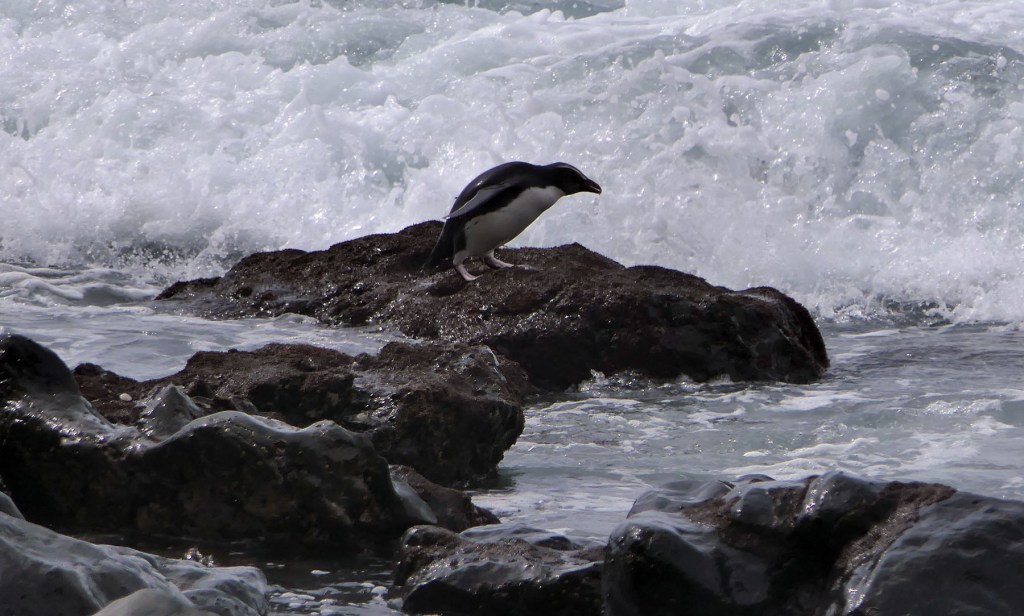
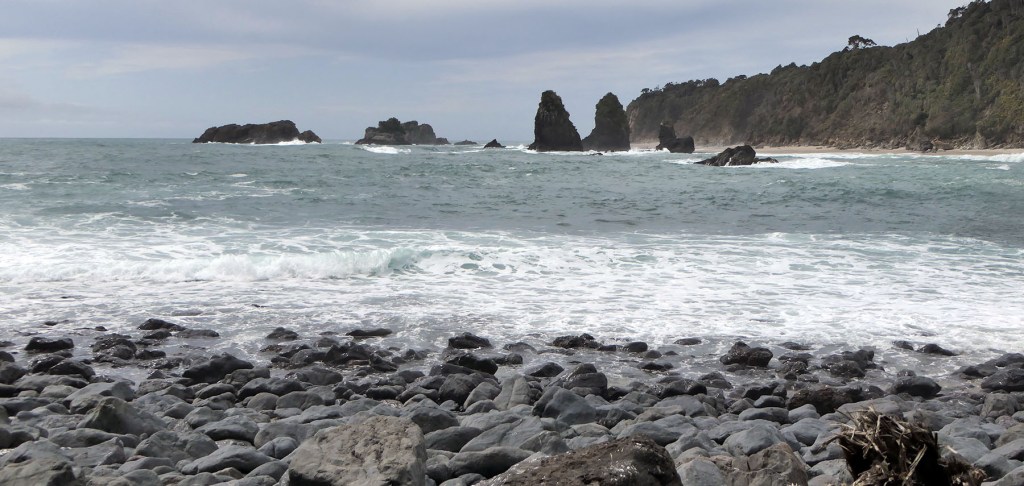
Gerry took us to a secluded cove where waves crashed over huge black rocks.
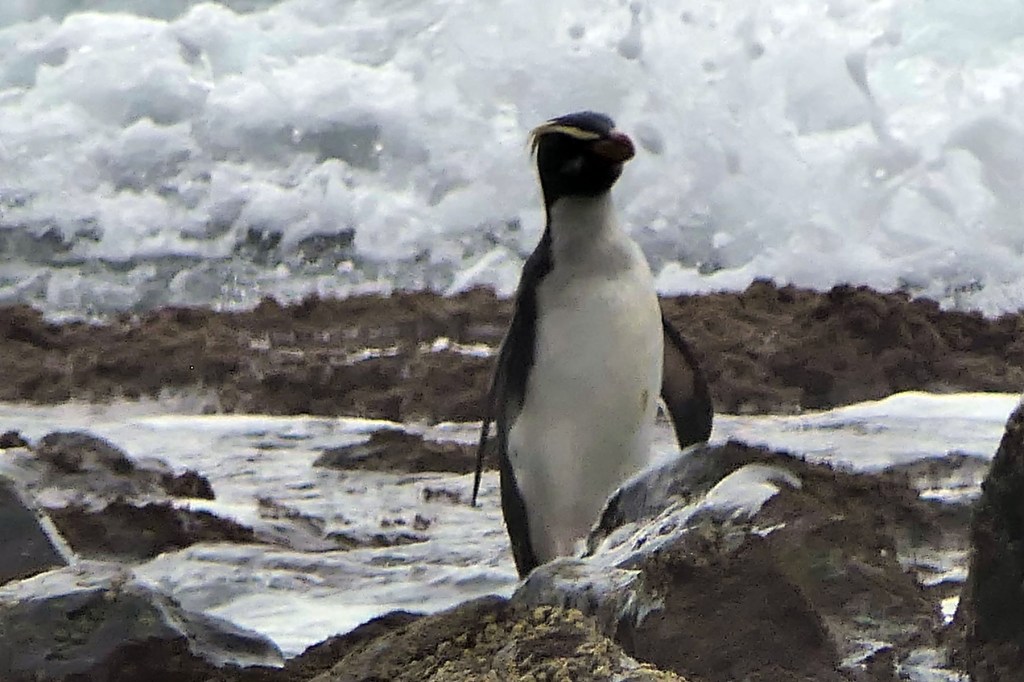
The penguins landed here. on the waves crashing over the rocks.
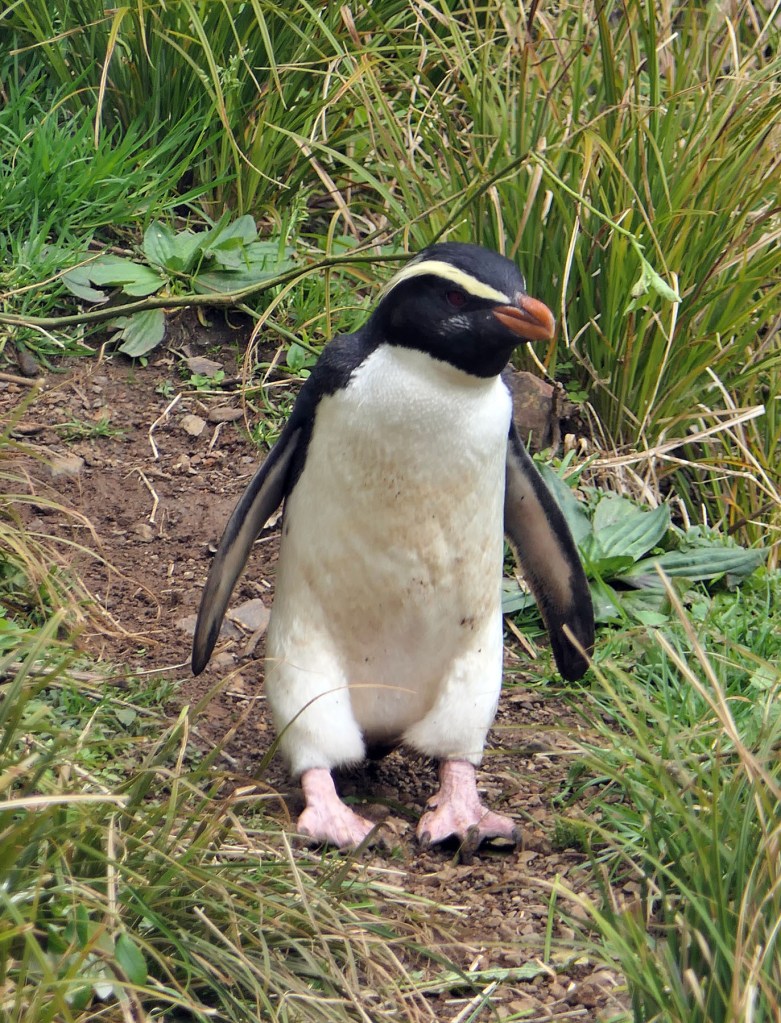
The penguins are endangered and few in number. So this was not like the nature documentaries you see where people are wading through thousands of penguins. The beach was empty. The penguins nest in the forest surrounding the cove. Like most penguins, the male and female take turns watching the eggs. One goes out to sea for food, the other stays behind. As they return from the sea, they land on the rocks, then hop or walk across the rocks and sand and waddle up a hill into the bush. We were there to observe them as they went back and forth.
Gerry positioned us on a log, and we waited. In a few minutes, the first penguin came out of the bush and down the hill to head out to sea.
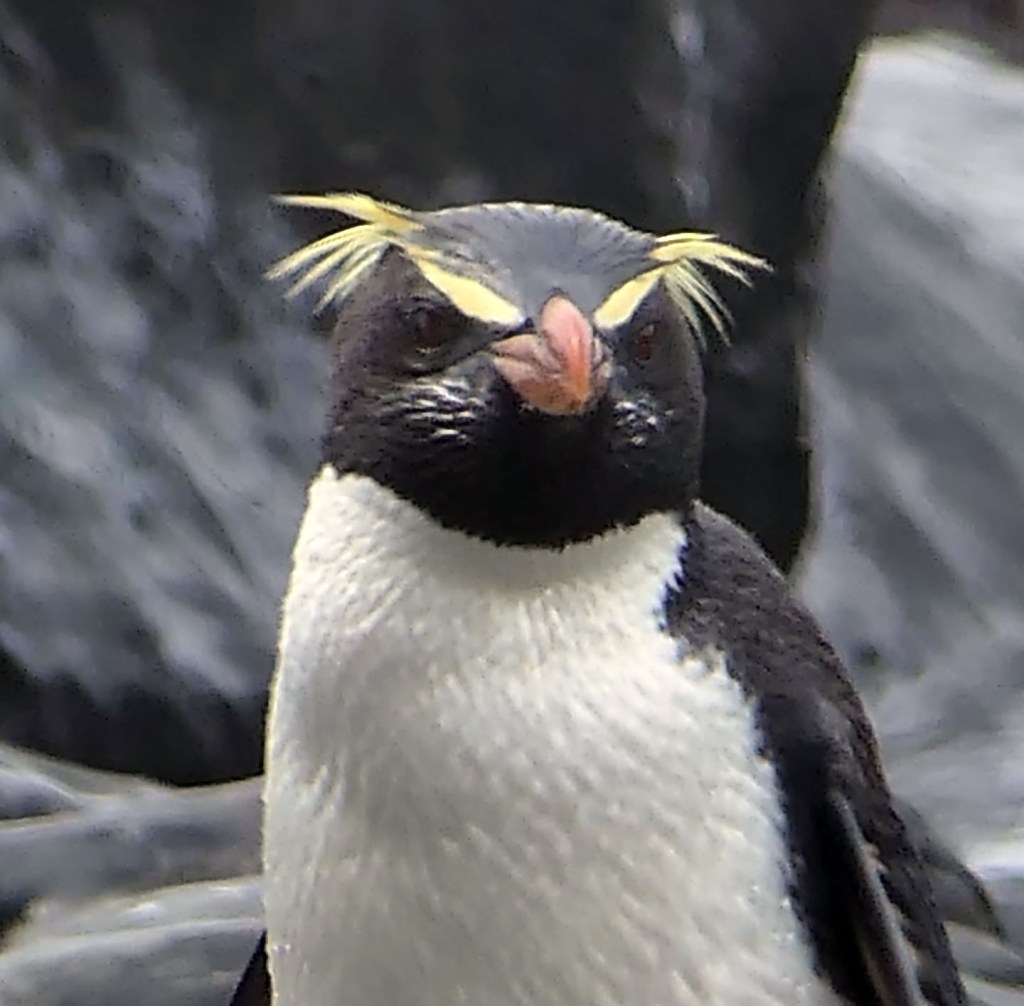
Going out for a swim
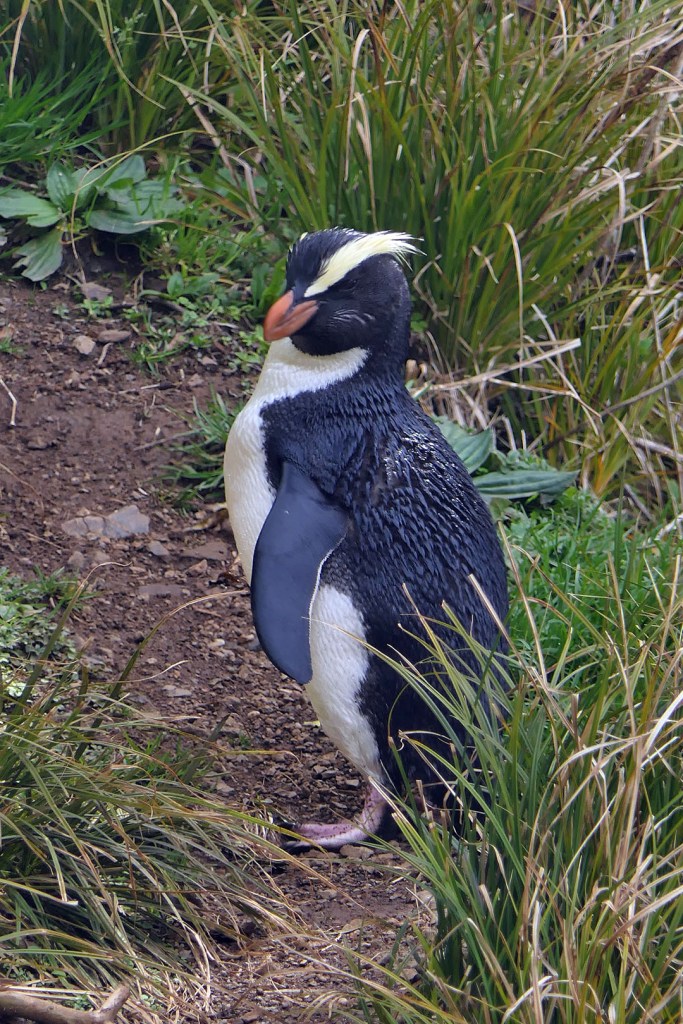
Damn, penguins are cute. You just have to smile when you see them. They have that side-to-side wobbly walk, their little heads pushed forward, their bellies almost covering their feet. They flap those little wing-fins to balance as they hop from rock to rock. Just damn cute.
Okay. One penguin sighting. We waited some more. As we waited, we talked about everything—conservation, penguins, birds, world events, questions about America. Gerry was up on the current politics, so we got questions about Trump of course. One thing I have learned here is that, to New Zealanders, Americans are kind of like penguins. We are interesting to observe, and they so want to understand our habits. And of course, some of us wobble when we walk.
As we waited, we were engulfed in thousands of sand flies, the devil of the South Island. When you think sand flies, you might think annoying flies like you find around farms. Or you might think of gnats. You might even think, well, I have been swarmed by mosquitos. Sorry, but your imagination needs to take it up a notch. Sand flies are evil, blood sucking insects whose bites are sharp and filled with toxins that will make your skin look like you have been rolling in poison ivy. And the bites are just as itchy, if not itchier than that. God must have really wanted to make us miserable to create those vampires.
I had on black pants for no better reason but that was all I had to wear. Unfortunately, black clothes attract the flies. Gerry kept telling me this, but it was most unhelpful given I was miles from the lodge and had nothing else to change into. (If only they had warned us about the clothes before we arrived!)
I was soon covered with hundreds of flies. I had brought along natural repellant that I bought at the lodge. Gerry scoffed and offered me Deet. I declined. Since the only exposed part of me was my hands and face, I figured how bad could it be?
It was bad. Very bad. I finally put on some Deet but being the insect magnet that I am, it really was of no help at all. So I just tolerated them, shooing and swatting as needed. (By the time I got home a few days later I had giant welts. I tried in vain not to itch. But the feeling was so intense all I could do was scratch as hard and as long as possible. Counterproductive I know. But at the time it felt so right.)
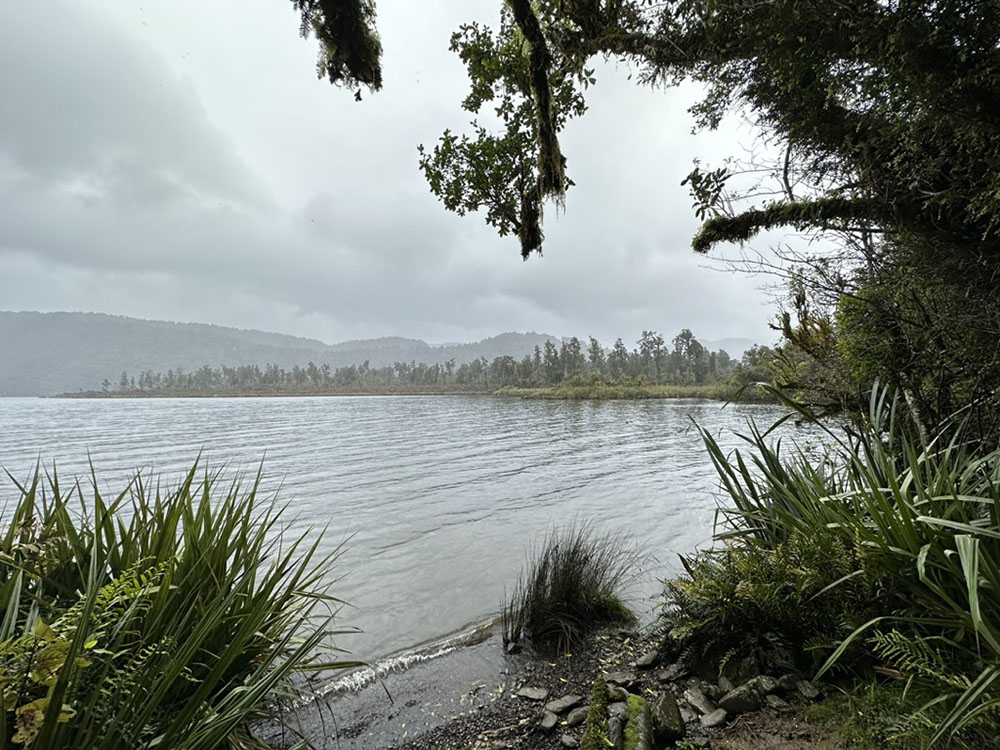
After two hours we had counted fifteen penguins, coming and going from nest to sea and sea to nest. Gerry said that was the second most sightings for the season. Plus, the location was so beautiful that the bug bites were worth it. Take a look.
Just back
Heading homeGetting ready to dive in.Just landedNice place for some penguins to live.
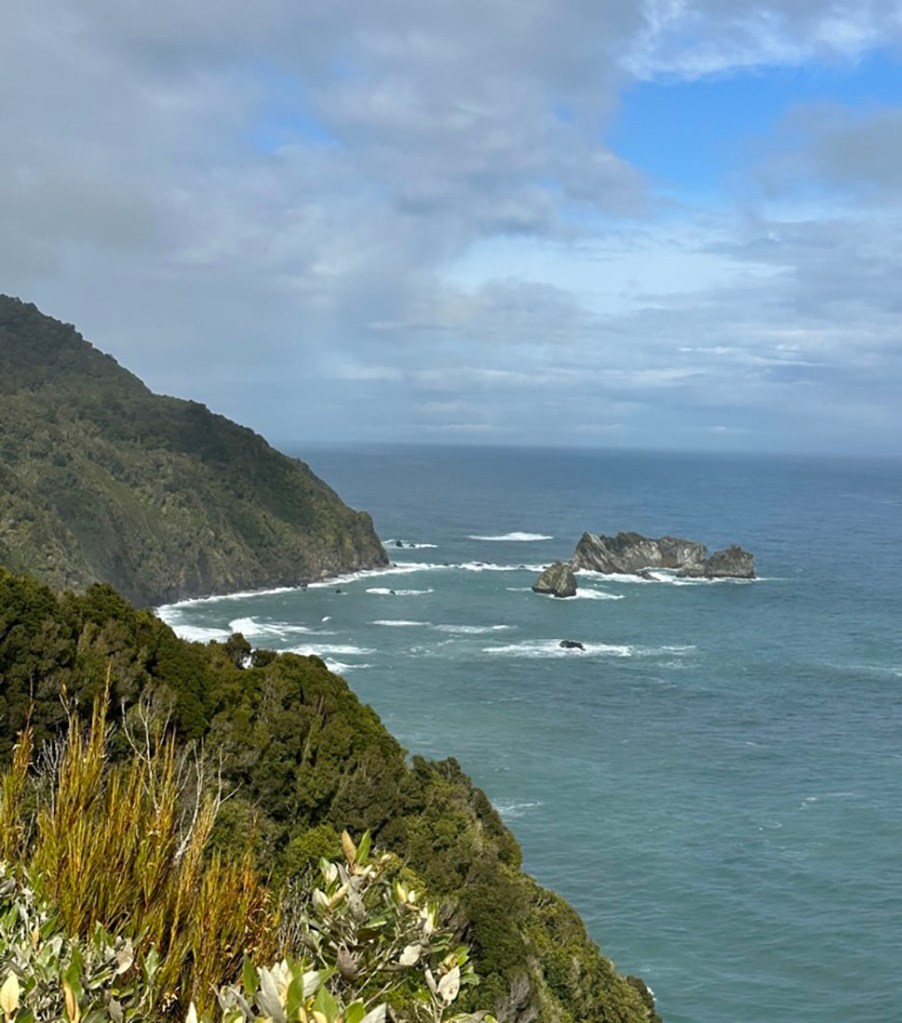
We took a trip to the West Coast of the South Island to see the Fiordland crested penguin. This is an endangered penguin that lives only on the West Coast. The West Coast itself, an unlogged rain forest that is intended to represent what New Zealand looked like before it was settled and the forest were mowed down for timber and farming, is itself designated as a U.N World Heritage site. Here there are fjords, glaciers, mountains and crystal clear rivers and lakes. Despite its remoteness, it is big on any tourist list of things to see and do when visiting the South Island.
Our goal was to see the penguins, which we missed when we visited New Zealand in 2005. We did come to this part of the country, visiting Milford Sound and flying to the top of Mount Cook and landing on a glacier. But we did not drive the coastal highway. We were so distracted after we bungy jumped from the Kawarau Gorge Bridge, we could not even think about a rain forest.
So this was our chance to tick this bird off our list.
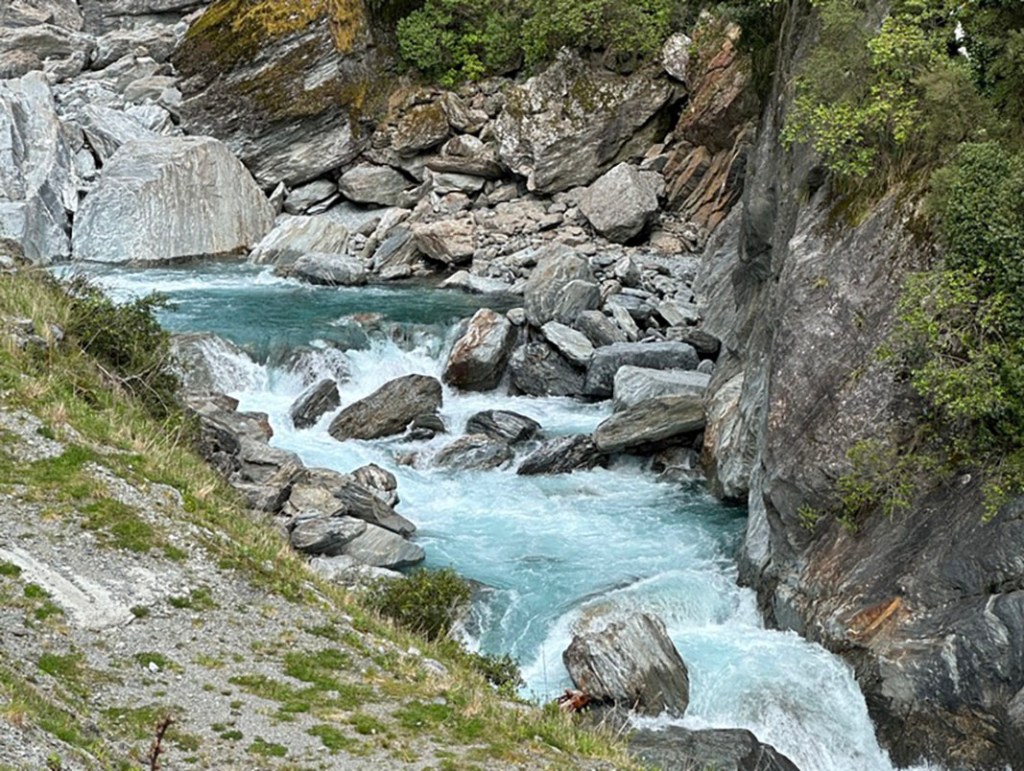
We stayed at the Wilderness Lodge at Lake Moeraki, a remote lodge, located in a rain forest, hours from any town, about as far from civilization as you can get while still driving a car. To get to the Lodge, we had to Drive Route 6, from Queenstown to the Coast, a four-hour drive on winding roads, over mountain passes, and along stop-the-car clear blue lakes, waterfalls, and rivers.
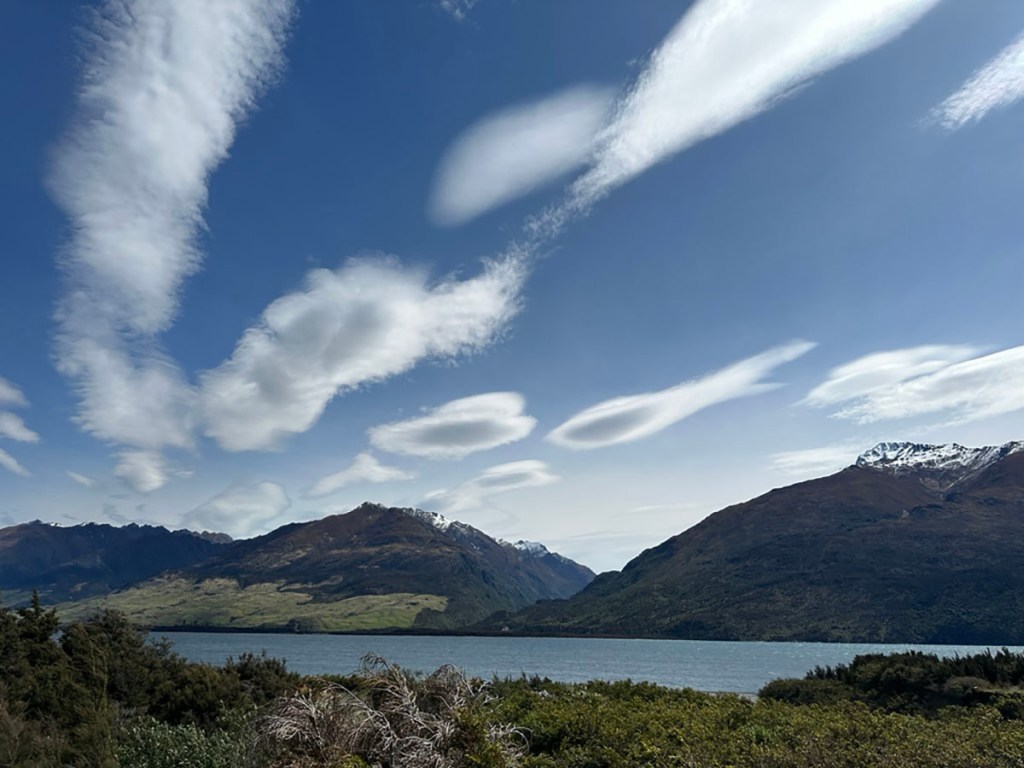
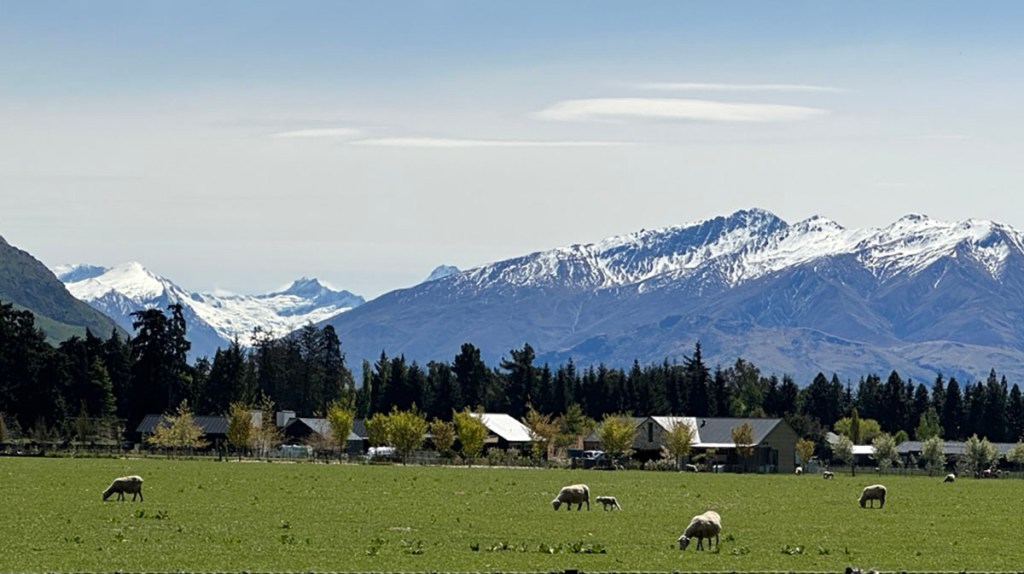
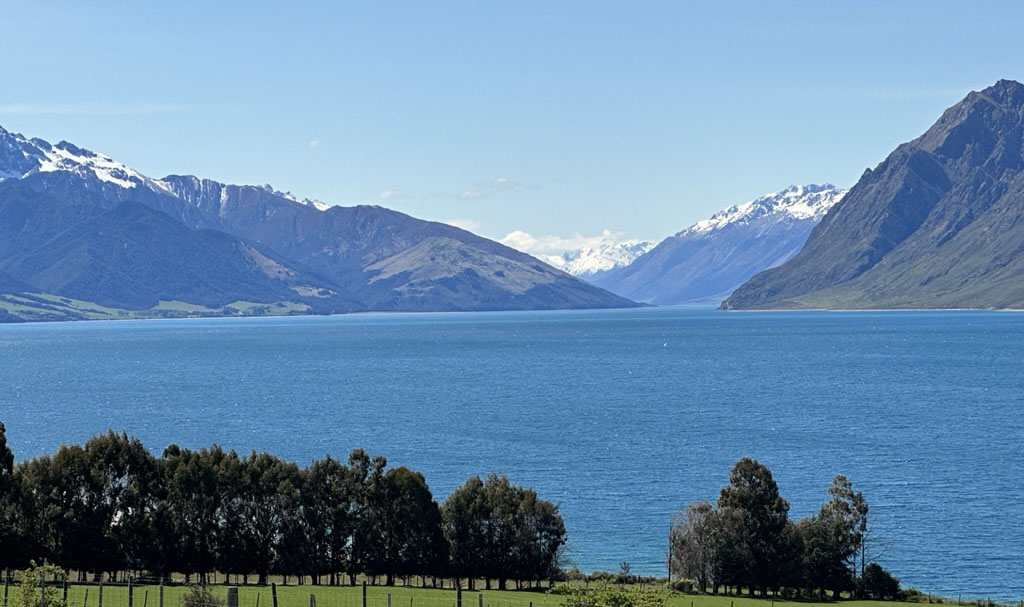
Here are some pics.
Sheep! I never tire of this kind of scenery.Lake HaweaThis color is typical of streams and rivers. Crystal clear blue aquaAlong Highway 6Ship Creek. Just look at those clouds.
The lodge owners, Gerry and Anne, were quite nice and helpful. Gerry and Anne, both lifelong conservationists and very willing to make good trouble, were instrumental in having this part of New Zealand protected from development, with five national parks, and also helping to establish it as a World Heritage site. Gerry would take us into the bush to see the penguins in a protected area he helped to create.
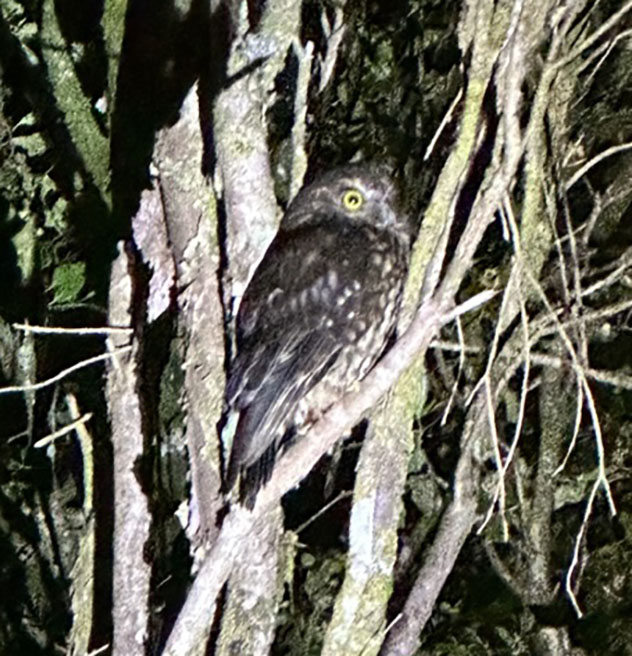
But first we had to see a Morepork Owl. I love owls and New Zealand has two. They are hard to see but being in an isolated place, the birds were plentiful and not shy at all. We could hear the owl, but it took Gerry to lead us to it. It was right there in a tree next to our room. Here it is. Gorgeous darling.
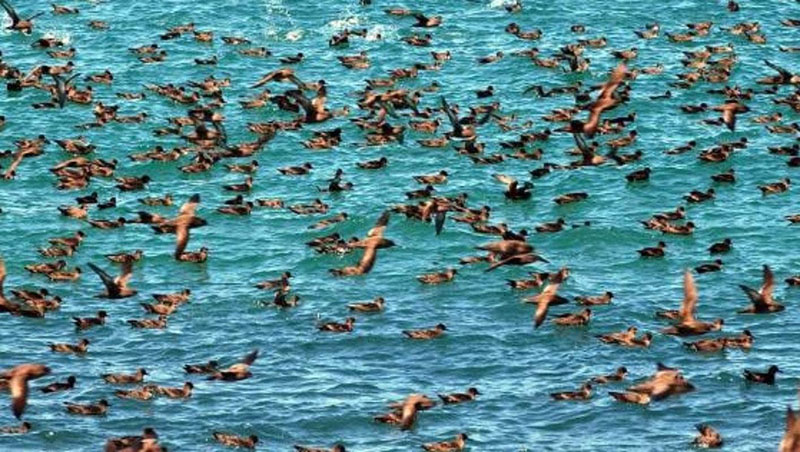
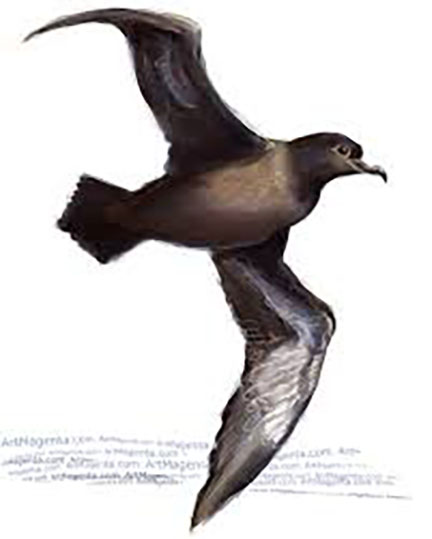
Sooty shearwater gather at the Titi Islands, which are located off Stewart Island, the southern most island in New Zealand and a fun place to visit.
The Maori eat the titi or mutton bird. A titi is a sooty shearwater, a sea bird that nests on certain islands off shore of New Zealand, known as Titi Islands. Maori are permitted to harvest the shearwater chicks, which are considered a delicacy, and the birds can be bought at certain grocery stores.
I had eaten titi on our trip here in 2005 when we were on Stewart Island. I recall that it tasted like fishy chicken. I saw one for sale at the grocery store so I decided I would try it again, cooking it the New Zealand way, just to see if that was right. I looked up recipes for cooking mutton bird, as the white New Zealanders call it. They all seemed to be pretty similar, so I picked one and then riffed on it.
There are a few issues with mutton bird. First it is a very oily bird, much like duck. Second, it is also a very salty bird. The salt comes, not from the ocean, but from the fact that the Maori harvesting the birds do not have refrigeration on their small boats. So they salt the birds to preserve them. This means the preparation of the bird is primarily about getting rid of the salt and fat.
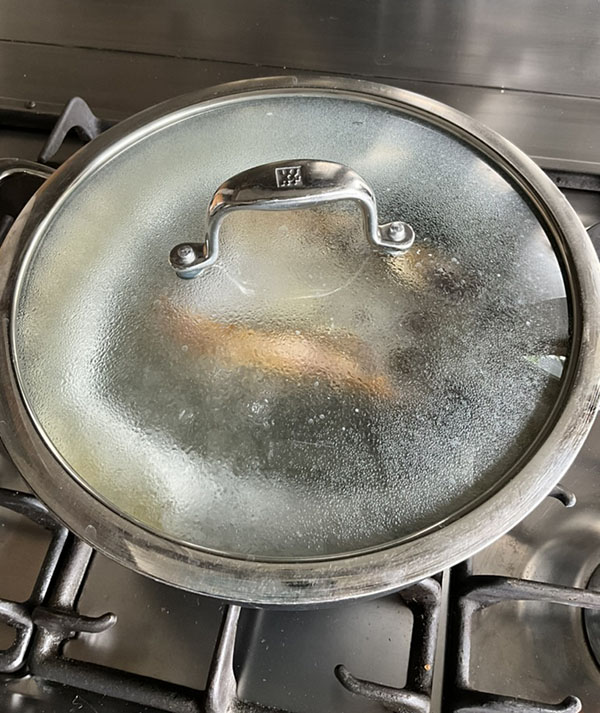
The first step is to boil the crap out of the bird. Put it in a large pot, cover it with water, add a bay leaf, and boil. Boiling this bird is a challenge largely because they stink to high heaven. If you can boil it outside, that would be ideal. Absent that, open every window in the house. After an hour, there will be a mound of fat on the water. Drain it off taking the salt with it. Start again. Fresh water covers the bird. Boil it for another hour. More fat, more salt. Drain it again. By this time, it should be completely tender and while not completely salt and fat free, at least edible.
Boiling the bird
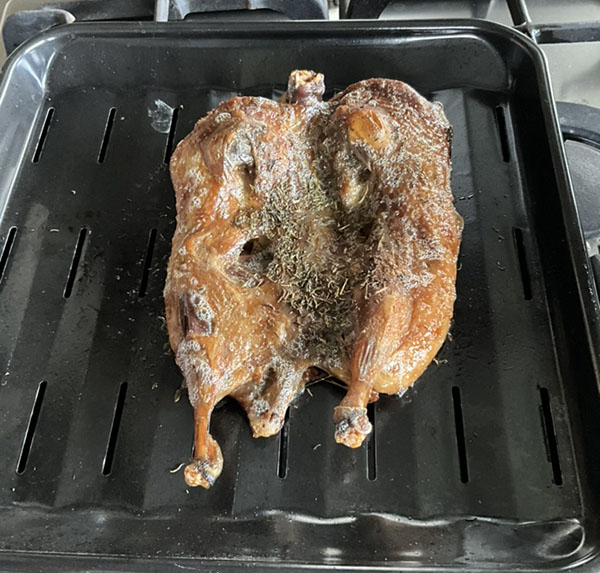
The next step is to broil the bird. The idea here is to crisp up the skin.
Broiled crispy
Once it is broiled, the bird is ready to eat. Some people stop right there and eat it. That did not seem right to me. First, the bird was so tiny, it was not enough for two people. Second, after all that effort, my feeling was that it needed to be given some special treatment.
So I made a titi bird risotto with shredded titi, watercress and feta cheese. It was actually quite good. I used a standard risotto recipe and mixed in the watercress and bird at the end, topping with feta. The titi is a strong flavor and it is called a mutton bird because it supposedly tastes like mutton. Not having ever eaten mutton, I have idea if that comparison is true. I do know that the way I prepared it did cook most of the fishiness out of it. But like any strongly flavored food, it is only for the adventurous.




 A Yank Among the Kiwis