February 4 – Cape Palliser – The southern most tip of the North Island

The Wairapa

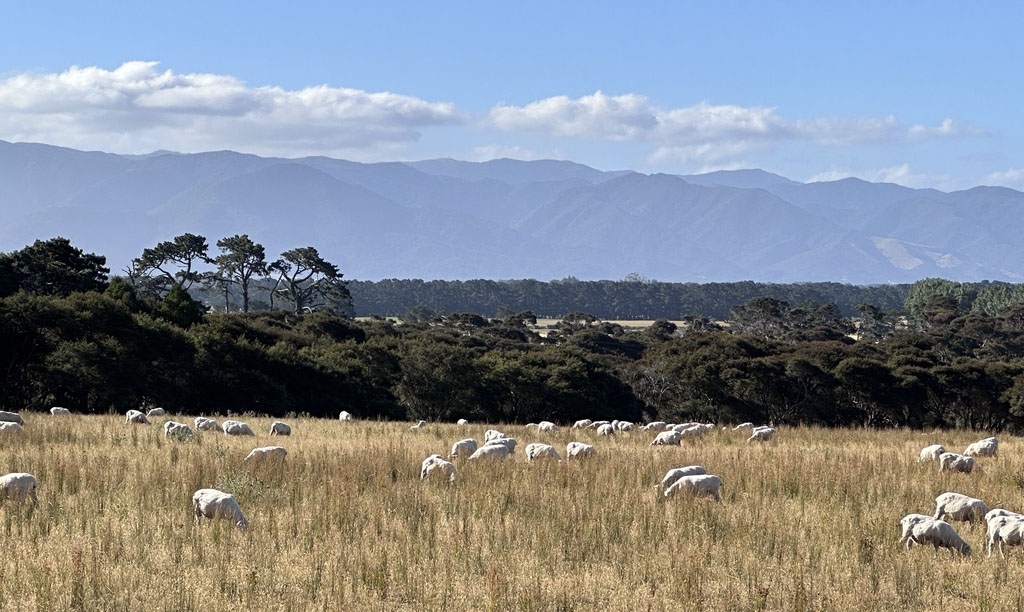
There is a large geographic region area to the east of Wellington known as The Wairarapa.  I am not sure why it is The Wairarapa, but that is what they say.  It is a rural area with lots of vineyards, cattle, and sheep.  With no cities and a sparse population, a dark sky reserve has been established there. There is also an area known as The Pinnacles, with eroded canyons much like the Badlands of South Dakota.  But while the Badlands are eroded into soft rolling hills, with deep channels, the Pinnacles have eroded into large pillars more reminiscent of Bryce Canyon.  We decided to take a joy ride.  

 Unfortunately, a rock slide has rendered the trail to the The Pinnacles impassable.  Although we did get some sense of it just from the eroding hills next to the road.
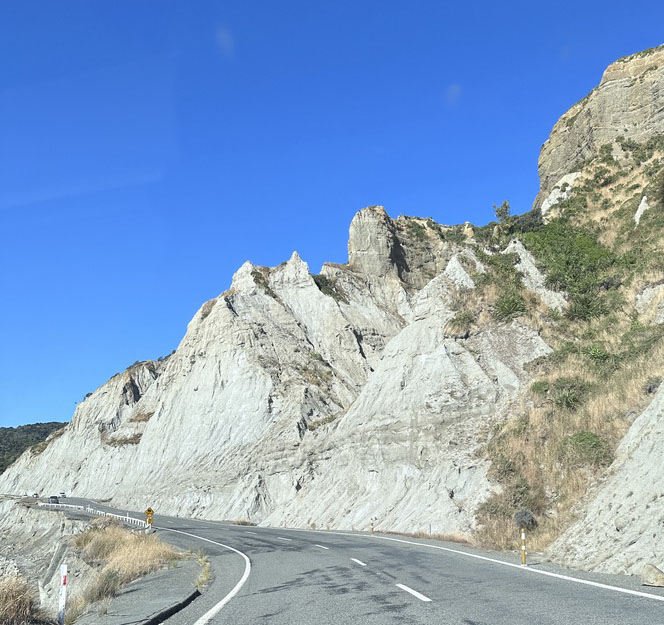
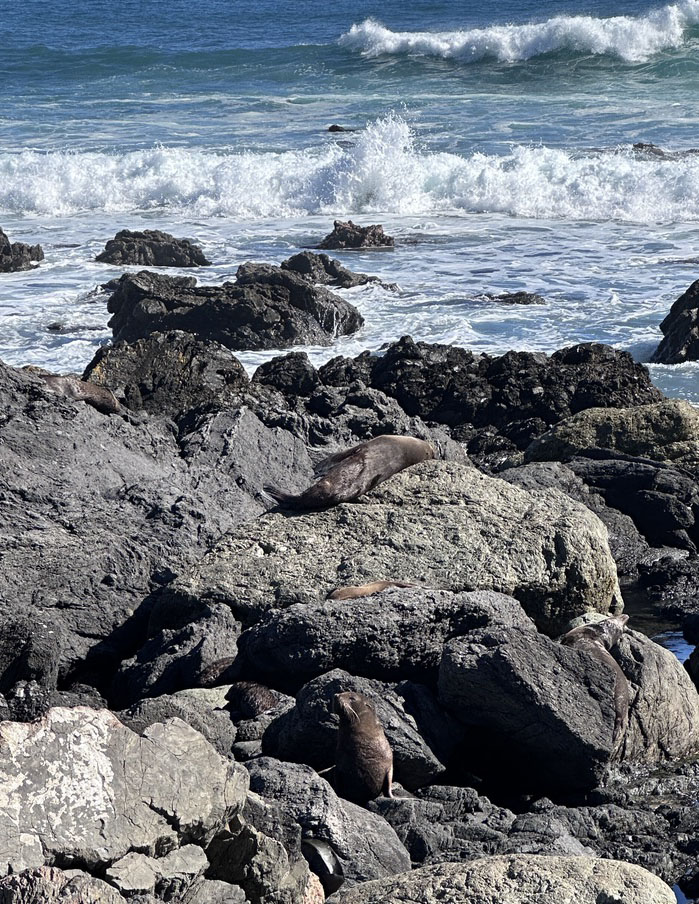
 Since we had driven all that way, we decided to keep going to Cape Palliser on the southern tip of the North Island with a working light house and a lot of fur seals.  This is the southern most point on the North Island.

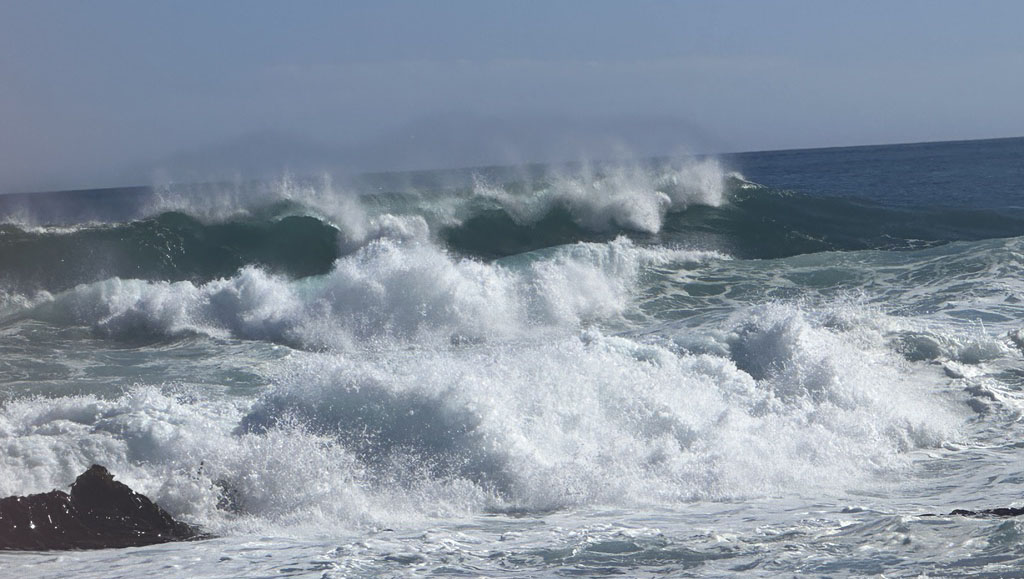
 This coast is directly exposed to the South Pacific, which means spectacular views of large waves and rock formations.  The road was so close to the sea that in some areas, the road had collapsed.  At the Cape, we found clear blue waves rolling along the shore while seals sunned themselves on the rocks. 
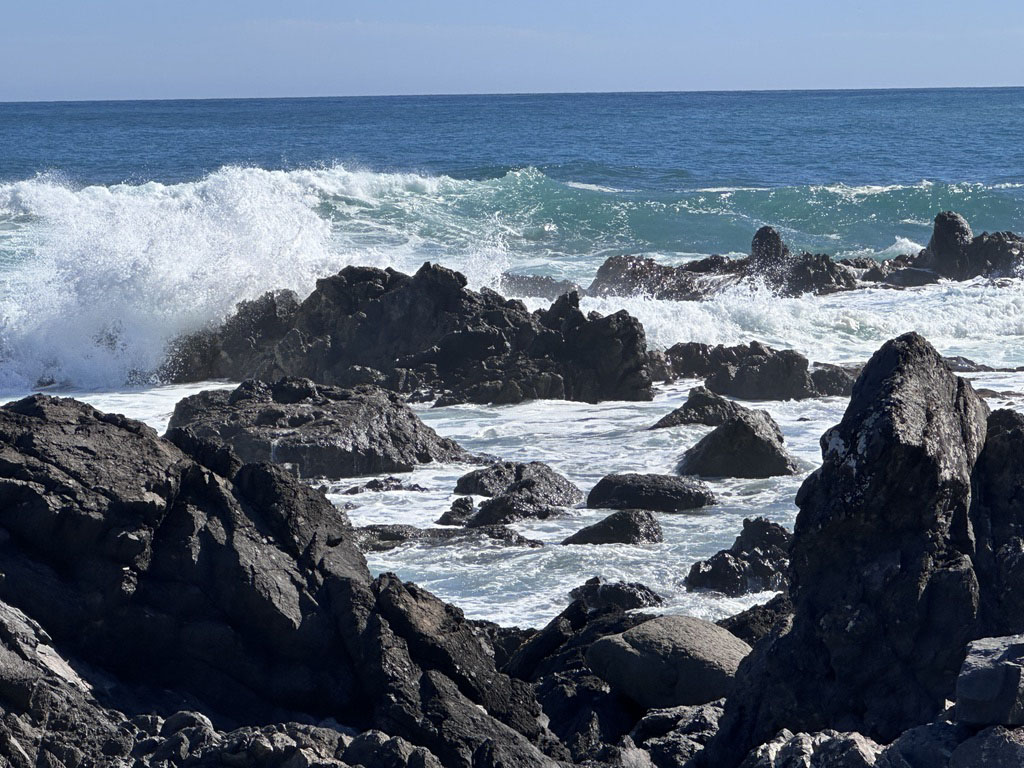
 

there are seven seals in this picture.

Here is a fun fact–because the New Zealand coast is so rough and exposed, there are few harbors or marinas or even boat ramps on the coast. Instead, boat owners use tractors to launch their boats from the beach. Here at Te Horo Beach it is not unusual to see a tractor drive down the road towing a boat and off to the beach they go.

On this trip, we saw an entire boat yard of boats and tractors in a small town on the way to the cape. I assume that because this is a fairly rural country, the choice of a tractor was obvious. In many towns there is a community tractor that anyone can use. Maybe this is done in other places but I have only seen it here and I think it is pretty interesting no matter where it is done.
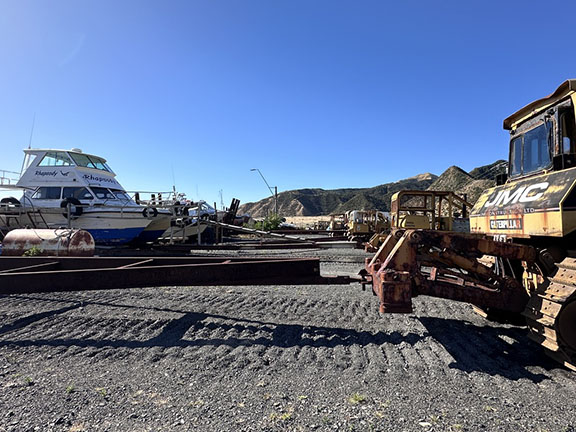
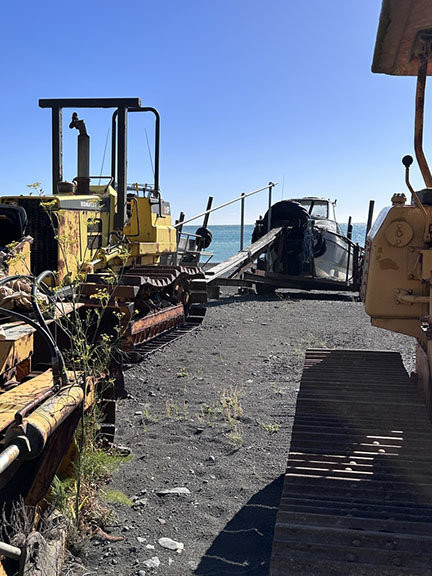
boat yard
Ready to go

Foods Kiwis Love – Beets and Sweet Potatoes Are High on the List

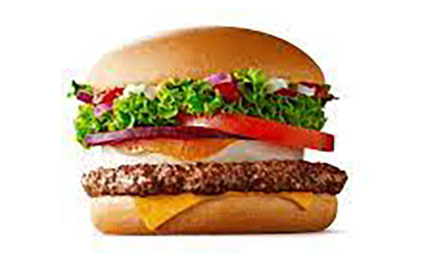
I really, really hate beets. And here I am living in a country that eats beets the way we eat tomatoes in the U.S. Beets are everywhere. They show up in dips, sandwiches, salads, relish, and horrors, ingredients in cakes, brownies and tarts. To prove they are ubiquitous, let me introduce you to the McDonald’s Kiwiburger. It has a beet on it. A beet. Yikes!

They are also quite fond of sweet potatoes, which they call kumara. All winter they are featured in magazine recipes, on restaurant menus, and presented in overflowing bins in the vegetable aisle. I don’t hate sweet potatoes. I just feel better when they are not around.

There are other random foods that always seem to be available such as cilantro, rhubarb, watercress, and white Swiss chard, which they refer to as Silver Beet. (Again with the beets.) I like all of these foods. I just find it odd that they seem to be staples.

I have already done a discourse on sausages. Sausage is their go to summer barbecue meat. Easily, 50% of the meat aisle is sausages.

In the summer, cherries are everywhere. Just regular sweet cherries, nothing exotic. Although I did run across Rainier cherries at a fruit and vegetable market. The owners, a young couple who are very happy when I show up with my wallet, decided to try and sell them. I think it was going badly until I came along and bought half of their inventory. They called them white cherries and I guess that is somewhat accurate. But I explained they were called Rainier cherries and that they are considered premium cherries in the U.S. (They also cost a fortune in the U.S. Here they went for a song because no one knows what they are.)

Plums are also very popular. For the past month or more, roadside signs have appeared offering plums for sale by local farmers. There are several varieties and they are used in yogurt, ice cream, cakes and pies. There are some more exotic fruits like tamarillo and feijoa, which are fruits from South America.. These arrive in the autumn and people just go crazy for them, particularly feijoa, which is also made into yogurts and desserts.

After all that, God bless them, but they still do not understand tomatoes. You can buy them here but they are fairly bland. I have not seen an heirloom tomato anywhere. Their use of them in sauces and salsas tend to reflect the blandness. Here is a good rule–don’t buy their ketchup. Seek out Heinz.