It is winter here and it seemed like a good time for a visit to the spa. I remembered our visit to Rotorua many years ago and thought, well, why not? A seven-hour drive from home, it took us through the center of the North Island which is one of the most active volcanic areas in New Zealand. There would be a lot to see along the way.
Rotorua is the Yellowstone of New Zealand. Here they have geothermal pools, geysers and bubbling mud. The air smells of sulfur. There are many parks and reserves along the way where you can see the colored pools of hot sometimes boiling water. Driving through the hills outside of town, you can see steam rising in the valleys giving the landscape an ethereal quality. Even along the side of the road, steam rises from the drainage ditches.
In town there is a large geothermal park operated by the local tribe with hot bubbling mud, hot springs, and geysers. But having seen it before, we chose to skip that attraction. Rather than looking at the geothermal waters we were going to get in them because there is nothing like relaxing in a natural thermal pools. Our destination was Wai Ariki, a new spa built by the local tribe. As it turned out by coincidence, I booked massages for the same weekend as Matariki. The plan was to fit in Matariki and the spa in two days.
Matariki is the Māori New Year which coincides with reappearance of The Pleides or the Seven Sisters star cluster in the early morning sky. This happens on a cold day in June or July. Matariki is a day for mourning those who passed away in the past year. At dawn, the Māori gather and say the names of those who are deceased. After that ceremony, the rest of the day is spent with family enjoying kai (food). According to the Te Papa Museum,
Māori belief determines that when an individual dies, their spirit leaves their body and undertakes a journey along Te Ara Wairua, the pathway of the spirits. This journey ends at the northernmost point of the North Island at a place called Te Rerenga Wairua (the departing place of the spirits). The dead travel along the rocky ledge towards the ocean where an ancient pōhutukawa tree stands. They then descend the aka (root) of this tree and disappear into the underworld. Below Te Aka, the long dry root of the pōhutakawa which does not quite reach the sea, is Maurianuku, the entrance to the underworld. Pōhutakawa is the whetū (star) that connects Matariki to the deceased and it is the reason why people would cry out the names of the dead and weep when Matariki was seen rising in the early morning.
There are more details to the legends surrounding Matariki.
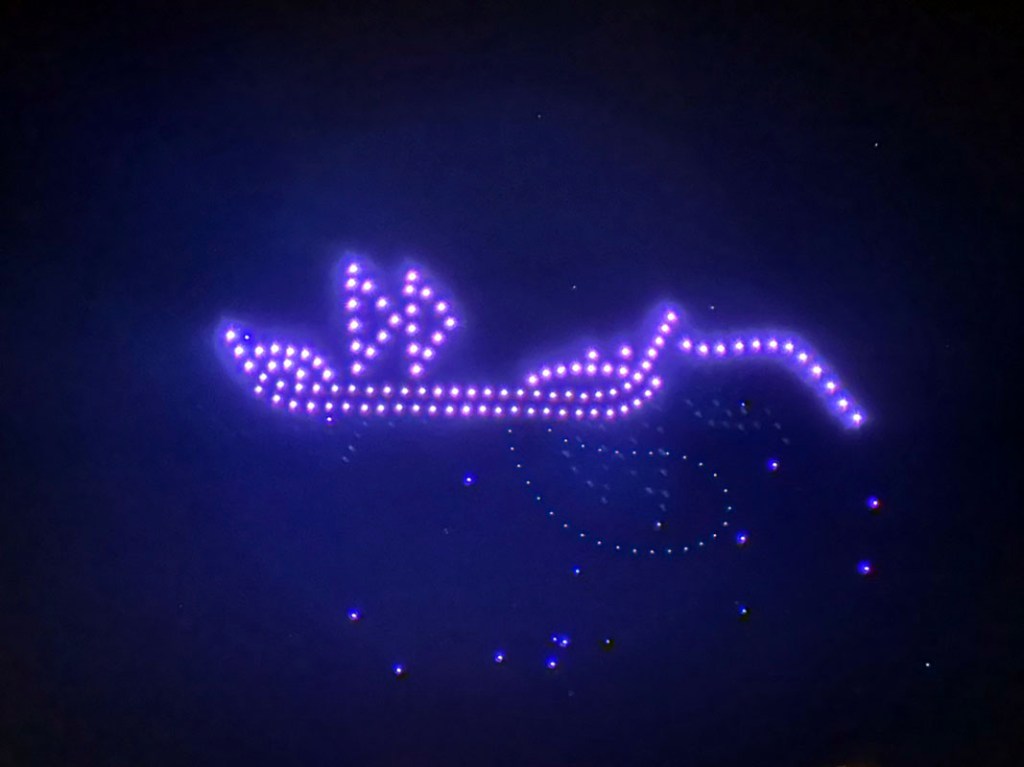
The constellation known as “Te Waka o Rangi” is connected to the setting of Matariki. Known by a variety of names based on regional kōrero (narrative), Te Waka o Rangi is a canoe with Matariki at the front and Tautoru, or Orion’s Belt, at the back. The waka (canoe) is captained by a star named Taramainuku, who casts his net each evening upon the Earth and hauls up the souls of those who have died that day. He carries them along behind his waka for 11 months and then takes them to the underworld when the constellation sets next to the sun in May. The constellation rises again in a month and Taramainuku releases the souls of the dead into the sky to become stars.
https://matariki.twoa.ac.nz/the-setting-of-matariki/. I like the idea of mourning loved ones and then watching them become stars.
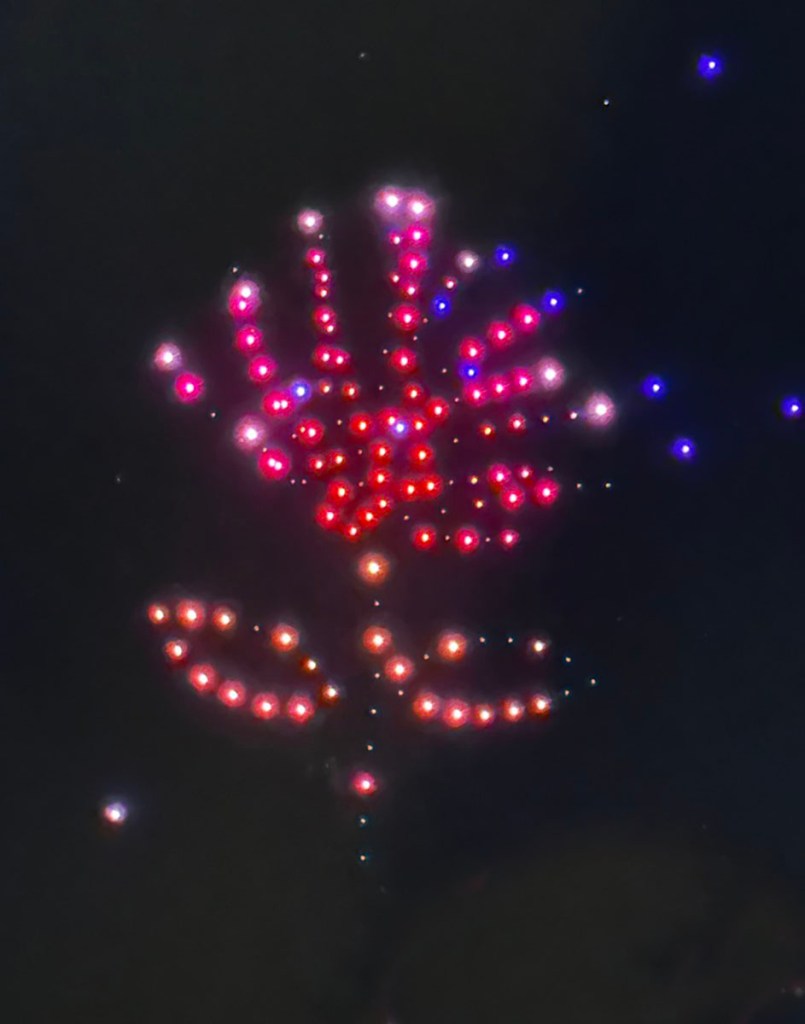
In 2022, New Zealand declared Matariki a national holiday. They are still trying to figure out how to have a celebration for the masses. As I was looking at Matariki events in Rotorua, I saw that there was going to be a drone light show over Lake Rotorua. A drone light show was new to us and it was fantastic!
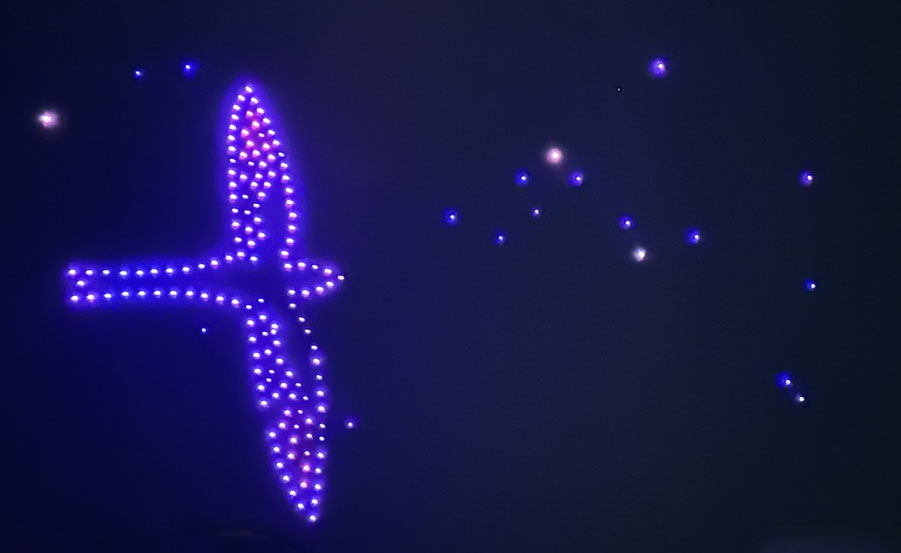
One hundred and sixty drones quietly lifted off from the pier and buzzed into position to tell the story of Matariki by forming different figures and objects. My favorite was the formation of Taramainuku’s boat and the release of the souls from the net. Here it is as depicted by the drones:
Here is a video someone posted on tik tok. There were a lot of different characters like a large bird and flowers. Check out the video below:
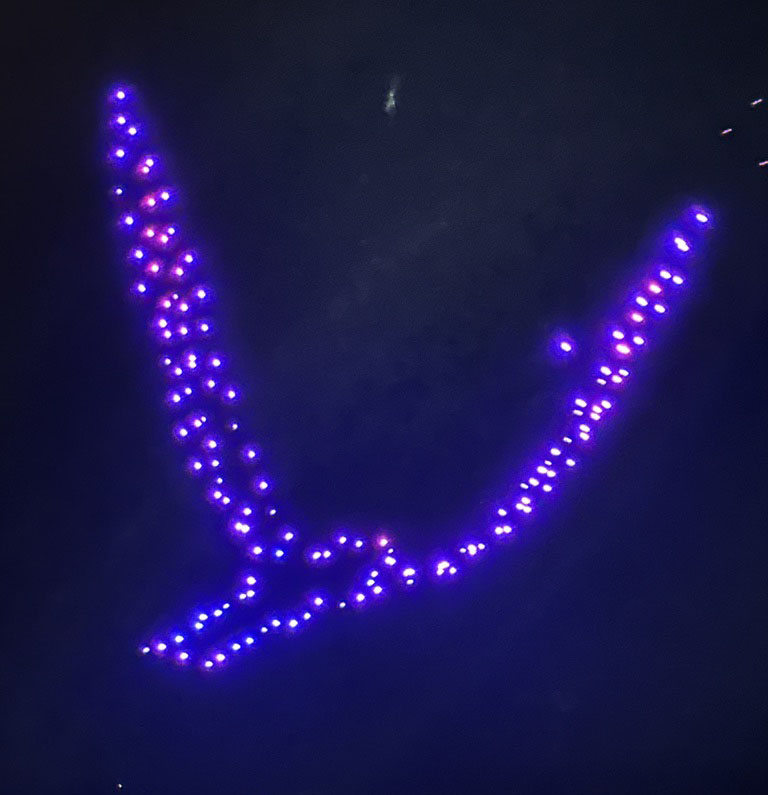
.
After we oohed and aahed over the drones, we sought out dinner. When we traveled to New Zealand 20 years ago, Rotorua was a sleepy, quaint tourist spot but since then it has developed beyond recognition. We were pointed in the direction of a restaurant row where we found Italian food, Mexican food, Irish bars, Thai food, and steak houses. It all seemed aimed at American tourists. That is reasonable given that Americans are likely the predominant visitors. On the one hand, it is nice to find familiar food. On the other hand, it is hard to pull it off. We tried Italian and it was not bad. Not great, but pretty good. (Finding great Italian in NZ is a challenge.) All in all, a pretty good Matariki.
 A Yank Among the Kiwis