
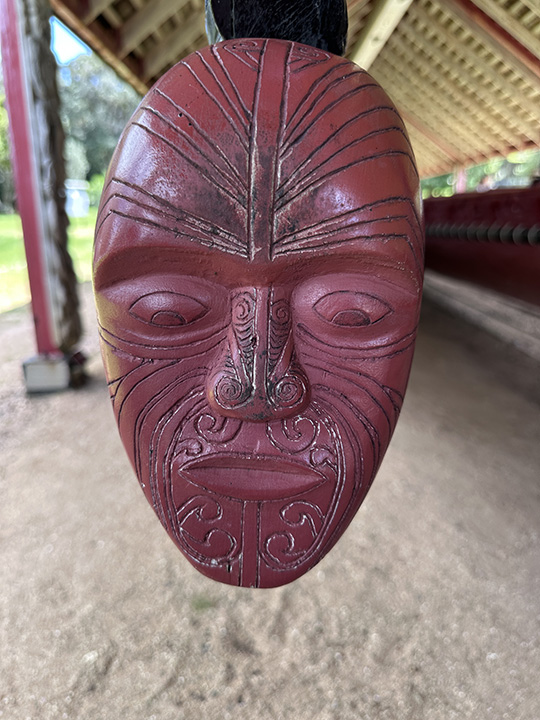
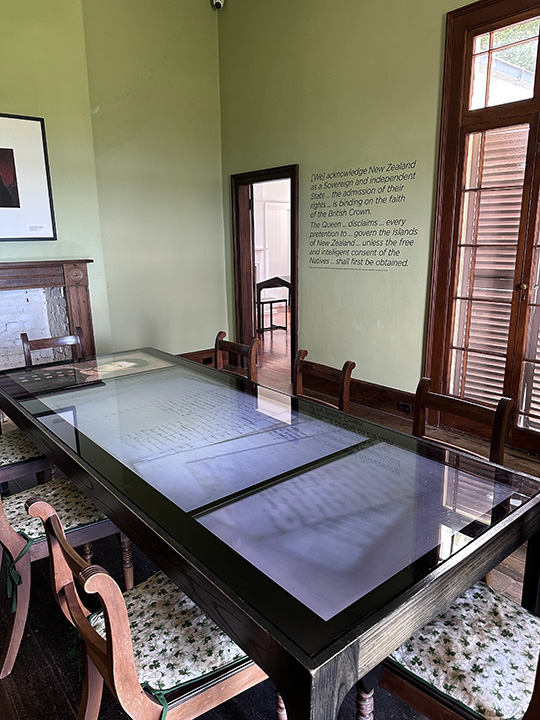
Bay of Islands is also home to the Waitangi Treaty Grounds, the place where the Treaty of Waitangi was originally accepted and signed by local tribes in 1840. The treaty is the foundational document of New Zealand because it sets out the rights of the Maori and the British in occupying and governing the islands. The agreement was necessary because the Maori were being harassed by the French and by sailors who brought trouble to the island. In addition, British settlers were coming. Trouble was all around and the Maori felt the need for protection. Some were convinced the British would keep the French out and they would use the white man’s laws to keep the Europeans coming to the islands under control. They were also convinced to sign a document that did not exactly state those terms.
The meaning of the Treaty, particularly the division and preservation of rights and powers, is still debated. The issue is that the treaty was written in English and translated into Maori. The meanings of several words differ so they don’t say the same thing. The Maori believed they would be left to govern themselves and that their interest in their lands would be preserved. The British version says the Maori essentially ceded sovereignty over the islands to the British. Disputes have raged ever since.
Interestingly, before that treaty, a missionary helped the tribes draft a Declaration of Independence, which is considered the Maori declaration of sovereignty over the islands. As explained on the website:
“By 1835 a growing desire for international recognition of New Zealand (and its governance) led to a meeting of chiefs at Waitangi. Concerned about the intentions of the growing number of Europeans, the chiefs put their signatures to a document which declared New Zealand a ‘whenua rangatira’, an independent country. He Whakaputanga o te Rangatiratanga o Niu Tireni (Declaration of Independence of New Zealand) was acknowledged and supported by the British Government and continued to make its way around New Zealand gathering signatures until 1839.“
The Maori tribes who created this declaration consider it to be the foundational document that undergirds their sovereignty and land rights under the Treaty. In other words, the agreements and deal making regarding land and governance as set out in the Treaty would be meaningless unless the Maori already possessed the rights in land and governance as asserted in the declaration. while true you can’t deal what your do not have, I think it is fair to say that to some extent the Treaty has overpowered this document.
In visiting the Treaty grounds museum, it appeared that the Maori had a strong voice in the presentation of the history and the facts, and it was clearly intended to assert the Maori point of view in terms of the impact of colonialism on the people and their culture. But it still seemed well balanced. No one was demonized outright. You were left to come to your own conclusions. (I did the demonizing in my head.)
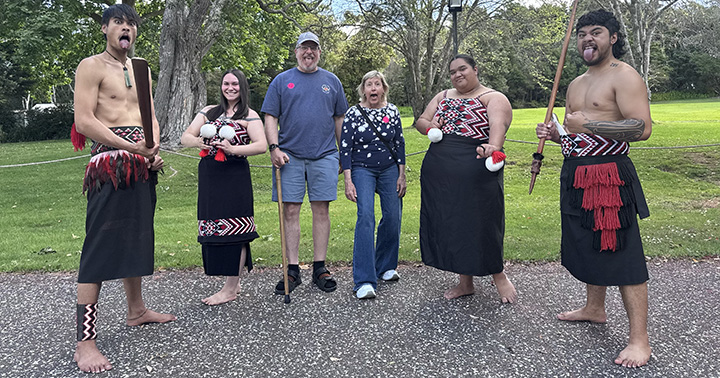
We took a historic tour and ended with a cultural performance by some young Maori. Here we are after the show practicing what we learned. I asked if women were permitted to stick their tongue out. The answers were inconclusive. Some tribes are okay with it, some not. I went with it.
Here are some more pics:
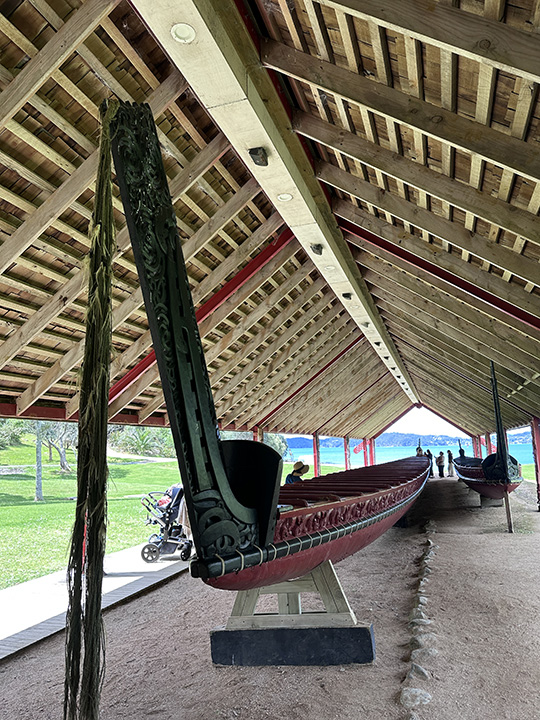
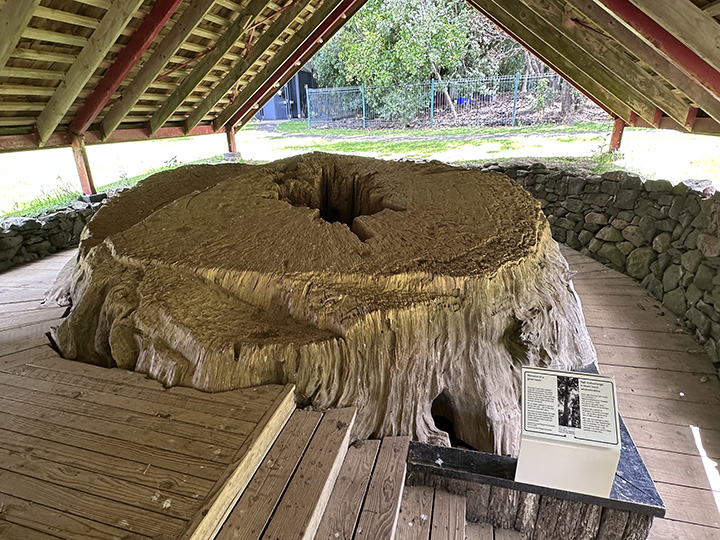
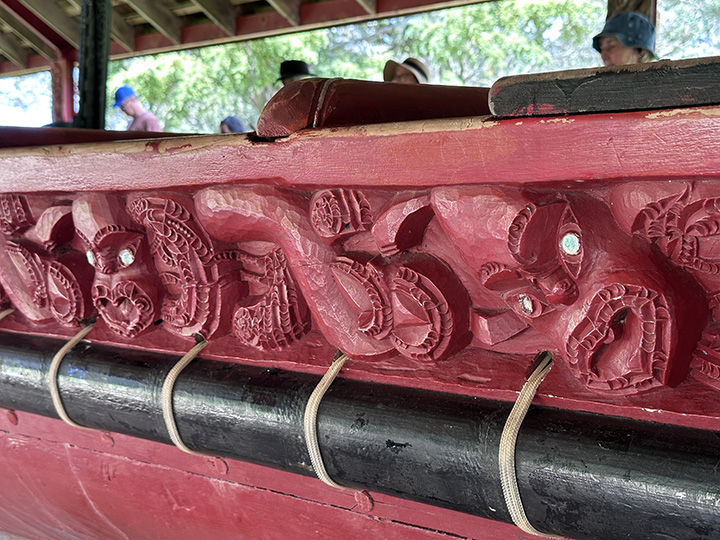
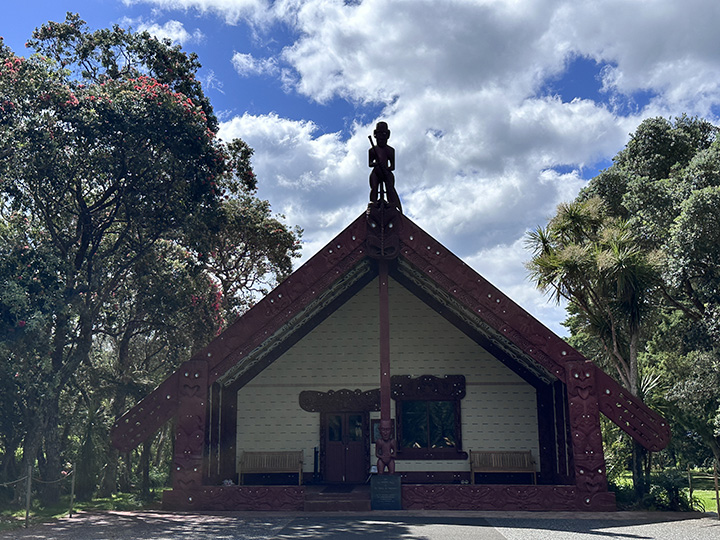
All in all, it was a good trip. We agreed that for us, it is not the most beautiful place in New Zealand. It was nice, but pretty touristy, and it just did not speak to us the way Kaikoura did.
 A Yank Among the Kiwis