The concert was on December 30 and we decided that if we were going, we might as well make a weekend of it and stay for the New Year’s Eve celebrations. That was a mistake. While we had a fine dinner at the hotel–roast lamb with delicious fixings–the planned evening of entertainment was a bust.
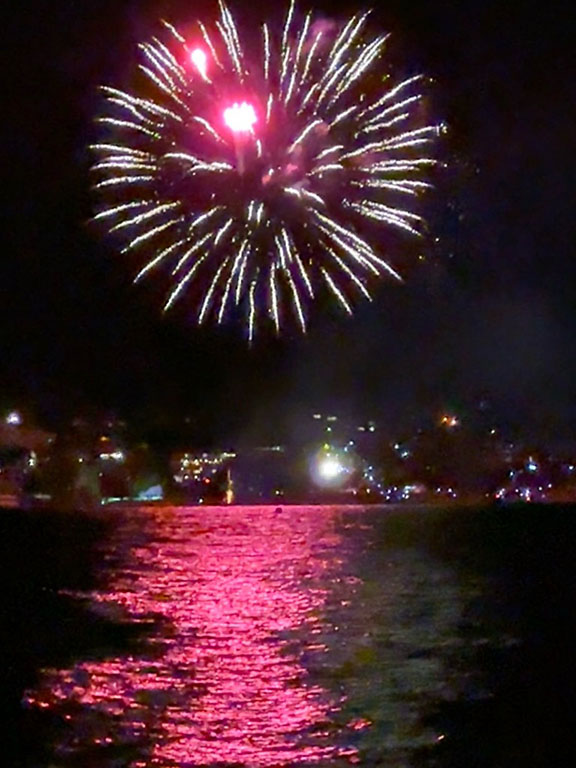
As I have mentioned, it is summer here and all of the kids are out of school. Apparently, they all headed to Wanaka. It was like Ocean City, with teenagers and college kids roaming the down town streets, girls giggling and screaming, and boys emitting massive amounts of testosterone. It was just another round of kids partying to excess. We got out of there and went back to the hotel to watch the fireworks from lakeside. It was a nice display.
On January 1, 2024, we said goodbye to Wanaka. I missed my cats and needed to be home.
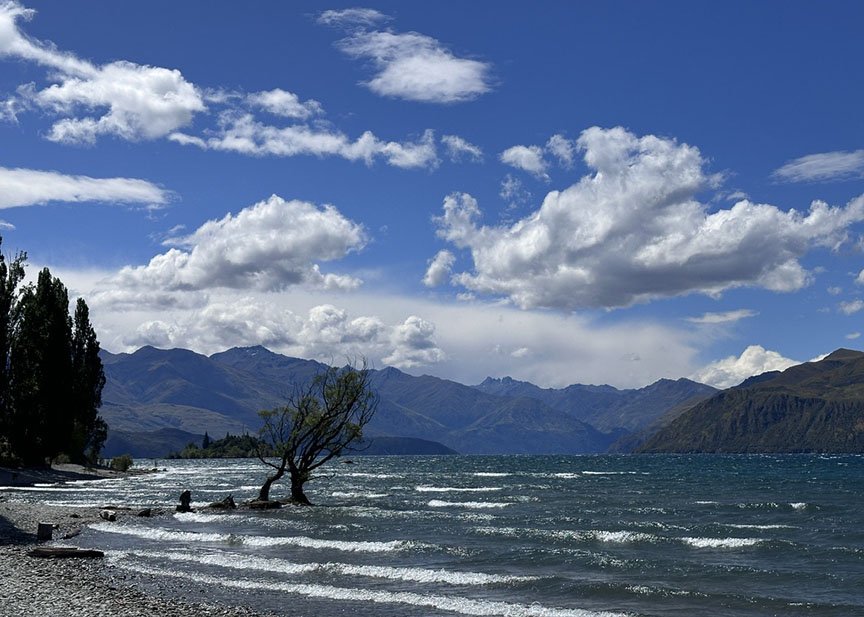
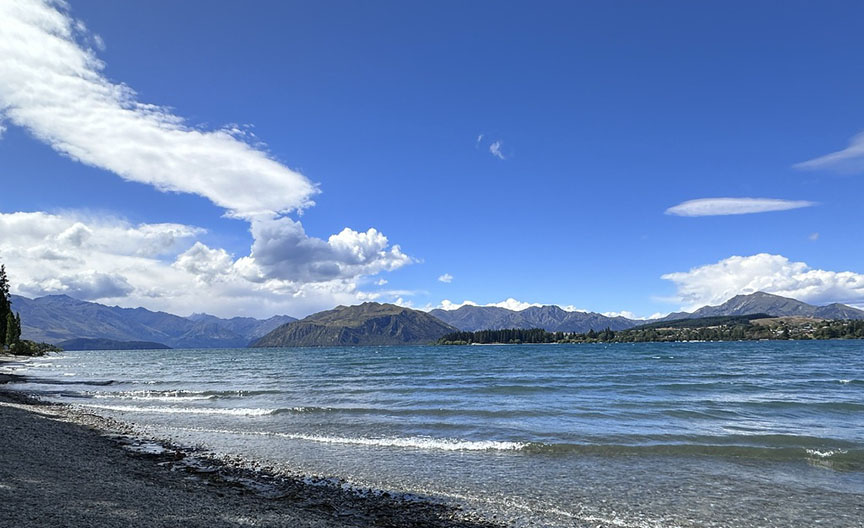
We love Fat Freddy’s Drop, a New Zealand band. They never tour the U.S. and we went to great lengths to see them live in Europe. (go to https://marshaschmidt.com/2022/12/06/july-9-19-europe-fat-freddy/ to read the story). We assumed that if we were living in New Zealand we would have more opportunities to see them. But that has not been the case so far. So when we received an announcement that they would be playing the Rhythm & Alps Festival on the South Island, we decided, well why not? This music festival, a three-day extravaganza of music, camping and partying takes place in a grazing field outside of Wanaka, a picturesque resort town bordering Lake Wanaka in the Southern Alps. Wanaka is known for skiing in winter and summers on the lake.
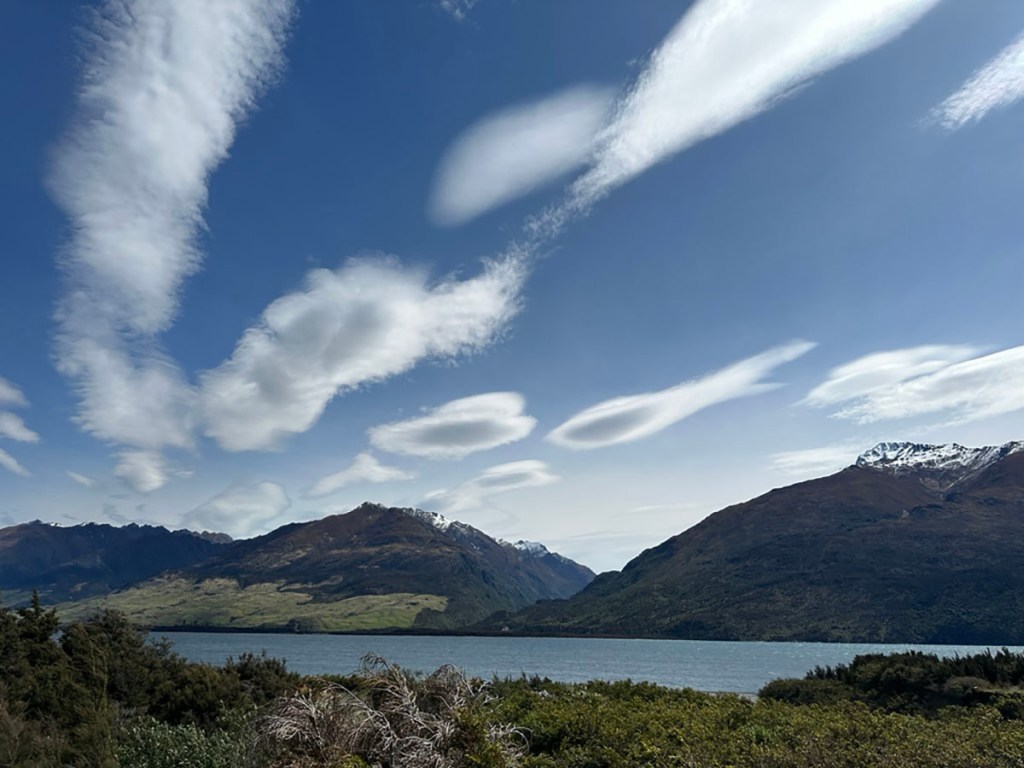
Lake Wanaka – yeah, it is kind of beautiful
The music festival was okay. There were several stages, the main stage, a DJ stage and others dedicated to smaller acts. Rather than sitting in the field all day, we bought seats in a tent near the main stage so Matt would have a place to sit, and we would be out of the brutal Southern sun. FFD was the headliner, so we had to wait for five bands to play before they came on. That was painful. We did discover one band we really liked. But the other four? Yikes! One was a New Zealand woman who apparently has hit it big in Nashville. No clue who she is but people seemed excited.
One of the bands, My Baby, was really good so I walked down into the crowd toward the stage to get a closer look and feel.
My Baby – awesome power trio
I stopped and focused on the band. I was swaying and clapping as she sang a blues song when I noticed out of the corner of my eye a few yards in front of me a young man, maybe in his early 20’s, facing me and dancing with his beer and making gestures like, “great band, huh?” I realized that he was trying to engage with me. I was not interested in engaging with him and his beer. I stepped out of his view. He was not deterred. He stepped into my field of view again gesturing. I stepped farther to the side. Then his girlfriend stood next to me and started dancing and smiling at me as if I was dancing with her. I most assuredly was not. I had the normal East Coast reaction to someone getting in my space. I was ticked off and ready to snap, “I’m trying to watch here!” But I refrained. As I did with him, I stepped away from her, but unable to take a hint, she followed. I started to wonder if they thought “hey, look at the grandma getting down at the festival.” As soon as I thought it, her boyfriend starting recording with his phone. Yes, he was going to record his girlfriend dancing with the old lady at the festival. Generation to generation we can all enjoy peace and love and music and all that crap. I ignored both of them as best I could. To say I was irritated is not saying enough. I finally had to walk away unable to enjoy the moment with My Baby. I am sure a video of me ignoring this girl is floating around somewhere on social media.
And that my friends is the problem with festivals. The music is secondary to socializing and drinking. If you are there to actually hear the music, you have a problem because your experience is going to be impacted by everyone who is only there for the party. And yes, I know I used to be one of those young folks there for the party. But after decades of festivals, I find it tedious now. Been there and done that. I loved seeing Fat Freddy’s Drop, but I think I am going to skip the festival circuit from now on. Matt’s prediction is that this will hold until they play another festival. It will be tedious, but I will go.
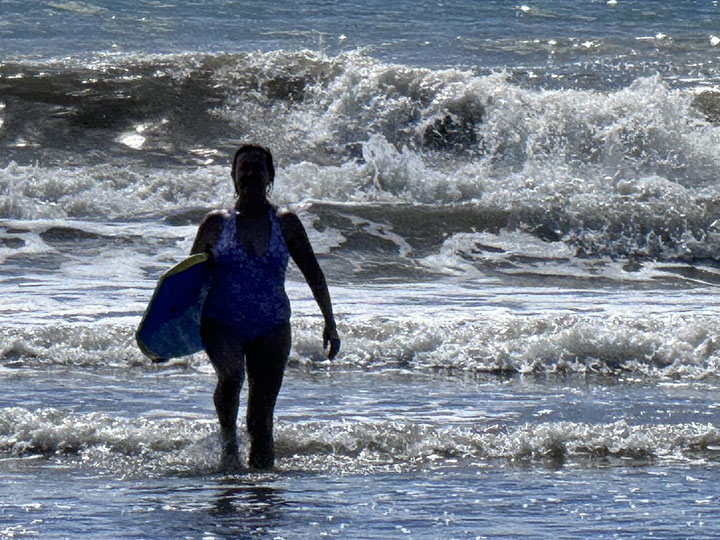
It is finally, finally truly summer here. The skies are clear, the weather fine. It is like the Pennsylvania summers from my youth when a hot day was 85 degrees and the nights were cool enough for a sweatshirt. Great day for boogie boarding!
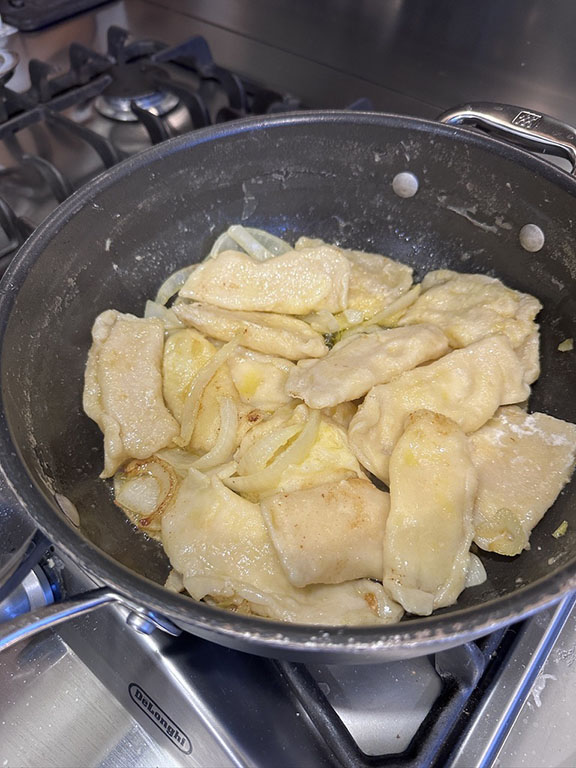
On Christmas, we would normally stay in our pajamas and watch movies. That works for winter but for summer, we could not sustain it. We went to the beach even though it was an overcast day and I made pierogis for dinner. I have not made them in years. They are not summer food, but I wanted them and they are not really something you can find in the grocery store here.
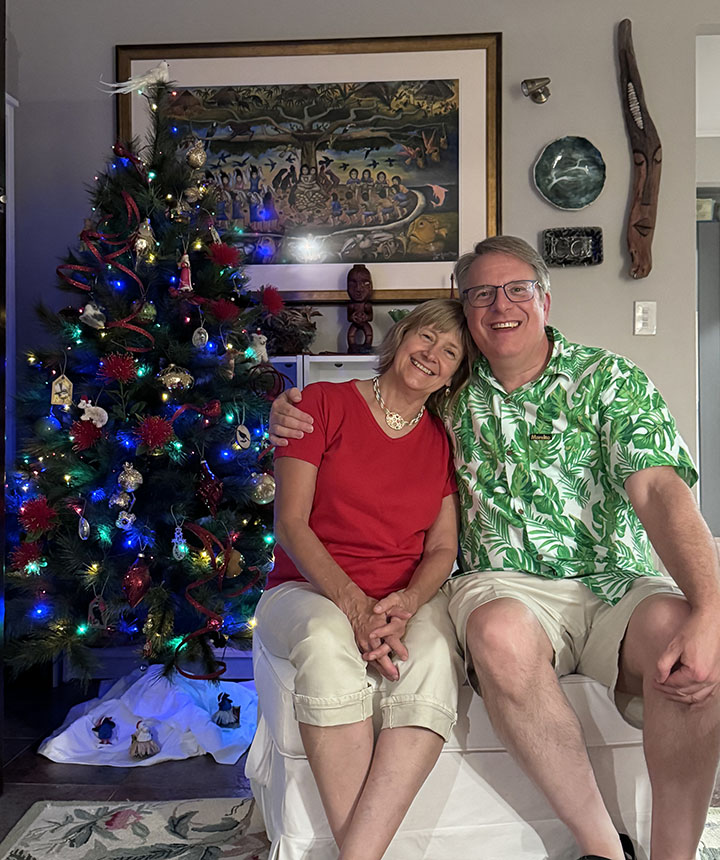
Tree decorated with pohutukawa flowers. Matt in his Christmas shirt.
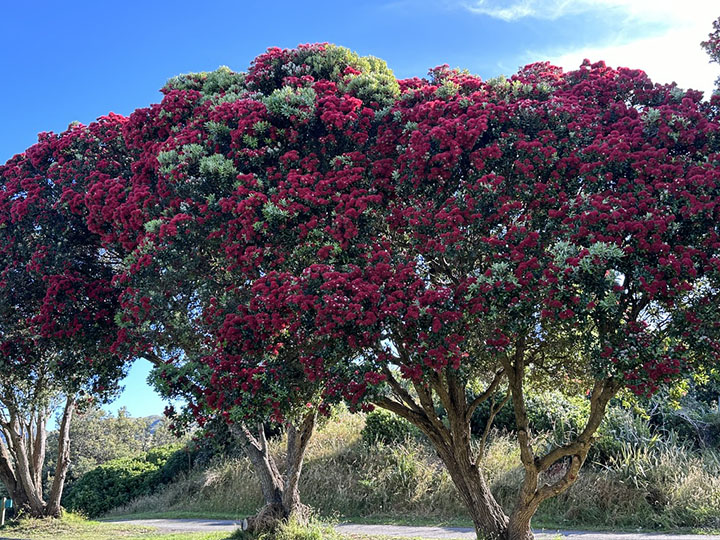
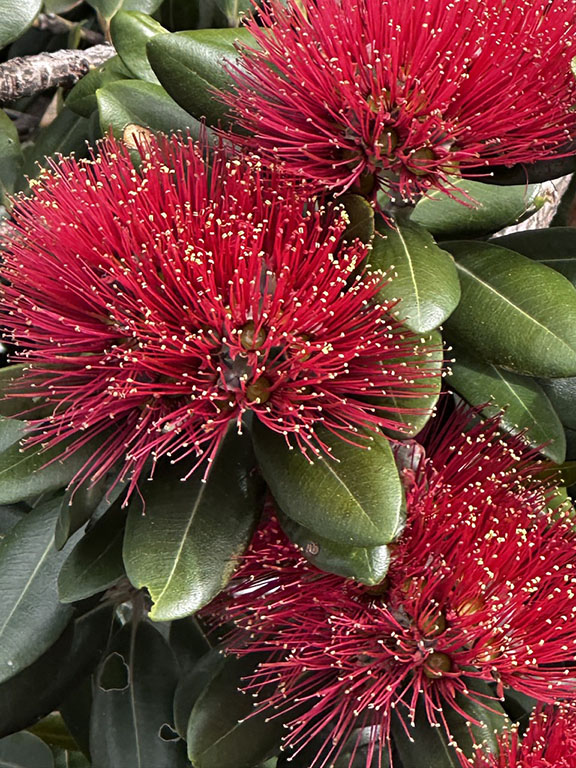
I kept reading about a tree known as the New Zealand Christmas tree. The Pohutukawa blooms with deep red flowers beginning in December. The flowers shine with golden pollen laden tips. These trees are native and protected. If you cut one down, you will be facing a heavy fine. They are stunning in person.
These trees are native and protected. If you cut one down, you will be facing a heavy fine.
I thought for sure that I would be able to purchase an artificial Pohutukawa tree as a Christmas decoration. I was wrong. So I bought some artificial Pohutukawa blooms and used them to decorate my artificial pine tree. It looked pretty cool.
It is summer here in the Land of the Long Cloud. That means kids are out of school, and it is vacation time. And, oh yes, it is also Christmas and New Year’s. Events that the Northern hemisphere spreads out over the year are compressed into two months and, during the two weeks of Christmas, the country shuts down. Take a vacation folks, it is mandatory.
The school year ends in December and starts up again in February. Because of this overlap with the holidays, the Kiwis had to pick—Christmas or vacation. Vacation won out. Families spend time focused on summer vacation with the beach, barbecuing and all of the fun that comes with summer—swimming, biking, and generally goofing off.
The result is that Christmas seems almost like an afterthought. In the U.S. we go all out—lights, trees, blow up snowmen and lighted deer. Enter into the Kiwi equivalent of Home Depot here and you will not find a section full of Christmas decorations. There are Christmas lights for sale, sure, but they are limited to a few shelves. There needs to be room for barbecue grills, outdoor furniture, fire pits and patio umbrellas.
We did not ship our Christmas stuff, the artificial tree and bulbs and assorted trimmings and decorations based on the assumption we could buy it here. We were stunned to learn that finding these baubles was difficult. In the U.S. every store has a Christmas section with tree decorations, wrapping paper, cards and the like. Christmas tree sellers abound. Not here. Here, most department stores had little or no Christmas goods for purchase. We thought we would at least get a fake tree. That was not easy. I had to order it over the internet. I think I saw one place where real Christmas trees were for sale. Nor did we see houses lit up like the Las Vegas Strip. In fact, you are more likely to see outdoor trampolines than Christmas decoartions. (These people are really into trampolines.)
In the U.S, you go into any hotel, restaurant or store and Christmas is everywhere. Here, most shops and commercial establishments were not decorated at all. During the holidays we went on a trip. The hotel we stayed at had one forlorn looking fake tree stuffed in a corner with no decorations on it.
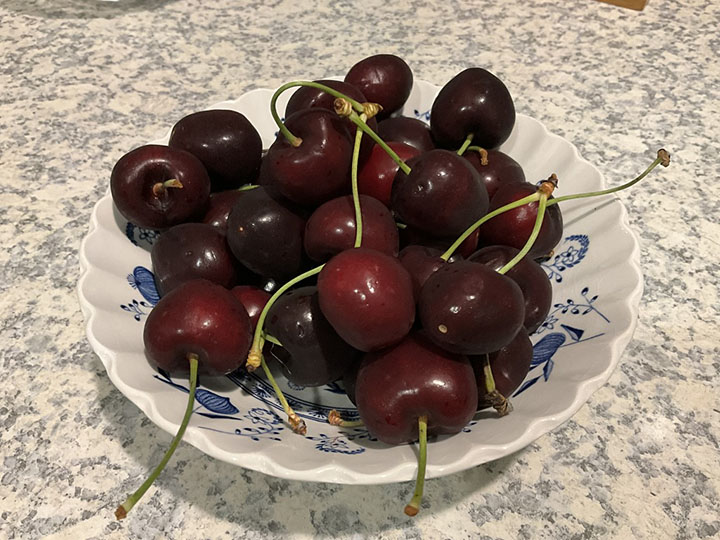
When it comes to food, the Northern Hemisphere is experiencing winter. Food is warm and comforting. Here, the Christmas food is cherries and strawberries. More than one person told me their fondest memories are of cherries on Christmas morning. We have indulged in that tradition in spades. We have been eating cherries and strawberries for the past two months. The Christmas dessert is pavlova with a fresh fruit mix of strawberries, blueberries and cherries. I am not into pavlova. We go with a chocolate dip. And barbecue. Did I mention barbecue?
This is not to say they don’t celebrate Christmas. They do to some extent. It is just that all of the commercialism, all of the excess is not here. Barbecues and the beach are far more important at this time of year and their Christmas memories are wrapped up in summer and vacations. The country helps when most employers require their employees to take off Christmas and New Year’s week, meaning the country more or less shuts down. Matt was required to take time off. We could get nothing done with most companies during the two week holiday. Even the government shuts down.
Here in Te Horo Beach, all of the vacationers showed up for the two weeks. The beach, normally populated by about six people, was a lot busier, with cars and trucks, and folks fishing and swimming. I was kind of annoyed that people were on my beach, but most left after the holidays.
I guess you could say that one way to take the commercialism out of Christmas is to be presented with something else more fun and interesting. If you had a choice between Christmas trees and lights and barbecuing and vacation, which would you choose? To be sure, Christmas lights and decorations help when the weather is cold and dismal. And it is nice to spread out the events of a year rather than forcing everything into a two-month period. Still the lack of excess was refreshing to say the least. And the Kiwis did not seem to mind at all.
The signs announced “Whitebait,” at restaurants and “whitebait season” at sporting goods stores. The excitement was obvious. It left me perplexed. What is whitebait and what am I missing?
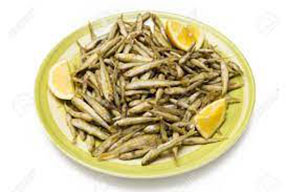
After some investigation, I learned that Whitebait is not a type of fish per se. It is any fry fish (juvenile) that happens to be swimming by. For the French and Italians, that may mean tiny silver fish like anchovy or sardines. Whitebait for the British is sprats, a small silver fish. So, for Europe, think tiny silver fish that are fried and then eaten whole as an appetizer, and washed down with wine or beer like so:
In New Zealand, whitebait is not the small silvery fish. Here whitebait is the juvenile of any fish in the Galaxiidae family. The juveniles, (they look like larvae to me) are translucent and kind of icky. But fishing for them is a New Zealand cultural tradition and they are considered a delicacy.
Walking on the beach one day, we ran across some folks fishing for whitebait. This is what they were catching:
All I could focus on was those eyes. Ugh.
Yikes! That did not look appetizing and worse, how much work does it take to catch a meal? Turns out, it can take a lot of work. Whitebait are returning from the sea in large schools. They are caught using a large net. Some people take large pole nets and drag them through the surf to sieve up the fish. Other use box nets, shaped something like a soccer net but much smaller, situated across a stream or in an area with a current. The juveniles are swept into the net as they head upstream. I have provided a few links if you want to get a sense of how this works.
The season lasts two months, and a lot of people are ecstatic when it arrives. Obviously, there has to be a trick to eating them since they are so small. Usually, they are turned it into whitebait fritters. Some people have a tendency to swoon when they talk about these fritters. Other Kiwis do not understand the fuss.Matt and I will eat just about anything so we had to try whitebait fritters to make up our own minds—swoon or meh?
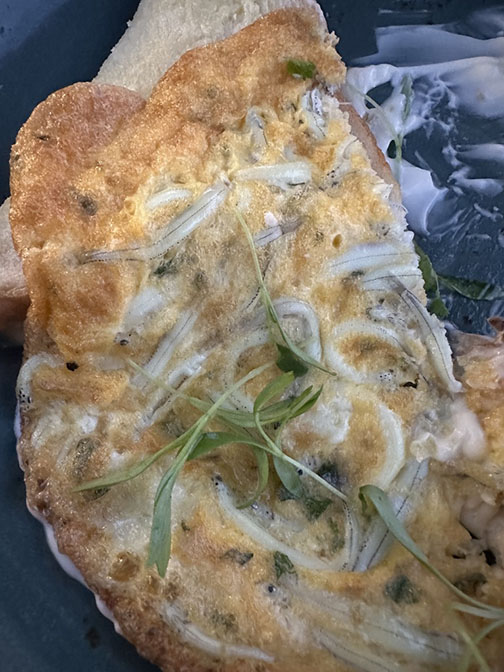
Here is what we were served.
See the little fishies?
Honestly, it was kind of tasteless. There was some vague fish flavor but mostly I tasted egg batter from the fritter, which really was more like an omelet. The good news is that it did not feel like I was eating worms. The cooking soften them to the point that they just melted. Even so, I don’t think we will be joining the mad rush for whitebait fritters when the next season comes.
I previously wrote about the prohibition on buying and selling trout in New Zealand. The only way for me to have trout for dinner is to catch it myself. So, for my birthday, Matt hired a fishing guide to take us out in pursuit of the cagey brown trout.
I would not say I am an avid fisherman. My idea of fishing is to hire a guide who provides the equipment and takes me to a place to fish. He/she hands me a rod ready to go, points and says fish there. My hope was that by hiring a guide, we could at least get the feel of fishing for trout. And we made clear to the guide that fly fishing was not in the cards. I have to catch a trout by using a lure such as a spinner, or nothing.
Because he was not local, we agreed to meet halfway, which put us in Upper Hutt, to the north and east of Wellington. His idea was for us to fish the Hutt River. Sounded fine to me. What do I know? He’s the guide. He brought both rod and reel and fly-fishing gear. He wanted me to at least try fly-fishing. But we started with a regular fishing rod.
The guide, James, reminded me how to use a fishing rod. Seriously, I have not done this for years. Paranoid after the sand fly attack, I put on fingerless gloves to prevent bites on my hands. On my first cast, my gloves were so slippery, the rod flew out of my hands and into the river. A lot of laughter but no panic. I waded in and retrieved it. Then I removed the gloves.
The guide kept pointing at shadows he said were trout. He urged me to cast near the shadow. God knows I tried. He even tried. No luck. So we moved on to the Lower Hutt, closer to Wellington. Even though we were in a suburb, the river was crystal clear and once again, we could see the fish. But they absolutely refused to take us up on any of our bait.
At this point, frustrated at our inability to catch a fish, the guide pulled out his fly-fishing rod. He showed me how to cast. I wasn’t very good at it but worse, I wasn’t interested in it. If you can think of a hard way to catch a fish, fly fishing would be it. Fly fishing is a belief that you can outsmart a trout by sneaking up on it. It struck me that this is a guy thing. Only a man could come up with such an inefficient way to catch a fish. There is a technique to learn, flies to tie and waters to wade. It’s a whole world devoted to trying to catch a fish by pretending to be a fly on the water. There has got to be an easier way! I am in this for a meal, not a trophy. I will stick to spinners thanks.
Regardless of the type of gear, the entire day was a bust. The fish simply were not biting. No trout for my birthday dinner.
But we were not deterred. Having had a refresher on how to fish, (at least I needed it), we agreed that we would outfit ourselves with some gear and see if we could successfully fish for trout in the local rivers. The guy selling us the equipment thought we were kind of kooky—two Americans telling him we had no clue what we needed so just tell us and we will buy it. No, he did not take advantage of us. In fact, he did not sell us everything we needed as we learned later on.
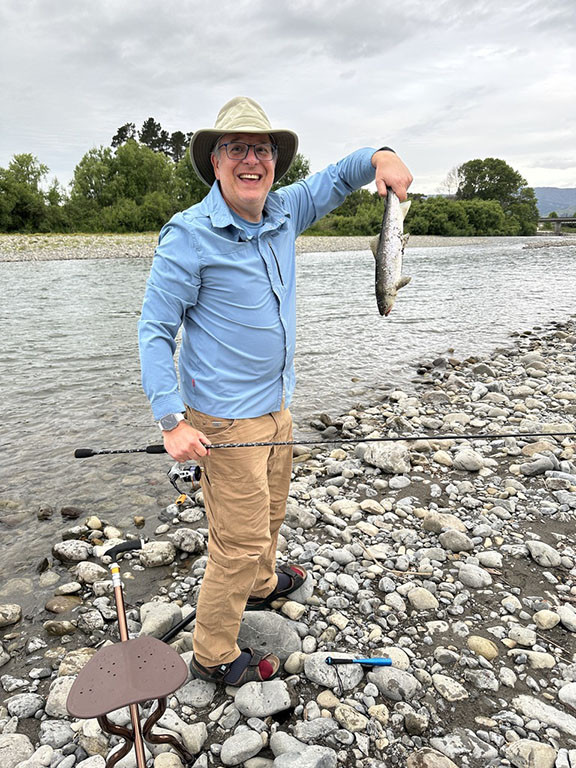
A few weeks later, we headed to the Otaki River, which is very close to us. We had been there for about an hour with nothing to show for it when I gave up. I could not find a fish. Matt had lost a lure and, not wanting to spend the time to tie on another hook, he asked to borrow my rod. After a few casts, he got a bite and reeled it in. Tada! Lo and behold, Matt caught a rainbow trout in the Otaki River.
That is one happy guy.
The salesman at the outdoor store forgot to sell us a fishing net, so the poor thing was flopping around on the ground. We did buy an “immobilizer” meaning a club to hit the fish on the head and stun it. But this fish simply did not want to be stunned. It took a few blows. I felt bad. I did not like hitting it. But a person has to do what she has to do to get a meal.
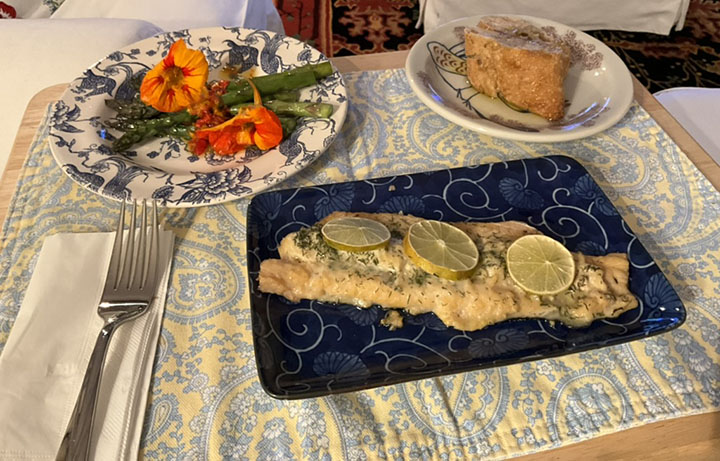
I cleaned it and cooked it up. Delicious! Finally, I had trout in New Zealand. I should add, along the way I foraged some nasturtium to garnish the asparagus, so I guess we can call this living off the land and water.
Trout with lime a dill and roasted asparagus with nasturtium sauce and fresh flowers garnish
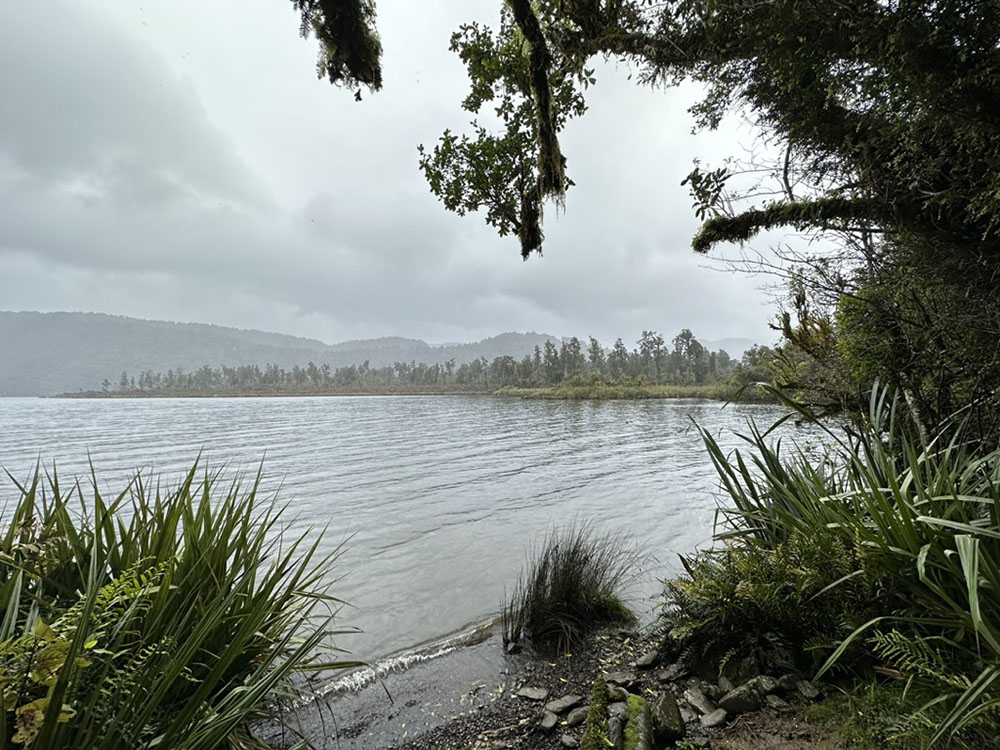
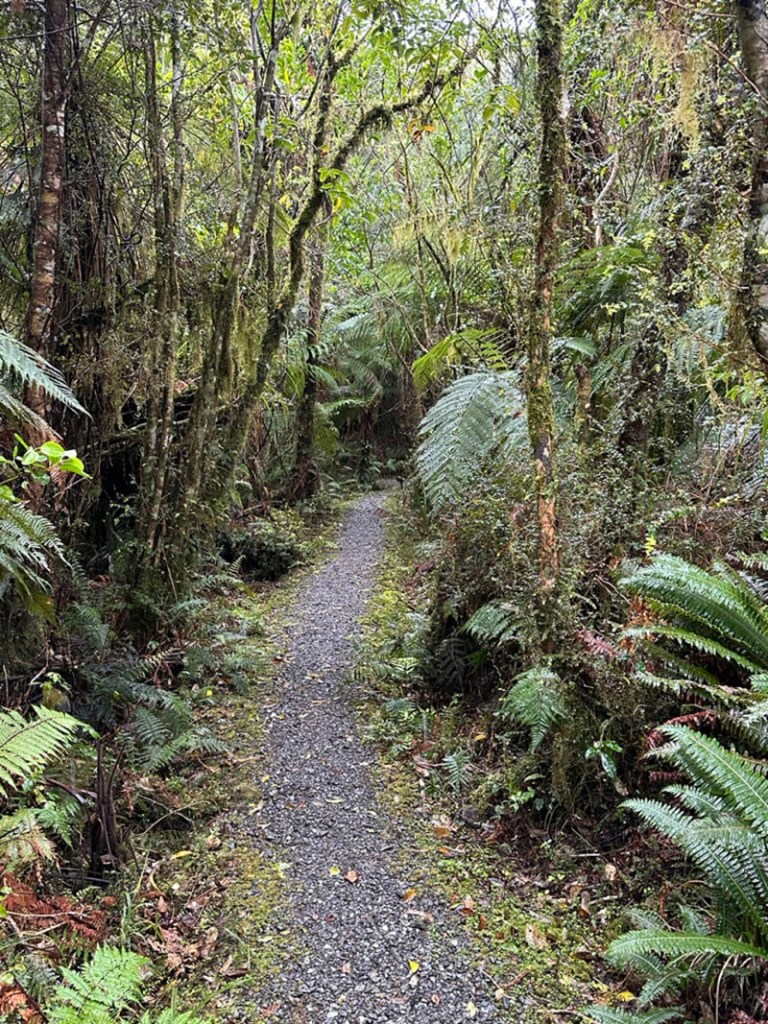
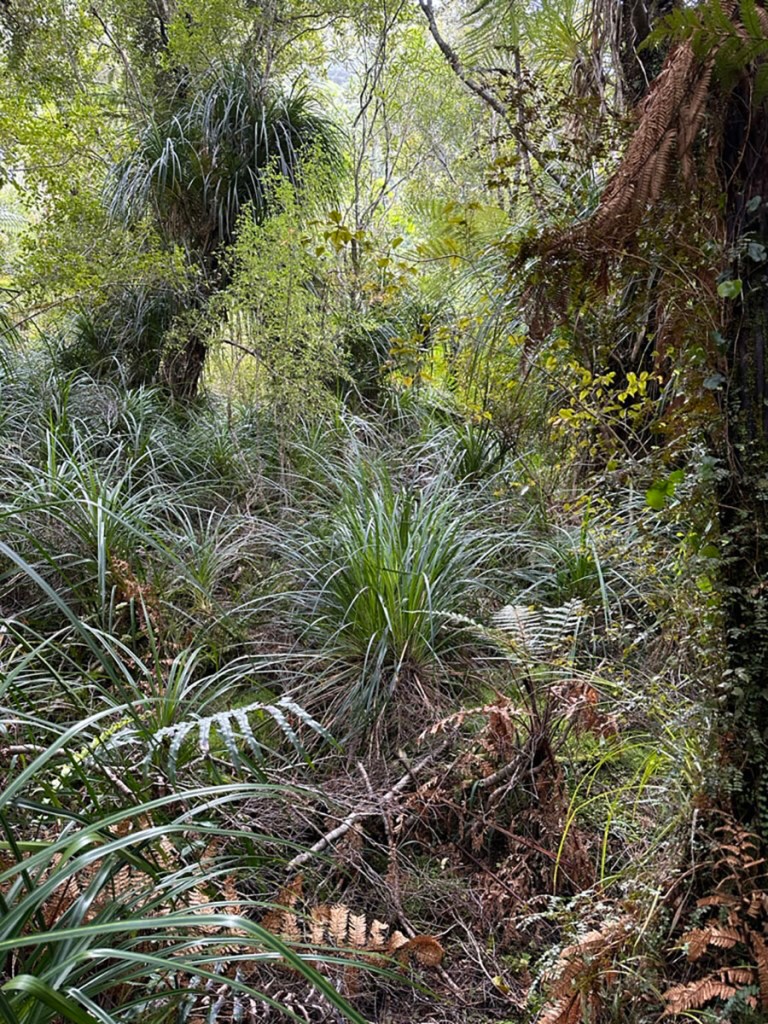
While we were waiting to see the penguins, we spent some time on trails around the lodge. This one was an educational trail through the rain forest. Being a rain forest, we did not see much sun while we were there. One day it rained 60mm, which is 2.5 inches. If you visit a rain forest, you have to assume that it is going to rain and you have to be willing to go out into it. I have to admit, kudos to the folks living and working there. It is just way too gloomy for me.
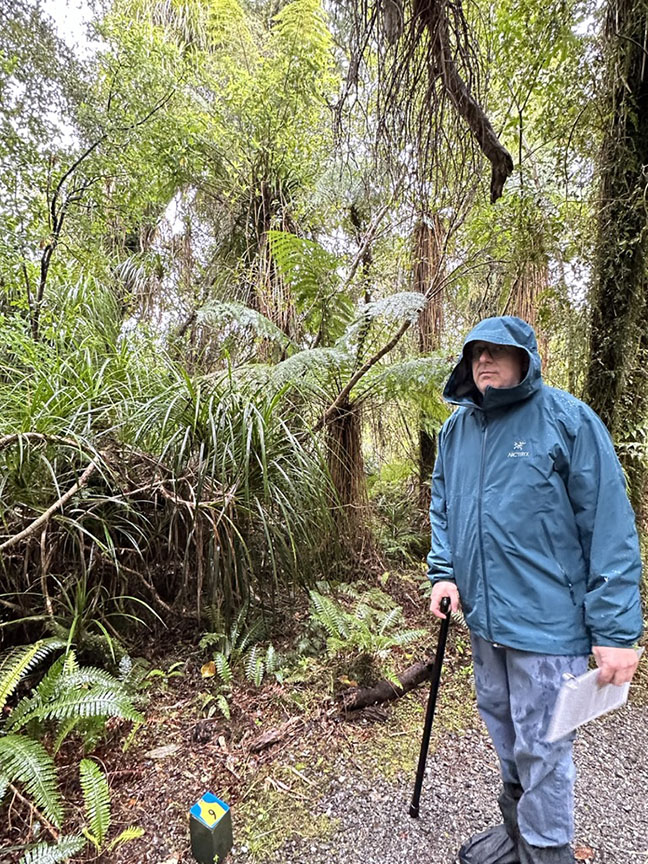
Path through the rain forest.Matt being the rain forest tour guide. He looks thrilled, doesn’t he? Actually, it was really interesting
Now it was time for penguins. The penguins live in the forest that lines the shore along a small bay on the Tasman Sea. It is odd to think of penguins as living in a forest, but penguins live in all kinds of places. Some like the South African penguin live in burrows, some favor rocky shores, some favor forests. To get to the habitat, we had to walk through the rain forest and cross a few streams.
Rainforest/bushGerry proudly shows his work
Wait. How did Matt ford streams and hike through a rain forest? Matt can do a lot of things that people do not expect. Gerry told us that Anne did not think Matt would make it. But Gerry thought he was entitled to try. He did not double time us along the path. We went at Matt’s pace. Matt carries a portable stool which he uses to give his feet a rest and Gerry was more than happy to pause. As for the streams, I had on gum boots. Matt had on his waterproof shoe covers and we both kept our feet dry.
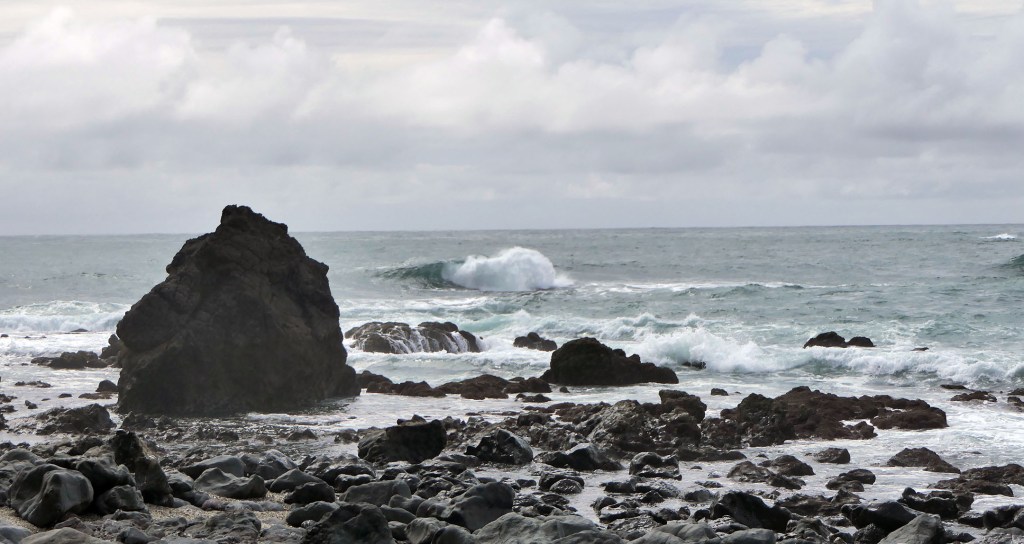
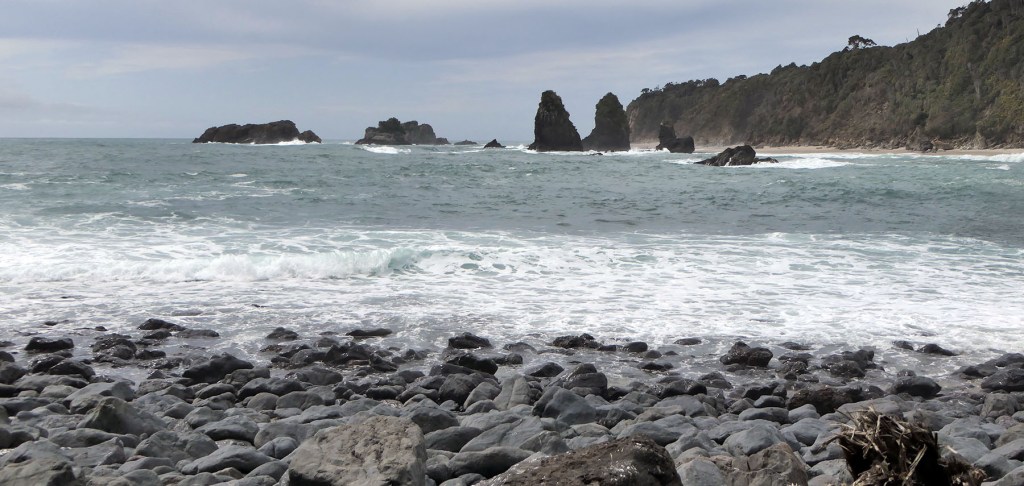
Gerry took us to a secluded cove where waves crashed over huge black rocks.
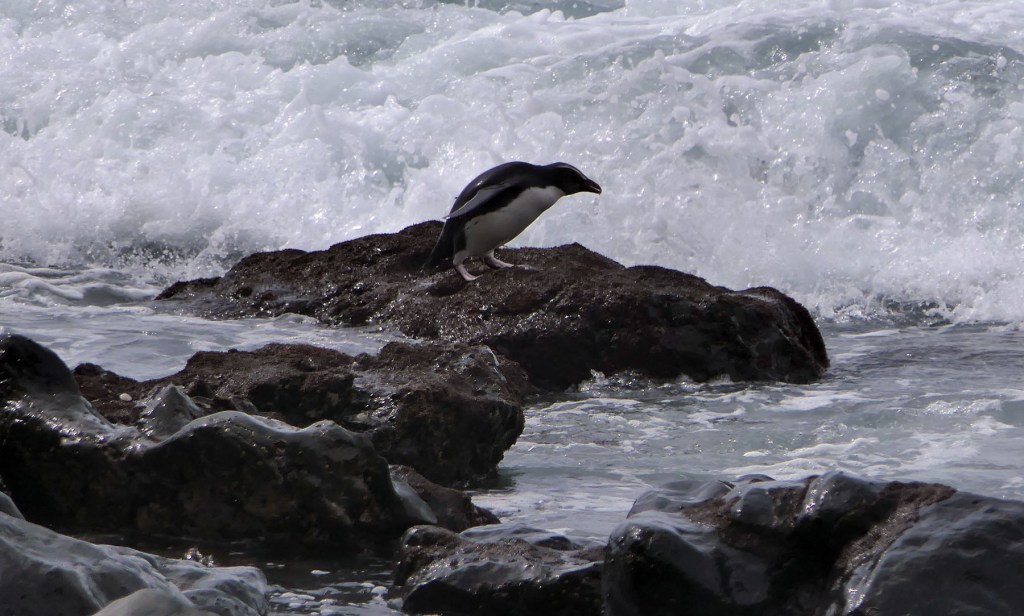
The penguins landed here. on the waves crashing over the rocks.
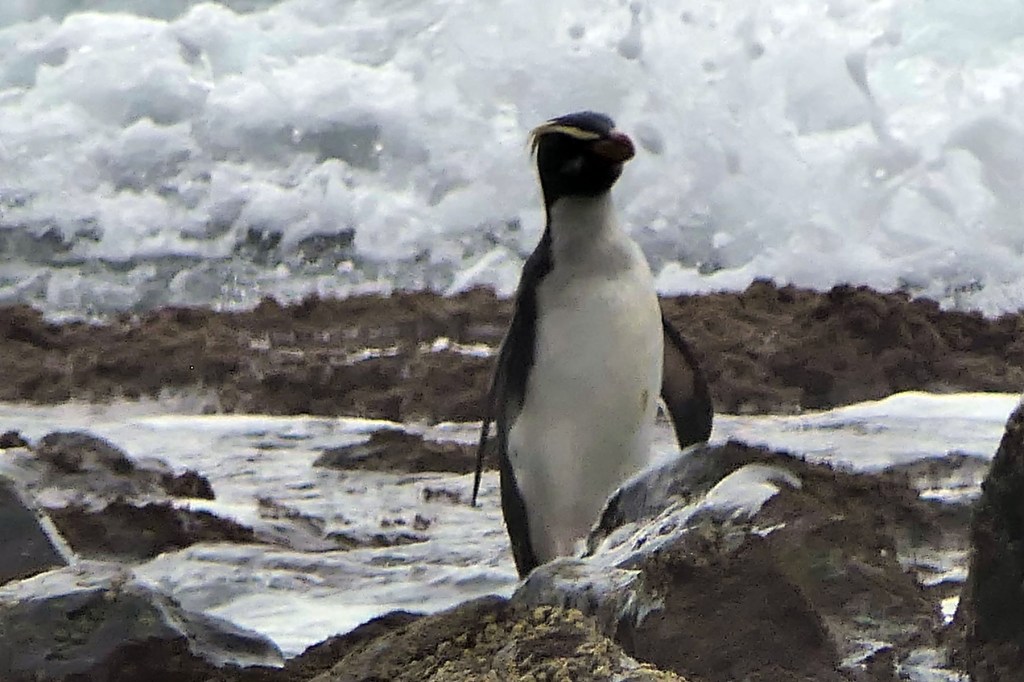
The penguins are endangered and few in number. So this was not like the nature documentaries you see where people are wading through thousands of penguins. The beach was empty. The penguins nest in the forest surrounding the cove. Like most penguins, the male and female take turns watching the eggs. One goes out to sea for food, the other stays behind. As they return from the sea, they land on the rocks, then hop or walk across the rocks and sand and waddle up a hill into the bush. We were there to observe them as they went back and forth.
Gerry positioned us on a log, and we waited. In a few minutes, the first penguin came out of the bush and down the hill to head out to sea.
Going out for a swim
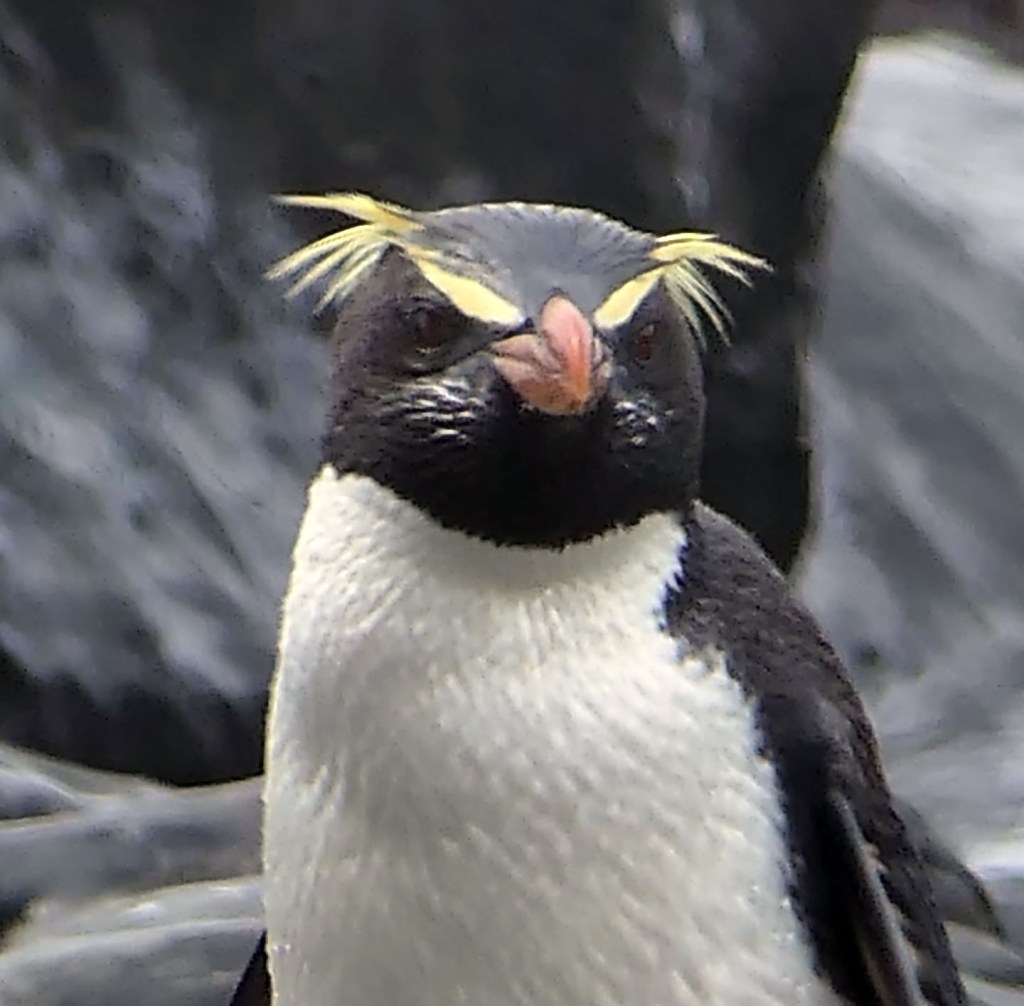
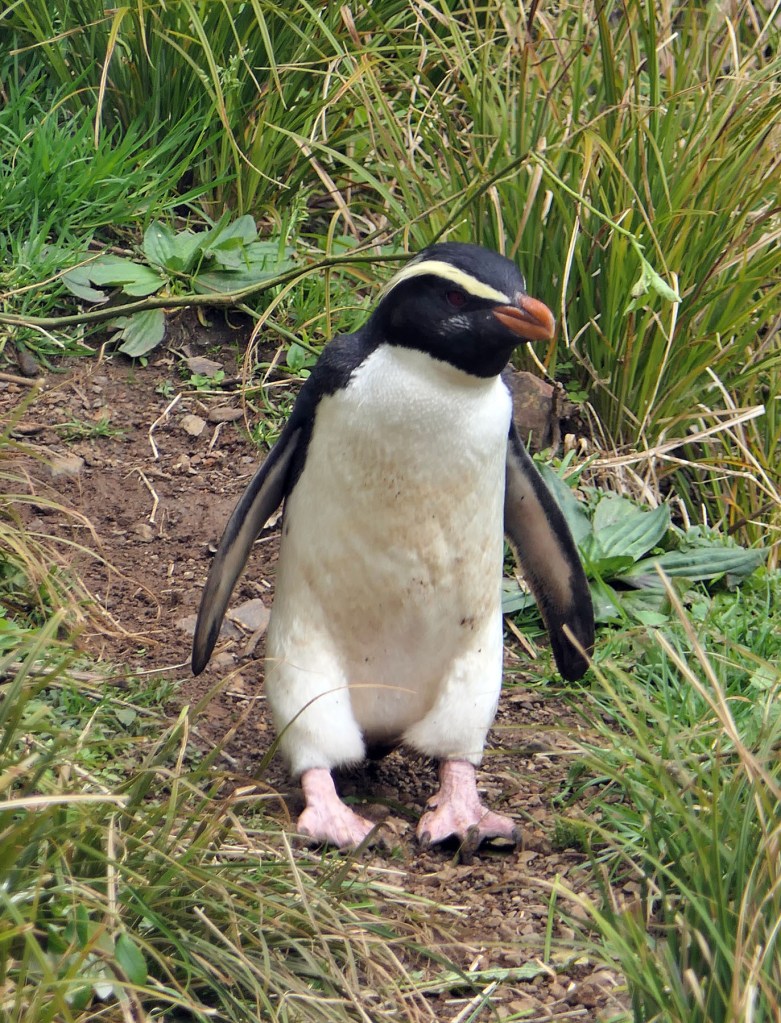
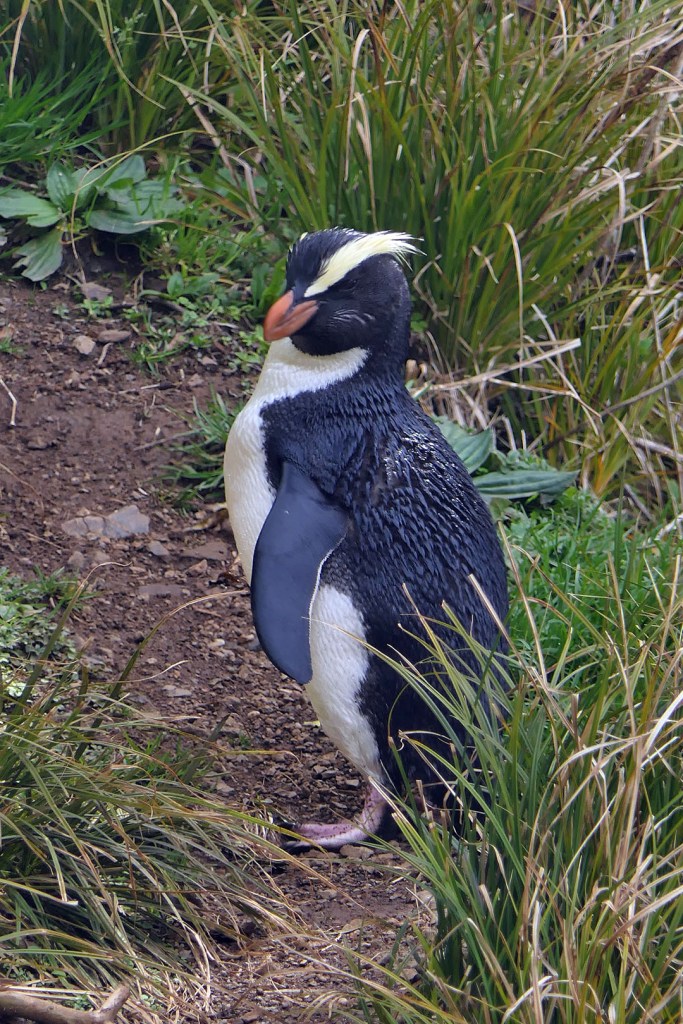
Damn, penguins are cute. You just have to smile when you see them. They have that side-to-side wobbly walk, their little heads pushed forward, their bellies almost covering their feet. They flap those little wing-fins to balance as they hop from rock to rock. Just damn cute.
Okay. One penguin sighting. We waited some more. As we waited, we talked about everything—conservation, penguins, birds, world events, questions about America. Gerry was up on the current politics, so we got questions about Trump of course. One thing I have learned here is that, to New Zealanders, Americans are kind of like penguins. We are interesting to observe, and they so want to understand our habits. And of course, some of us wobble when we walk.
As we waited, we were engulfed in thousands of sand flies, the devil of the South Island. When you think sand flies, you might think annoying flies like you find around farms. Or you might think of gnats. You might even think, well, I have been swarmed by mosquitos. Sorry, but your imagination needs to take it up a notch. Sand flies are evil, blood sucking insects whose bites are sharp and filled with toxins that will make your skin look like you have been rolling in poison ivy. And the bites are just as itchy, if not itchier than that. God must have really wanted to make us miserable to create those vampires.
I had on black pants for no better reason but that was all I had to wear. Unfortunately, black clothes attract the flies. Gerry kept telling me this, but it was most unhelpful given I was miles from the lodge and had nothing else to change into. (If only they had warned us about the clothes before we arrived!)
I was soon covered with hundreds of flies. I had brought along natural repellant that I bought at the lodge. Gerry scoffed and offered me Deet. I declined. Since the only exposed part of me was my hands and face, I figured how bad could it be?
It was bad. Very bad. I finally put on some Deet but being the insect magnet that I am, it really was of no help at all. So I just tolerated them, shooing and swatting as needed. (By the time I got home a few days later I had giant welts. I tried in vain not to itch. But the feeling was so intense all I could do was scratch as hard and as long as possible. Counterproductive I know. But at the time it felt so right.)
After two hours we had counted fifteen penguins, coming and going from nest to sea and sea to nest. Gerry said that was the second most sightings for the season. Plus, the location was so beautiful that the bug bites were worth it. Take a look.
Just back
Heading homeGetting ready to dive in.Just landedNice place for some penguins to live.
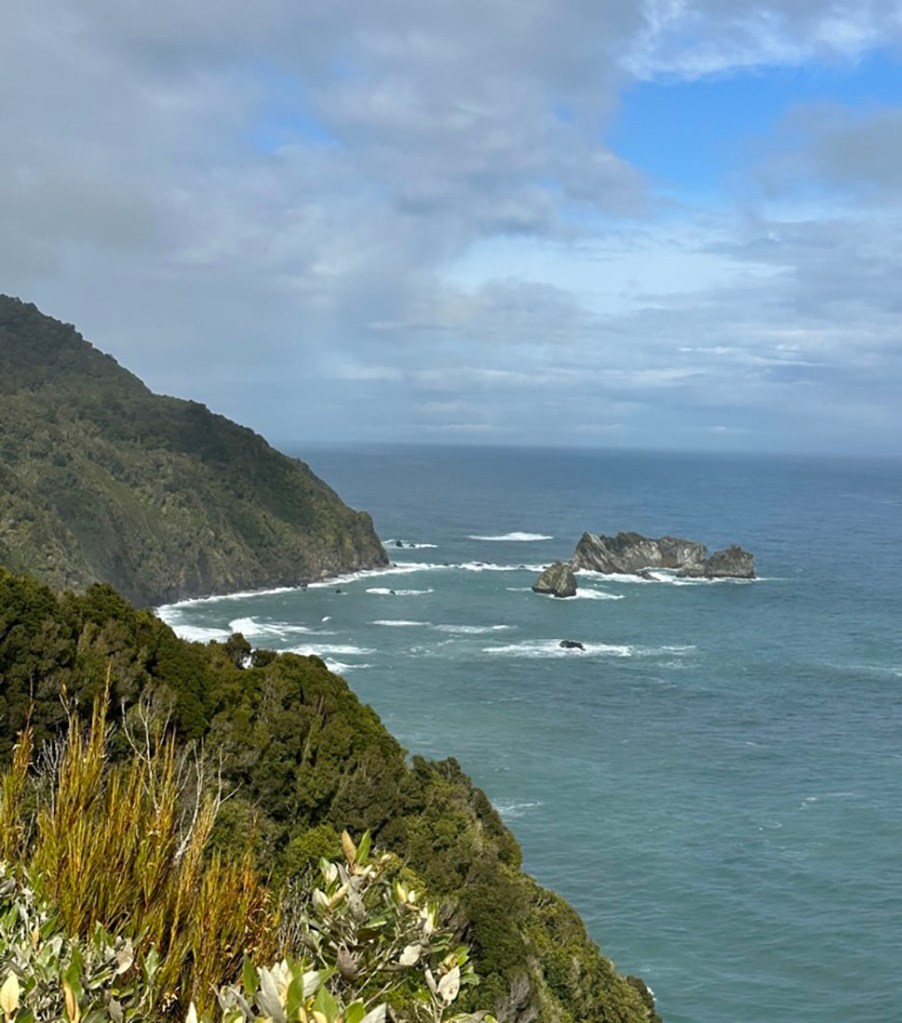
We took a trip to the West Coast of the South Island to see the Fiordland crested penguin. This is an endangered penguin that lives only on the West Coast. The West Coast itself, an unlogged rain forest that is intended to represent what New Zealand looked like before it was settled and the forest were mowed down for timber and farming, is itself designated as a U.N World Heritage site. Here there are fjords, glaciers, mountains and crystal clear rivers and lakes. Despite its remoteness, it is big on any tourist list of things to see and do when visiting the South Island.
Our goal was to see the penguins, which we missed when we visited New Zealand in 2005. We did come to this part of the country, visiting Milford Sound and flying to the top of Mount Cook and landing on a glacier. But we did not drive the coastal highway. We were so distracted after we bungy jumped from the Kawarau Gorge Bridge, we could not even think about a rain forest.
So this was our chance to tick this bird off our list.
We stayed at the Wilderness Lodge at Lake Moeraki, a remote lodge, located in a rain forest, hours from any town, about as far from civilization as you can get while still driving a car. To get to the Lodge, we had to Drive Route 6, from Queenstown to the Coast, a four-hour drive on winding roads, over mountain passes, and along stop-the-car clear blue lakes, waterfalls, and rivers.
Here are some pics.
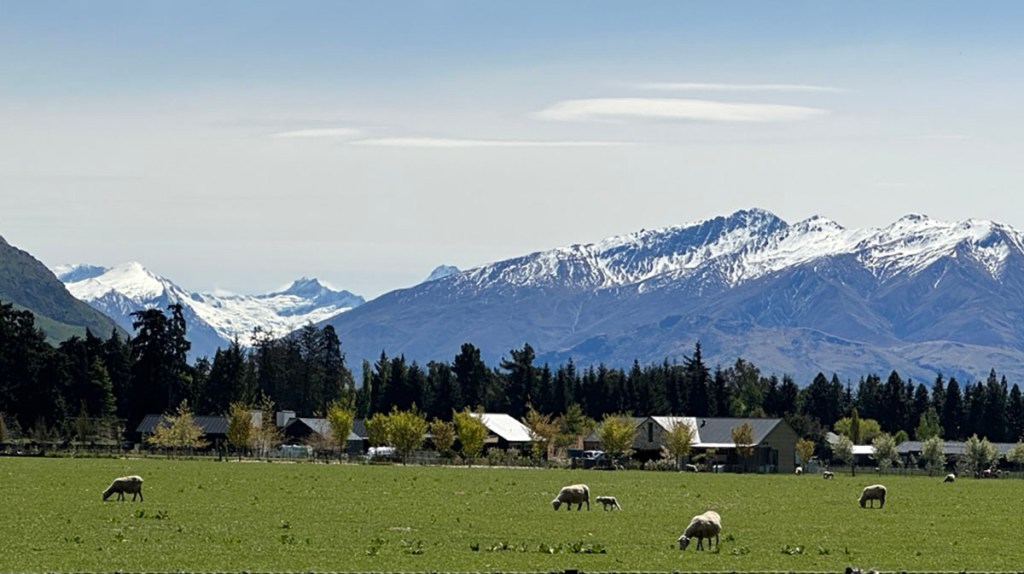
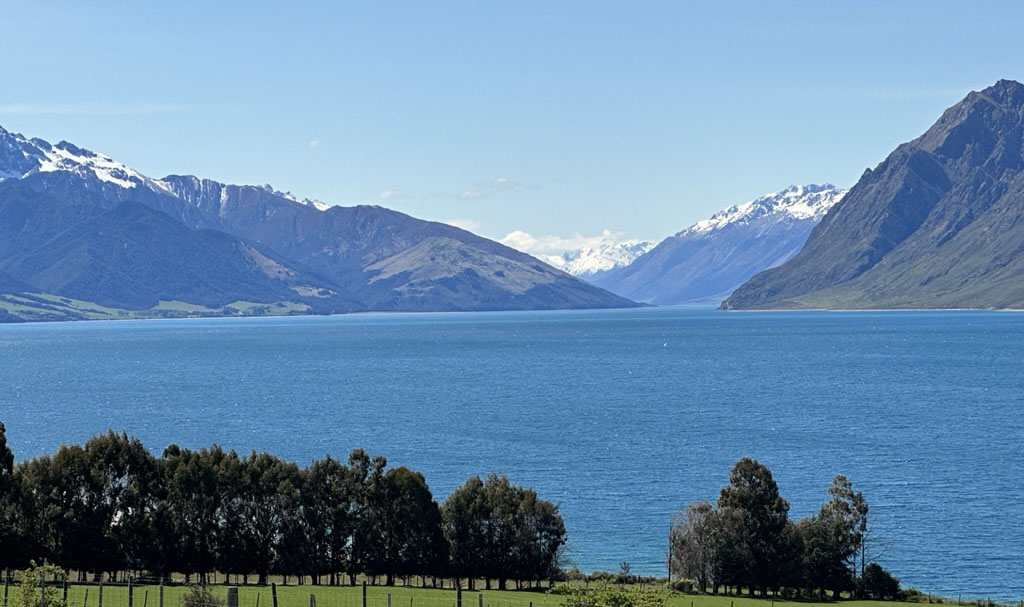
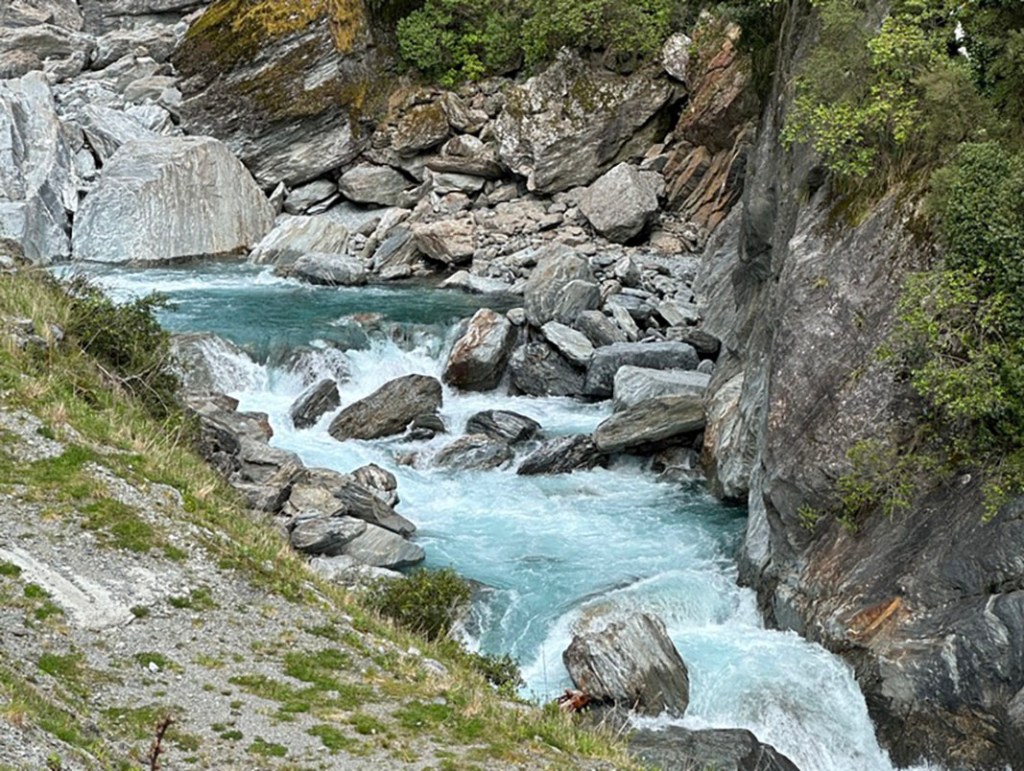
Sheep! I never tire of this kind of scenery.Lake HaweaThis color is typical of streams and rivers. Crystal clear blue aquaAlong Highway 6Ship Creek. Just look at those clouds.
The lodge owners, Gerry and Anne, were quite nice and helpful. Gerry and Anne, both lifelong conservationists and very willing to make good trouble, were instrumental in having this part of New Zealand protected from development, with five national parks, and also helping to establish it as a World Heritage site. Gerry would take us into the bush to see the penguins in a protected area he helped to create.
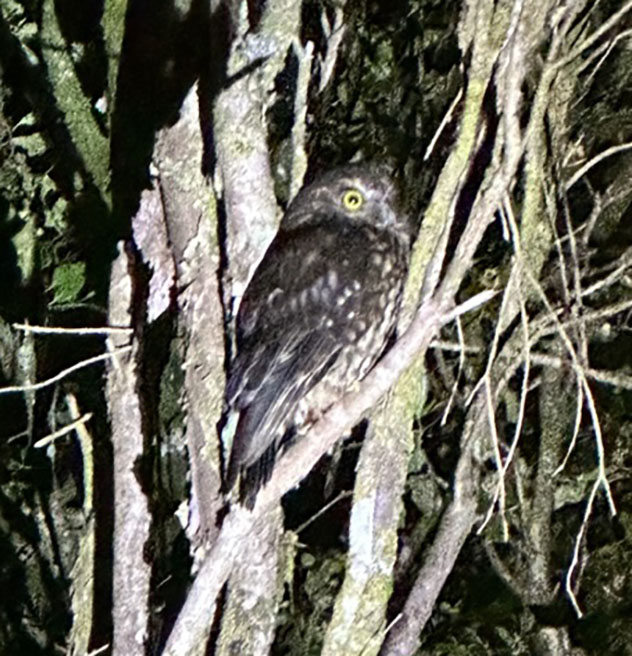
But first we had to see a Morepork Owl. I love owls and New Zealand has two. They are hard to see but being in an isolated place, the birds were plentiful and not shy at all. We could hear the owl, but it took Gerry to lead us to it. It was right there in a tree next to our room. Here it is. Gorgeous darling.
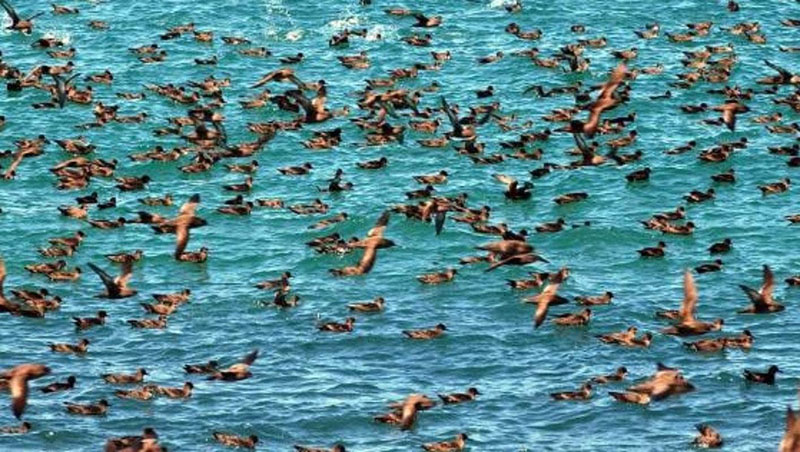
Sooty shearwater gather at the Titi Islands, which are located off Stewart Island, the southern most island in New Zealand and a fun place to visit.
The Maori eat the titi or mutton bird. A titi is a sooty shearwater, a sea bird that nests on certain islands off shore of New Zealand, known as Titi Islands. Maori are permitted to harvest the shearwater chicks, which are considered a delicacy, and the birds can be bought at certain grocery stores.
I had eaten titi on our trip here in 2005 when we were on Stewart Island. I recall that it tasted like fishy chicken. I saw one for sale at the grocery store so I decided I would try it again, cooking it the New Zealand way, just to see if that was right. I looked up recipes for cooking mutton bird, as the white New Zealanders call it. They all seemed to be pretty similar, so I picked one and then riffed on it.
There are a few issues with mutton bird. First it is a very oily bird, much like duck. Second, it is also a very salty bird. The salt comes, not from the ocean, but from the fact that the Maori harvesting the birds do not have refrigeration on their small boats. So they salt the birds to preserve them. This means the preparation of the bird is primarily about getting rid of the salt and fat.
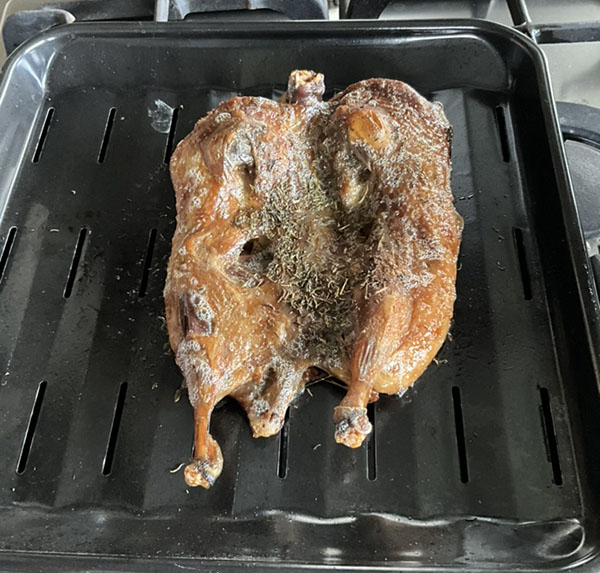
The first step is to boil the crap out of the bird. Put it in a large pot, cover it with water, add a bay leaf, and boil. Boiling this bird is a challenge largely because they stink to high heaven. If you can boil it outside, that would be ideal. Absent that, open every window in the house. After an hour, there will be a mound of fat on the water. Drain it off taking the salt with it. Start again. Fresh water covers the bird. Boil it for another hour. More fat, more salt. Drain it again. By this time, it should be completely tender and while not completely salt and fat free, at least edible.
Boiling the bird
The next step is to broil the bird. The idea here is to crisp up the skin.
Broiled crispy
Once it is broiled, the bird is ready to eat. Some people stop right there and eat it. That did not seem right to me. First, the bird was so tiny, it was not enough for two people. Second, after all that effort, my feeling was that it needed to be given some special treatment.
So I made a titi bird risotto with shredded titi, watercress and feta cheese. It was actually quite good. I used a standard risotto recipe and mixed in the watercress and bird at the end, topping with feta. The titi is a strong flavor and it is called a mutton bird because it supposedly tastes like mutton. Not having ever eaten mutton, I have idea if that comparison is true. I do know that the way I prepared it did cook most of the fishiness out of it. But like any strongly flavored food, it is only for the adventurous.
Well, there you have it. We are living in a tsunami danger zone. We live in New Zealand. They are on top of two continental plates, the Australian plate and the Pacific plate and they are trying to pass each other. Unfortunately, it results in one plate being pushed down while the other pushes over the top. (Look up plate tectonics if you want to know more.) As they crash into each other earthquakes occur. Tsunamis are caused by earthquakes. Generally the quakes occur offshore and then through a change in the floor level of the ocean, there is a rippling dispersal of water that causes the sea level to rise dramatically.
New Zealand has started to get serious about tsunamis. An earthquake off the coast of Japan caused a tsunami that took out the nuclear power plant in Fukushima Japan in 2011. In 2022, their neighbor Tonga, was nearly wiped out by a tsunami caused by the eruption of an underwater volcano. So the danger is real.
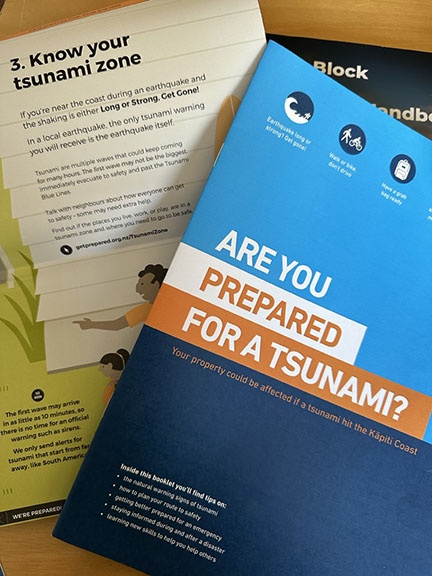
We received a flyer in our mailbox alerting us to an evacuation planning meeting. Matt is very focused on disasters and by that I mean, he worries about them. A lot. Me, well, I just can’t think too hard about it. But he wanted to go to the meeting. So, there we sat with our neighbors while scientists tried to bring home the fact that this kind of event can come at any time and with little notice. And it can kill you.
I certainly believe them. But the advice is to have a go bag and get ready to evacuate at a moment’s notice. If you feel a strong and long earthquake, go. The goal is to clear out of the danger zone. For us, being at sea level, that zone is a good mile out. It is hard to imagine outrunning a tsunami without sufficient time. I think it is virtually impossible. It depends on where the earthquake occurs. If it is close by, as happened in Tonga, well, forget it. Imagine if you are on the road walking/running away and the earthquake was close by. That wave is coming fast. You can hope is dissipates quickly so you don’t have to travel all that far to get out of its way. But there is no way to know what is going to happen. The best you might do is the vertical escape–climb a tree and hope the wave is not as high as the tree. From stories on the news, that seems to be how most people survive.
If the earthquake is far enough away and there is advance warning, you might have a chance to get out.
There is only one road in and out of this community. We are surrounded by farms. So we spent some part of the meeting looking at potential alternatives, possibly across farm land, possibly along paths leading away from shore. This is just the planning phase and they government civil disaster reps are going to see what they can do based on input from people who have lived around here much longer than us.
This is all so new to us. We are Atlantic Ocean people. Tsunamis are not our thing. Hurricanes, yes. Giant waves from earthquakes? Not so much. Well, I guess we need to learn.
There is a competition here every year called the World of Wearable Art. We decided to take a night off from unpacking and fussing and get out on the town.
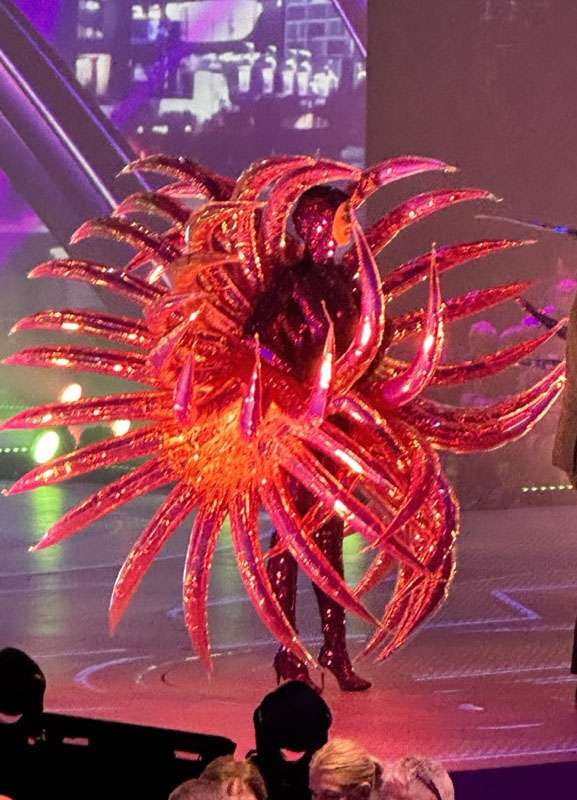
Artists from all over the world create costumes/clothing the idea to see who is the most creative with not just the ideas, but with the artistic work itself. There are theme categories as well as open and avantgarde. This year they had a bizarre bra competition.
The costumes are modeled like a fashion show with mostly women, some men, parading down a catwalk and around a stage. We were not allowed to take photos during the show. We could only take photos of the preshow warm up. The Atlantic Magazine had an article about it here. There are photos there. Here is another.
We had pretty good seats but it was hard to appreciate the work involved in creating the costumes/art. You have to be up close to see the fine details. The photos published by The Atlantic show that.
I am going to think very hard about whether I can try this. It might be fun and there is no real pain involved so, why not?
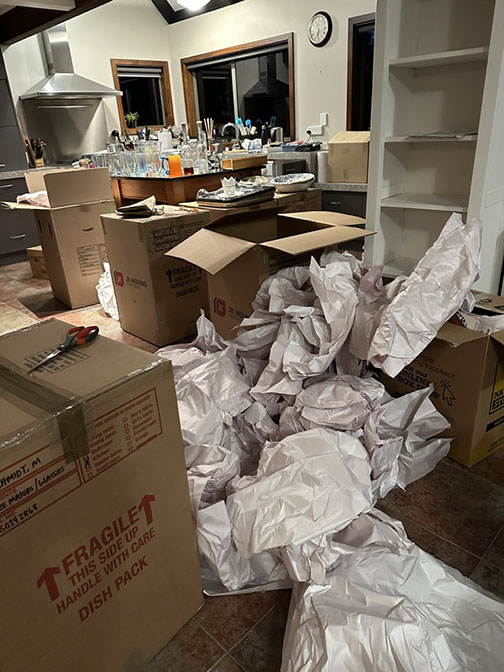
On August 31, our containers were moved to the house in Te Horo Beach. We had two containers that were jam packed full. Think a semi-trailer moving van. They brought in about ten people to heft the stuff across two stories and eight room. Our job was to direct traffic, telling them where to take the boxes or furniture. It took an exhausting and mind numbing six hours. They unpacked some things for us, like the furniture and art, although I told them to leave the boxes alone. They placed the furniture and got the rugs down, and that was helpful. But now we have to work through the boxes and figure out where everything goes. I am giving it three months. I just cannot do this eight hours a day.
Losing my mind with unpacking
We moved a lot of stuff. Our plan was this—we move what we can, most of it is furniture we bought at IKEA or from Wayfair. When we leave New Zealand, we just leave everything but the antique furniture behind. And honestly, it was the right thing to do. Why? Because stuff is expensive here. I talked this over with the moving supervisor before we were packed up in the U.S. and he basically said, bring everything you can because it will cost a lot of money to replace it. He was right. Not only is it expensive, the options are very limited.
I did not bring all of our bookshelves and or smaller cabinets figuring I could buy them here. Wrong. There are two main furniture stores and no IKEA or Wayfair or Overstock or any other option you can think of that saves you money. The furniture is generally manufactured here, which is great until you look at the prices. I left behind our overstuffed recliners. A standard recliner here runs around $2200 NZD, or around $1300. Books shelves can cost upwards of $1500 NZD, sometimes more. Even antique dressers can run into the hundreds of dollars depending on the wood. You might find less expensive items, but you get what you pay for.
Electronics are just crazy expensive. I could not bring my small appliances because of the difference in electrical outlets and power. Wow, they have been expensive to replace. I paid nearly $400 for a food processor, and it is not even a very good one. But I brought the rest of my kitchen. I brought it all—cookbooks, pots, pans, dishes, you name it. It was worth it to have my tools with me.
The things we brought that we now realize we do not need? For one, winter clothes. They do not have four seasons here. My snow boots and down parkas were not required (unless we go to the South Island where they have winter). Also, any kind of more formal clothes—for Matt things like suits and ties are completely unnecessary. I have no need for fancy dresses. But alas, we brought all of these things. I am now packing up boxes with clothes we will never use and storing them away.
What about the cats? How did they take the move?
While our stuff was moved into the house on August 31, we decided we needed to get some bit of order in it before we brought the cats. Cats do not like change and so far they took a plane ride from Maryland to a stop over at a boarding place in L.A. for quarantine, then another plane to another quarantine facility in New Zealand then to the house in Wellington. Now we are moving them again. I was worried most about Boo. She is 17 and has been a trooper but still, it is hard. She spent most of her time on Wellington in a little kitty tent. She never seemed quite comfortable.
So on September 2, we made the final move out of Wellington with the rest of our stuff and two cats on board.
JoJo is a howler. He will cry and cry and cry when he is in a car. I had to listen to him for the whole hour. Boo is usually quiet but he got her going and she started crying, albeit not continuously, until we arrived.
I let them out in the main bedroom and closed the door. Our furniture was in the room as were boxes full of our stuff. Boo seemed downright overjoyed. She sniffed everything and trotted from the bed to the dresser to my slippers. She seemed to say, “Yes, yes, this is our house! This is our stuff!” I have never seen a cat so visibly happy. She jumped on the bed with the energy of a kitten. She rubbed on everything. This is mine. This is mine. This is mine. She has been trotting around, tail up, ever since. She just knew this was home. (I can relate. I feel so much better when I am around my stuff.)
JoJo, on the other hand, has been completely freaked out by it all. He just cannot take the constant opening of boxes, tearing of tape and paper, and the noise, noise, noise! He is very curious, but the sensations and the exploration just seem to overwhelm him so that I often find him tucked into a corner or hiding under a piece of furniture. He seems lost as if he does not know what to do with himself. I keep reassuring him that we will get the boxes emptied soon.
How has it been going since?
It has been six weeks , we have been unpacking boxes, arranging things, sorting and storing and just generally trying to get settled. It is exhausting. I am so over this but we are still not done. Matt is working and there is only so much time in the day for me. Unpacking and putting things away grows old quick. We figured it would take a long time but boy, this is getting ridiculous. I do not want to be looking at unpacked boxes six months from now. Honestly, I’ve got nowhere to put them. There is no storage here. We are creating it.
We have to deal lots of broken stuff. I have been working on the insurance claim. We are also trying to deal with getting services in order. Nothing seems easy here.
The cats have adjusted fairly well. We are still opening boxes and moving things around and JoJo hates that part. But there are plenty of places for him to sleep and get into trouble so He is good. Boo does not like that it is cold so we find her sleeping under the heaters a lot.
So what about the house?
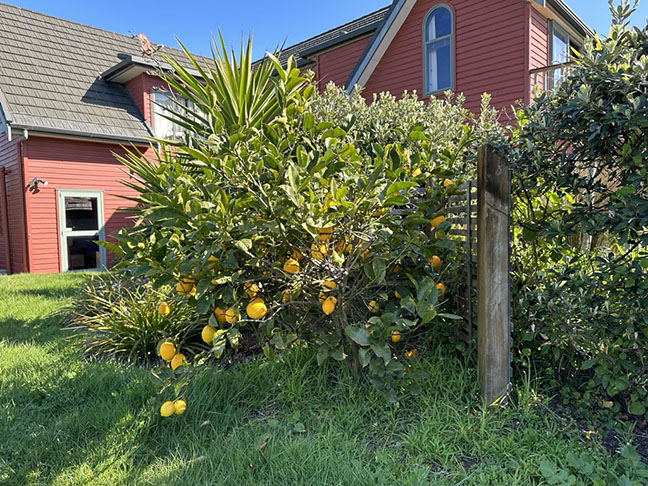
We have a lemon tree. I love being able to pick lemons.
Meyer lemon tree
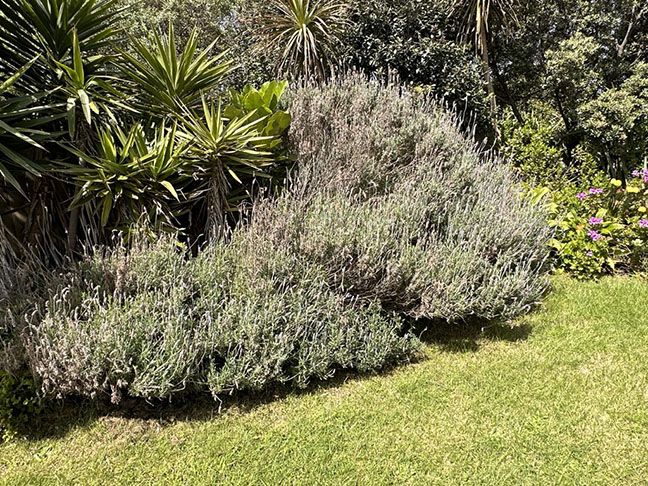
The yard is really quite wonderful. Whoever lived here before did a lot. There are lavender bushes that are a good six feet high. I have never seen lavender grow like this.
Lavender
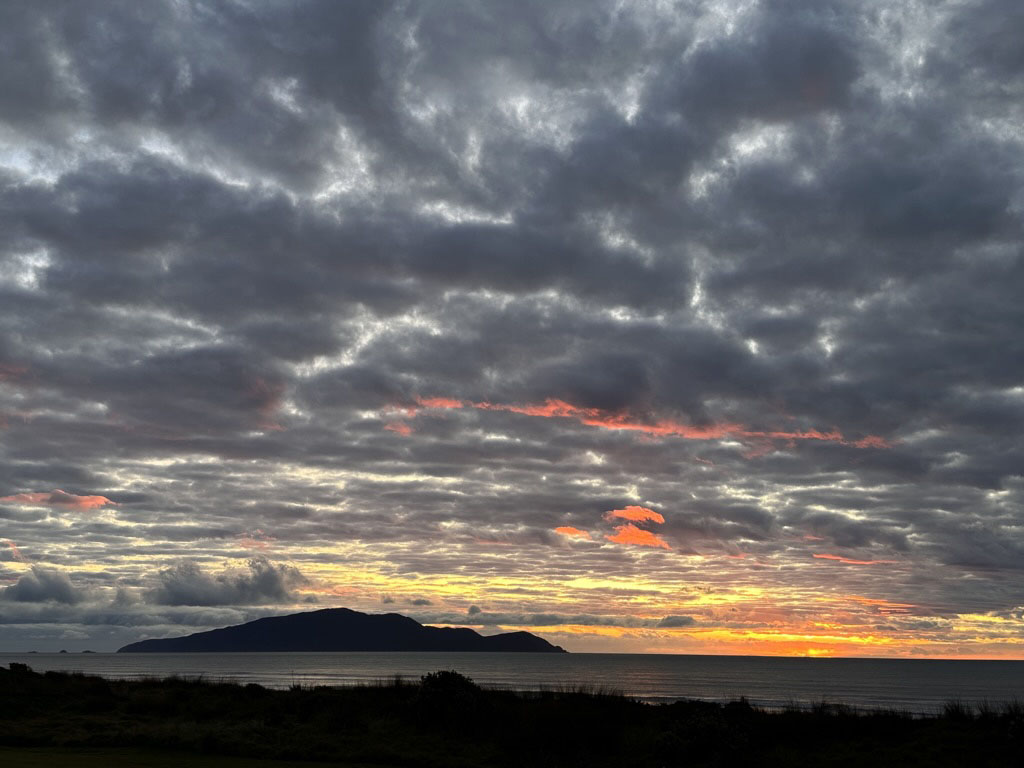
We have a great view of the ocean and sunsets.
This was a pretty dramatic sunset
There is nowhere near enough storage or space so we are turning the garage into what would be a basement in a U.S. house. I am putting together a gym, a crafting area, a gardening area and a tool area. I’d say we are getting close to settled.
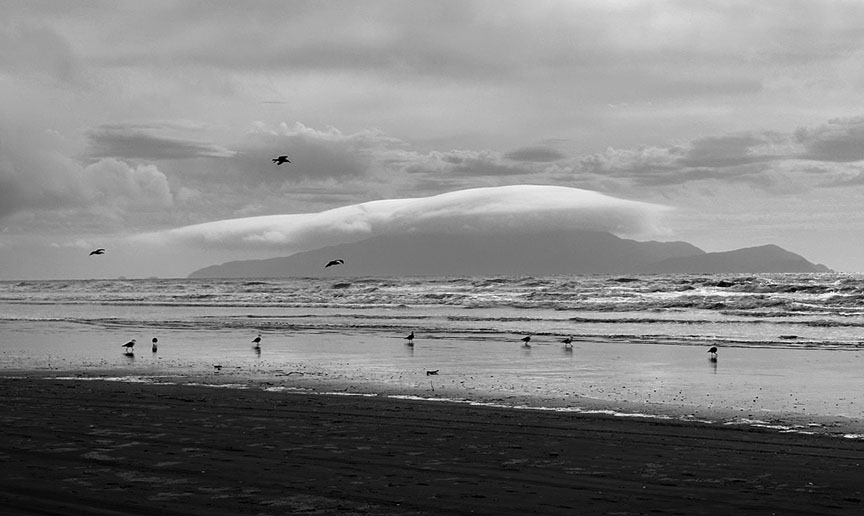
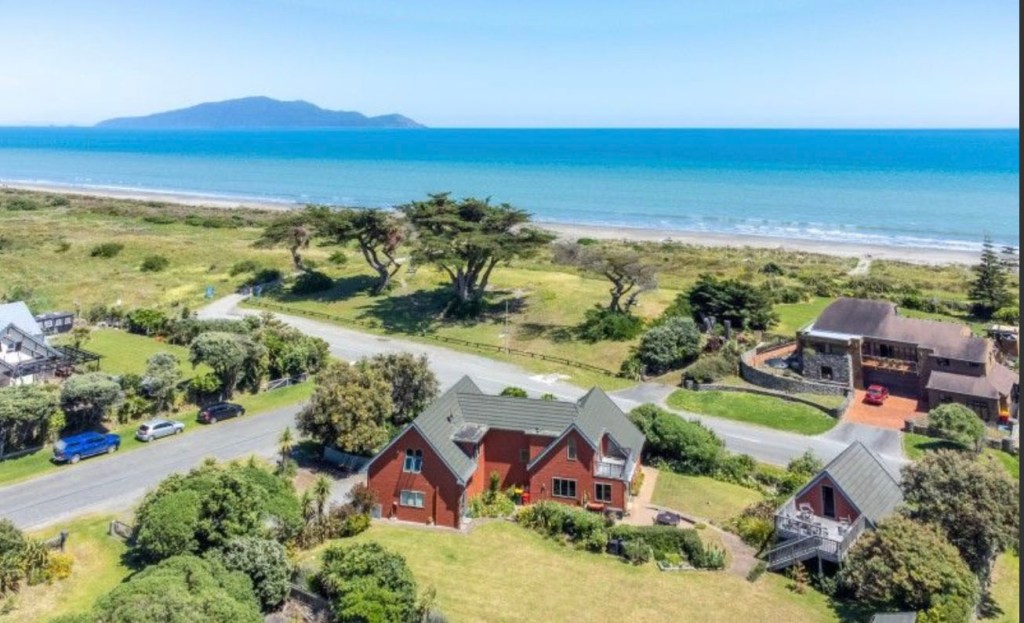
This is where we live. The red house in the center. The island in the distance is Kapiti Island. We live on the Kapiti Coast.
Finally a place to call home. What does this have to do with Arnold Schwarzenegger? Matt and I recently watched the Netflix series about Arnold Schwarzenegger. I really found him inspiring! The guy needs to be a self-help guru. (Turns out he just put out a self-help book. I am prescient.)
His outlook is ridiculously positive. He contends that he gets a vision in his head, and he just pursues it until he achieves what he wants to achieve. He is lucky as hell no doubt. People take to him because of his positivity and good nature, and he had a lot of help from a lot of people over the years. He took advantage of every opportunity. But he is also determined and seemingly unfazed if he has a setback. He just works harder and keeps his eye on the ball. Another lesson– he never second guessed his decisions. He figured out what he needed to do, and he did what he had to do to succeed.
He wanted to be a body builder. Check. He thought he belonged in America. Check. Having won just about every body building prize several times over he decided hey, I want to be a movie star. Not “I want to act.” I want to be a star. He set out to do it and he did it. What is next? I’m going to be Governor of California. Seriously, Arnold? Yes, and he did it. He wasn’t a bad governor. He just exudes a can-do spirit that is infectious.
He kept quoting his Dad who, when Arnold was young, instructed him to be useful. Arnold said you can find meaning in life by being useful. When I was growing up, my Dad used to say, “If you don’t have anything to do, find something to do.” It is the same principle. Don’t just sit around. Make yourself useful. And it works.
So, what does Arnold have to do with our finally locating and moving to a rental property at the beach in New Zealand? Like Arnold, I have always envisioned myself living in New Zealand. I have also always envisioned myself living at the beach. The sound of the ocean just makes me happy. Many people think that I can’t sit still. Not true. I can go to the beach, sit in a chair, and watch the waves for hours. I’ll take a book and never read it. The ocean just speaks to me.
But unfortunately, my life was directed to an entirely different place, and I lived with longing. Here is where Arnold comes in. Without knowing it, I followed his advice. I created a vision. Upon retirement, I would figure out a way to live at the beach. I just kept saying it. I am going to live at the beach when I retire. I was going to figure it out because I wanted to watch the ocean, breath in salt air, and listen to the heartbeat of water. So my mantra has been: I am going to live at the beach before I die. And ocean front if possible. It would be nice to just walk the beach every day. But I really wanted to be able to see the waves from my house.
Most people would say, Marsha, that’s easy. Just move to Florida with everyone else. No, that was not the answer. Put simply, forget the politics, it is the “everyone else” that is the problem. There are just way too many people in Florida or in most seaside towns. Too many people means having to put up with them. Having lived in the city for 40 years, I am done with putting up with people. My goal was a different kind of beach. One not populated with too many people making too much noise.
These beaches do exist. You just have to find them. There is one in North Carolina we like. And there is one in New Zealand. Te Horo Beach, about an hour’s drive north of Wellington. To get to Te Horo Beach you have to drive back roads through farmland populated with sheep, dairy cows, and horses. It is just a sleepy little place with houses. There are no restaurants or cafes or a boardwalk or anything really. Just the ocean and houses. If we need something, there are larger towns in both directions or, if need be, we can drive into the city. It is an easy, beautiful drive through green hills dotted with sheep.
The house has a wide-open view to the ocean from the deck. We are facing due west and we get to see the sunset every day. There is a small park in front of our house which provides beach access. On most days, the biggest activity is when people drive up, park, and go for a walk. Some folks bring their horses and go for a ride on the beach. It really does not get better than this.
Arnold was right. Have a vision and pursue it. For us, it took moving across the world but, by golly, I am living at the beach with a fine view. I can hear the waves crashing. I can see the sky–all of it. The stars thrive out here. The Milky Way shines.
We fretted about the distance. It is considered rural. RD 1. And Matt still has to commute to Wellington. But the house, though not quite big enough, is situated exactly as we wanted. Once we get settled and the internet is up and running, Matt will be commuting to Wellington three days a week. Right now, he is going every day and it sucks. I thank him every day for letting me live out my vision.
I’m an American. I drive everywhere. I am not really into taking three busses to get someplace so I had to buy a car. I did not want to spend a lot of money on a car I would probably only have for a few years, so I decided to go the used car route. I’m sorry, “pre-owned.”
There is a website here called Trademe. It is a super selling website that everyone uses. If it is for sale or lease, it is on Trademe. Companies advertise real estate on Trademe. Car dealers sell cars on Trademe. People sell used furniture on Trademe. It really is the source of all buying and selling in New Zealand.
Being so ubiquitous, I turned to Trademe to search for a car. I thought I would buy a hybrid. I was finding incredibly inexpensive cars, think Prius and Nissan Leaf. I set up some appointments and Matt and I spent a Saturday afternoon going from used car dealer to used car dealer.
At the first stop, I was looking at a Prius. My first question is always, does it have Apple Car Play? I ask because it is convenient for me to have and because it is an indication of how up to date the electronics package is. The salesman takes me to see the Prius and when I ask about Apple Car Play he tells me it does not have it. But more importantly, he explains that their company does not replace the car’s stereo and navigation systems with New Zealand standard tech.
At first, I do not understand what he was telling me. Then he shows me the dashboard and radio. The text is written in Japanese. I am trying to understand what is going on. What is he telling me again? What do you mean it is in Japanese? It is a Japanese car he says. He is selling an actual Japanese import. And by that I mean, a used Japanese made car imported from Japan that was used in Japan and so is outfitted with Japanese systems. So I ask, if the dashboard is telling me something important like, your tire air pressure is low, I would not know that because it would be written in Japanese characters, right? He offers that I can handle this by aiming my phone camera at the car navigation screen and use Google Translate to get the words in English.
Can we all contemplate that for a minute?
I say, whoa, no. That is way, way too complicated for me. I am not going to struggle with a car that is speaking Japanese. As I walk away, he shouts that all of the used cars would be like this. Um, okay. What a nut job. On to the next dealer.
I am scheduled to see a Nissan X-Trail hybrid , and this is where I learn what the hell is going on. I did not know this but apparently, it is quite the thing for New Zealand (and I understand many other countries) to import thousands of Japanese used cars to sell on the resale market. There are several reasons for this. Japan produces cars and to support car manufacturers, they pass regulations that will make a car obsolete thus encouraging turnover. Imagine if the Congress passed a law that said all cars must now have a certain kind of exhaust system. Then everyone has to get a new car to meet the standard. It would be a boon to car companies. This is what Japan does. They force turnover.
As for the New Zealand import market, getting a new car in New Zealand comes with limitations. They have a limited number of dealers, a limited variety of cars, and they are expensive. They are the last in line for new car models and not all car companies are here. It is also a small country and the opportunity for used cars is not great.
Put it all together and there are not enough New Zealand specific cars to generate a big used car market. By importing cars from Japan, New Zealand gets a shot at cars that might not otherwise be sold in New Zealand. But by importing these cars, the New Zealander has to accept the Japanese character of the car unless the dealer fixes it or the car buyer pays for it to be fixed. This means who imports the car, how the car is handled, and whether they are trustworthy is an entirely different matter.
The dealer selling the Nissan had an approach that was completely different from the Prius seller. The Prius dealer kept saying, we don’t change out the radio because a lot of people don’t want to pay for it. If I wanted it to be changed out, they would do it, but it would be extra. Fair enough.
The Nissan seller, on the other hand, had taken the initiative to swap out the electronics and upgrade software to the extent possible to make their cars more like a New Zealand car. It is not 100% English, but it is enough to get by.
When the Japanese cars are imported, they are dirt cheap. This can be true for a few reasons. The obvious reason is that Japan needs to get rid of the car so they auction them off as rapidly as possible. The buyer may not get that much information about the car. Many of the cars have suspect pasts, perhaps it is a lemon, or it has been in an accident. In the case of the first dealer, he was not offering anything in the way of knowledge about the car’s past. The second dealer provided a detailed independent inspection report.
But alas, for various reasons, the salesman told me, the Nissan X-Trail I came to see could not be upgraded to New Zealand standards. If I wanted that car, I would have to accept the Japanese version of it. I passed.
It slowly dawned on me that all of the Japanese imports were going to be a problem. The salesman suggested a better option for me would be to look at European cars. They come from the Japanese used car market, but they are easily converted to English and are easily upgraded if necessary. He pointed me to a used Mercedes-Benz, a 2017 with only 13,000 miles. It looked brand new, like someone had bought it and left it in a garage. It was loaded with features, sunroof, heated seats, CarPlay, you name it. But a Mercedes? I never in my life would pay for an expensive car like a Mercedes. I hate spending money on fancy cars. I just don’t do it. But did I mention that when they come from Japan, they are dirt cheap?
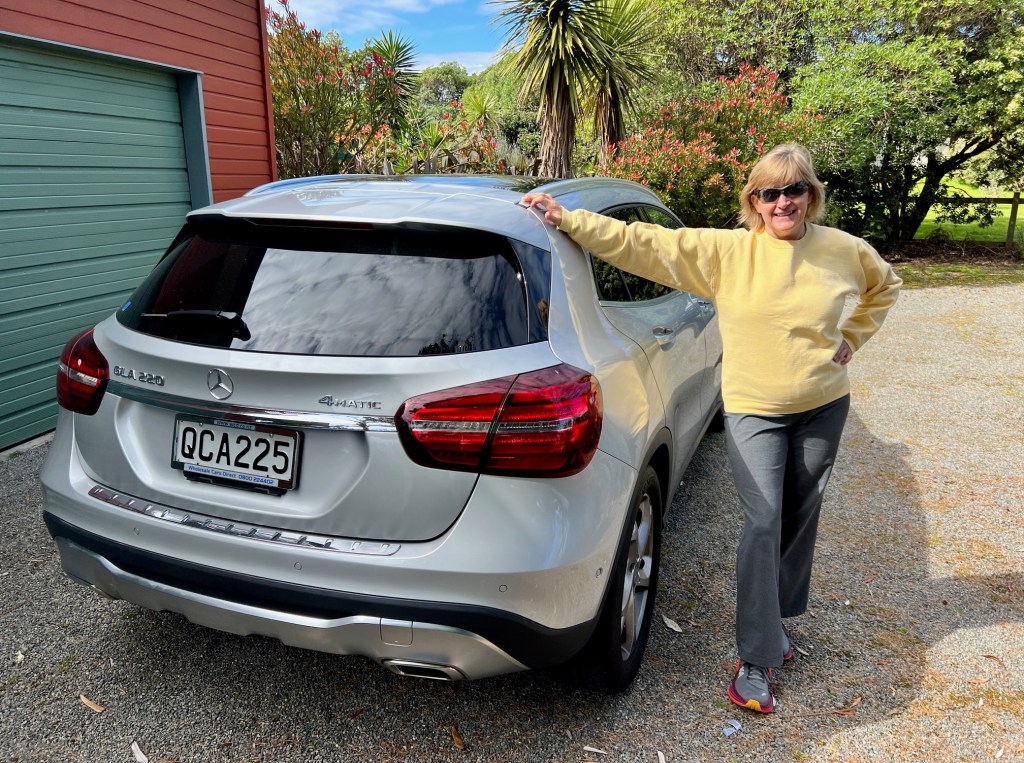
I avoided it for a while and I looked at several other cars at different dealers but none of them worked. I am Goldilocks when it comes to major purchases. I decided to give the Mercedes a test drive. The salesman assured me that once I drove it, I would love it. He was right and the price of the car in U.S. dollars was so inexpensive that I would have been a fool not to buy it. So, I am now a proud owner of a Mercedes-Benz. I hope this does not mess up my brand.
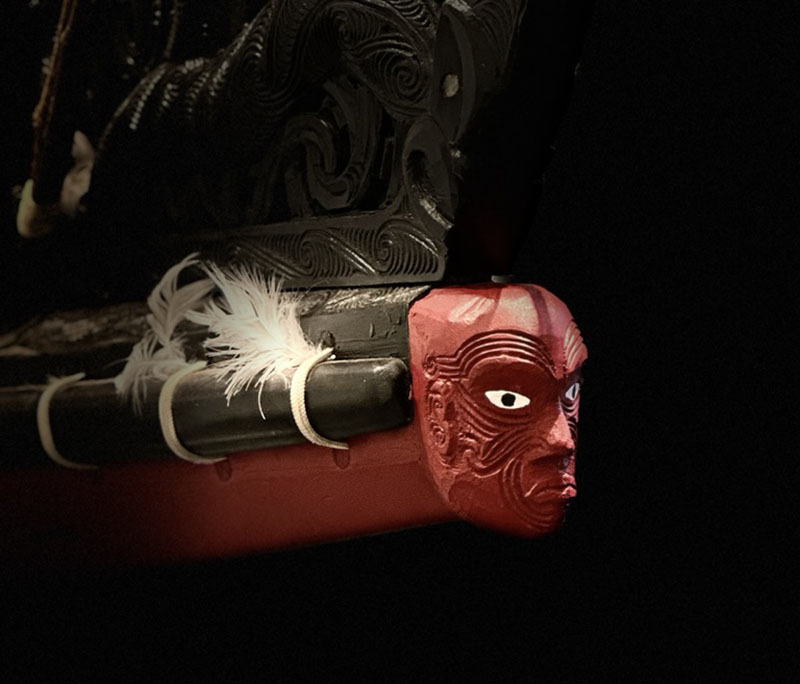
Prow of Maori waka (boat) carved from fragrant Kauri wood
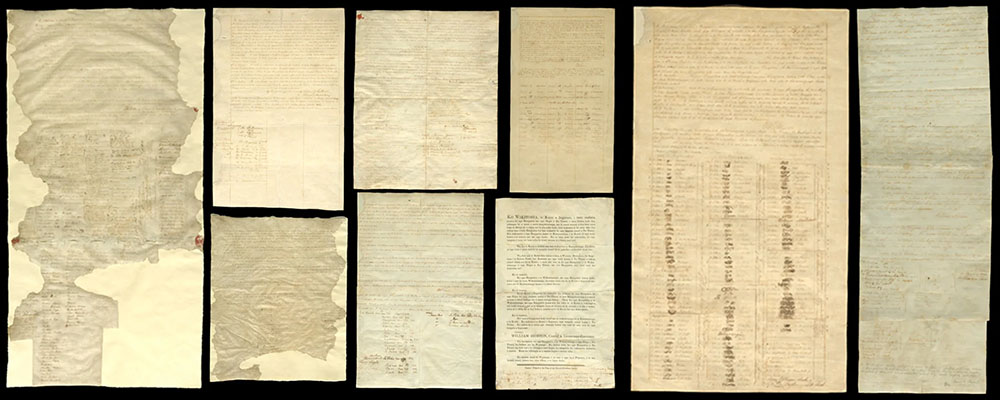
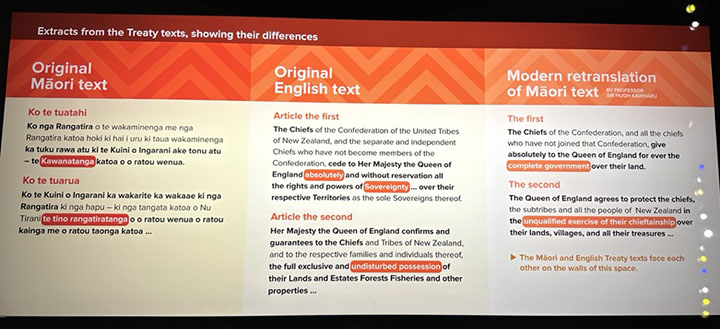
When Matt and I were here 20 years ago, we did all the tourist things but that was a very long time ago. So we are going back to places we visited before. This time it was the Te Papa Tongarewa Museum. The museum houses art and artifacts from New Zealand’s history. For me, the most interesting exhibit concerns the 1840 Treaty of Waitangi, in which the British obtained a cession of all land in Aotearoa from the Maori, the indigenous tribes on the islands. This is considered the founding document of New Zealand.
With surprising honesty, the exhibit explains that the British version of the Treaty and the Maori translation of the Treaty are not the same. The words used by the English in explaining the agreement to the Maori were interpreted differently when put into writing.
As was true in every other country they visited, the British intended to assert their sovereignty over the land and they sought a cession of sovereignty from the tribes. This was a foreign concept in Aotearoa, which was governed by individual tribes. There was no central government. Even so, the British version of the Treaty states the Maori ceded their sovereignty to the Crown. In fact, Maori understood in their language, that they were giving up governance over the land generally, but they would be free to govern themselves, their affairs and their “treasures,” meaning not just land but intangibles.
The British version gives the Maori the right to enjoy their land, forests, fish, and estates, but the Crown retained the full right to control the land in what is known as the right of preemption. The right of preemption, which was also used by the British in the United States, means that tribes may occupy the land, but the European Crown holds underlying authority and is in control of the purchase and sale of lands. In other words, the Crown has preempted the right of the Maori to control their land and the potential for foreign interests to buy it. Unless the Crown approves, the Maori cannot sell their land to anyone. This was how the British kept other countries at bay. It would be illegal under international law for the French to try to buy up property to challenge the Brits if preemption was granted.
But, as in the U.S., the necessity of obtaining consent from the Crown became an issue with settlers who wanted the land. So the New Zealand government started buying up land to dole out to settlers. They also worked to assimilate the Maori into society, which naturally led to the Maori being marginalized. War broke out pretty quickly (1860-1870), and the British used that war as an excuse to confiscate more land from the tribes. The promise to the Maori that they be permitted to govern their own affairs, i.e., to continue their tribal existence, was never met.
I could go on. The history of New Zealand mirrors the U.S. history of Indian wars, taking land for settlers, and trying to assimilate tribes into society, all in violation of treaties. Nothing is new.
These failures led to the protests on the 1960’s and 1970’s. The tribal people wanted control over their land and its resources, they wanted to be recognized as tribes and they wanted their land back. A tribunal was set up and Treaty claims have been in process for decades with compensation, land return and fairer treatment of the tribes as the goal. It is a slow process, but it seems to be working.
Governments in the D.C. area have been trying for years to get cars to stop for pedestrians crossing the road. They have put up signs, marked walks, installed speed bumps but it really does not work. Cars don’t always stop, and you are taking your life in your hands to expect that they will.
Here, it works. They mean it. Pedestrians rule here. The crosswalks where cars are required to stop are extravagantly marked with road stripes and lights. And if a pedestrian even approaches it, cars slow down and stop. It is like a miracle. I am leery enough that when I am walking, I always stop and look both ways to make sure the cars are actually going to stop. But there are some people who assume cars are going to stop and charge right into the road. It makes me nervous because I am not completely trained to be on the lookout when I approach one of these stops. I admit that a few times I scared the bejeezus out of a pedestrian who just strutted on into the crosswalk without even glancing and I did not see them approaching. I’m getting better but it is a new way of driving.
I was sitting on the couch reading when suddenly, the house started to rumble and shake. Dishes clattered a bit, things were vibrating. It was a 4.6 earthquake centered about a half hour up the road from here. Pretty cool. I did experience the earthquake we had in D.C., so it was not completely new. But it was my first in this country. Huzzah!










 A Yank Among the Kiwis