Rotorua – Part 1 – Matariki

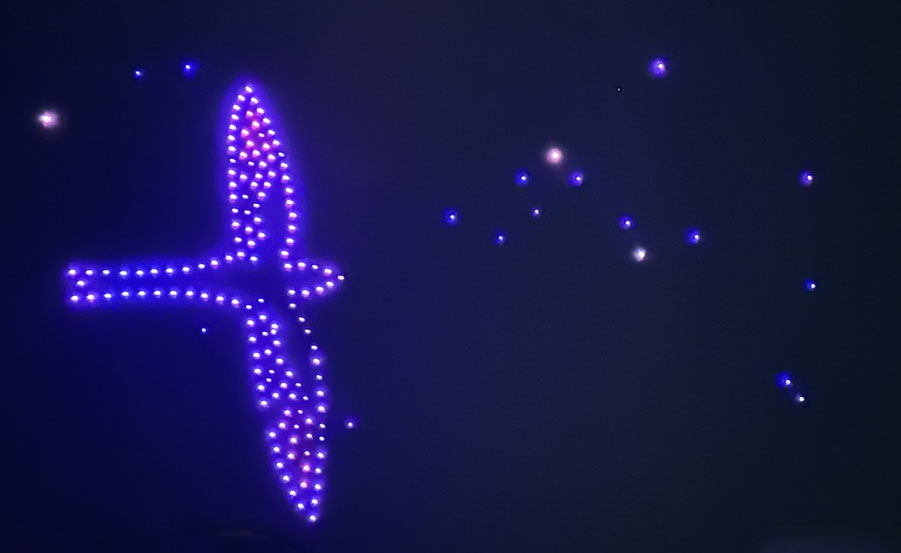
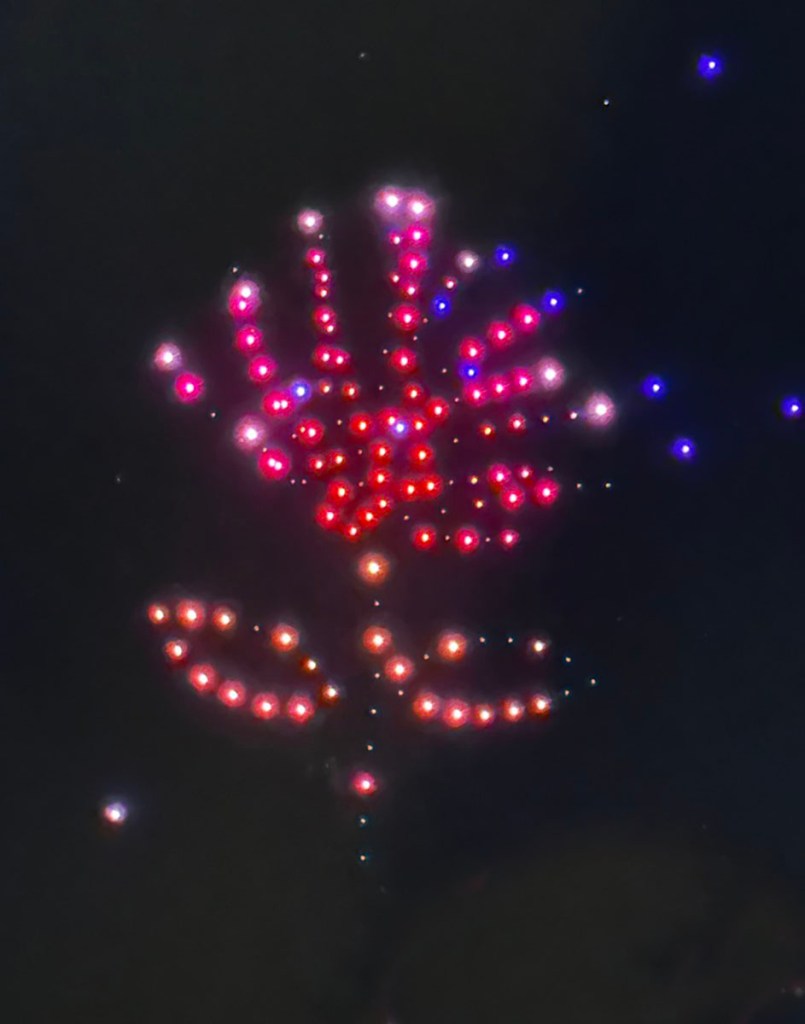
Drones form a pohutukawa flower


  It is winter here and it seemed like a good time for a visit to the spa.  I remembered our visit to Rotorua many years ago and thought, well, why not?  A seven-hour drive from home, it took us through the center of the North Island which is one of the most active volcanic areas in New Zealand.  There would be a lot to see along the way. 

            Rotorua is the Yellowstone of New Zealand.  Here they have geothermal pools, geysers and bubbling mud.  The air smells of sulfur.  There are many parks and reserves along the way where you can see the colored pools of hot sometimes boiling water.   Driving through the hills outside of town, you can see steam rising in the valleys giving the landscape an ethereal quality.  Even along the side of the road, steam rises from the drainage ditches. 

            In town there is a large geothermal park operated by the local tribe with hot bubbling mud, hot springs, and geysers.   But having seen it before, we chose to skip that attraction. Rather than looking at the geothermal waters we were going to get in them because there is nothing like relaxing in a natural thermal pools.  Our destination was Wai Ariki, a new spa built by the local tribe.  As it turned out by coincidence, I booked massages for the same weekend as Matariki.  The plan was to fit in Matariki and the spa in two days.  

            Matariki is the Māori New Year which coincides with reappearance of The Pleides or the Seven Sisters star cluster in the early morning sky. This happens on a cold day in June or July.  Matariki is a day for mourning those who passed away in the past year.  At dawn, the Māori gather and say the names of those who are deceased.  After that ceremony, the rest of the day is spent with family enjoying kai (food).   According to the Te Papa Museum,

Māori belief determines that when an individual dies, their spirit leaves their body and undertakes a journey along Te Ara Wairua, the pathway of the spirits. This journey ends at the northernmost point of the North Island at a place called Te Rerenga Wairua (the departing place of the spirits).  The dead travel along the rocky ledge towards the ocean where an ancient pōhutukawa tree stands.  They then descend the aka (root) of this tree and disappear into the underworld.  Below Te Aka, the long dry root of the pōhutakawa which does not quite reach the sea, is Maurianuku, the entrance to the underworld. Pōhutakawa is the whetū (star) that connects Matariki to the deceased and it is the reason why people would cry out the names of the dead and weep when Matariki was seen rising in the early morning.

https://www.tepapa.govt.nz/discover-collections/read-watch-play/matariki-maori-new-year/what-and-who-matariki/stars-matariki#

There are more details to the legends surrounding Matariki.  

The constellation known as “Te Waka o Rangi” is connected to the setting of Matariki.  Known by a variety of names based on regional kōrero (narrative), Te Waka o Rangi is a canoe with Matariki at the front and Tautoru, or Orion’s Belt, at the back. The waka (canoe) is captained by a star named Taramainuku, who casts his net each evening upon the Earth and hauls up the souls of those who have died that day.  He carries them along behind his waka for 11 months and then takes them to the underworld when the constellation sets next to the sun in May.  The constellation rises again in a month and Taramainuku releases the souls of the dead into the sky to become stars. 

https://matariki.twoa.ac.nz/the-setting-of-matariki/.     I like the idea of mourning loved ones and then watching them become stars.  

      In 2022, New Zealand declared Matariki a national holiday.  They are still trying to figure out how to have a celebration for the masses.  As I was looking at Matariki events in Rotorua, I saw that there was going to be a drone light show over Lake Rotorua.  A drone light show was new to us and it was fantastic!

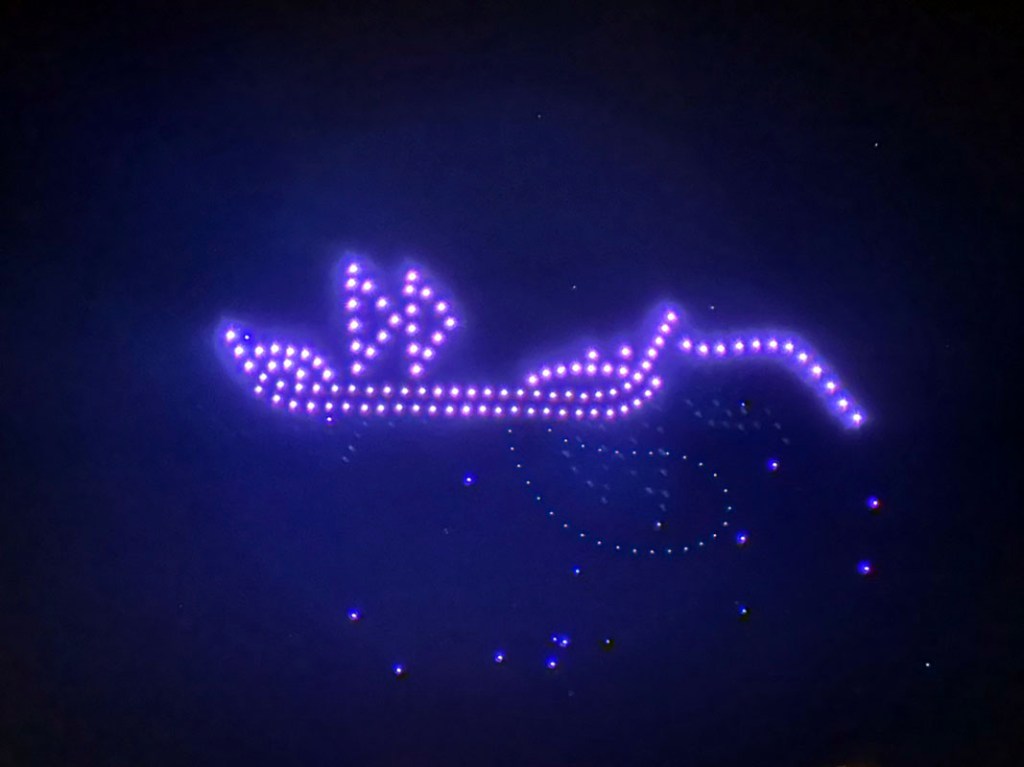
  One hundred and sixty drones quietly lifted off from the pier and buzzed into position to tell the story of Matariki by forming different figures and objects.  My favorite was the formation of Taramainuku’s boat and the release of the souls from the net. Here it is as depicted by the drones:
         

Here is a video someone posted on tik tok.  There were a lot of different characters like a large bird and flowers. Check out the video below:
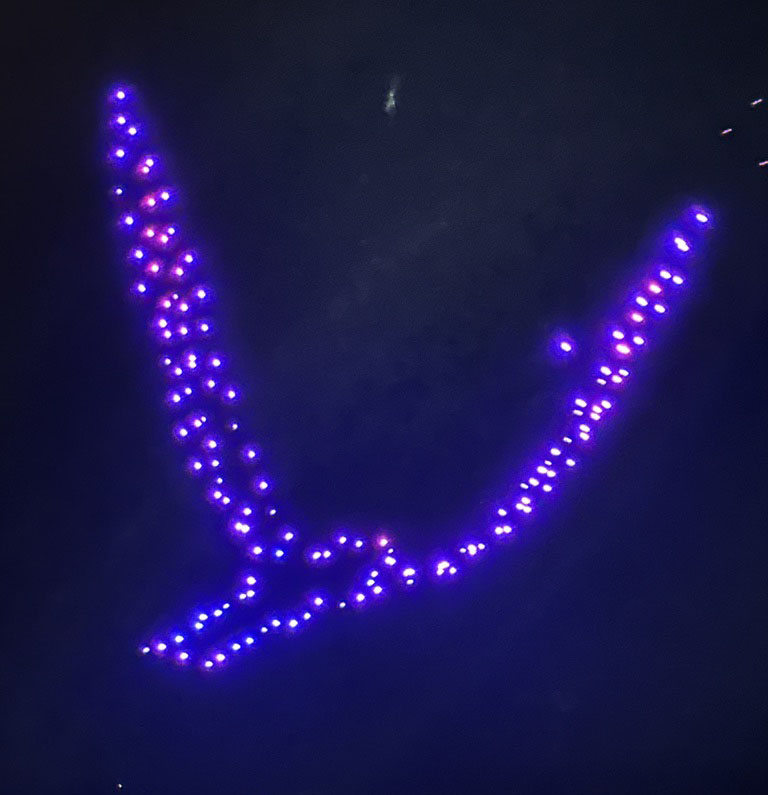
Drones form a flower. The voice is speaking Maori. He is explaining the legends.

 After we oohed and aahed over the drones, we sought out dinner.  When we traveled to New Zealand 20 years ago, Rotorua was a sleepy, quaint tourist spot but since then it has developed beyond recognition.  We were pointed in the direction of a restaurant row where we found Italian food, Mexican food, Irish bars, Thai food, and steak houses.  It all seemed aimed at American tourists.  That is reasonable given that Americans are likely the predominant visitors.  On the one hand, it is nice to find familiar food.  On the other hand, it is hard to pull it off.  We tried Italian and it was not bad.  Not great, but pretty good.  (Finding great Italian in NZ is a challenge.)   All in all, a pretty good Matariki.
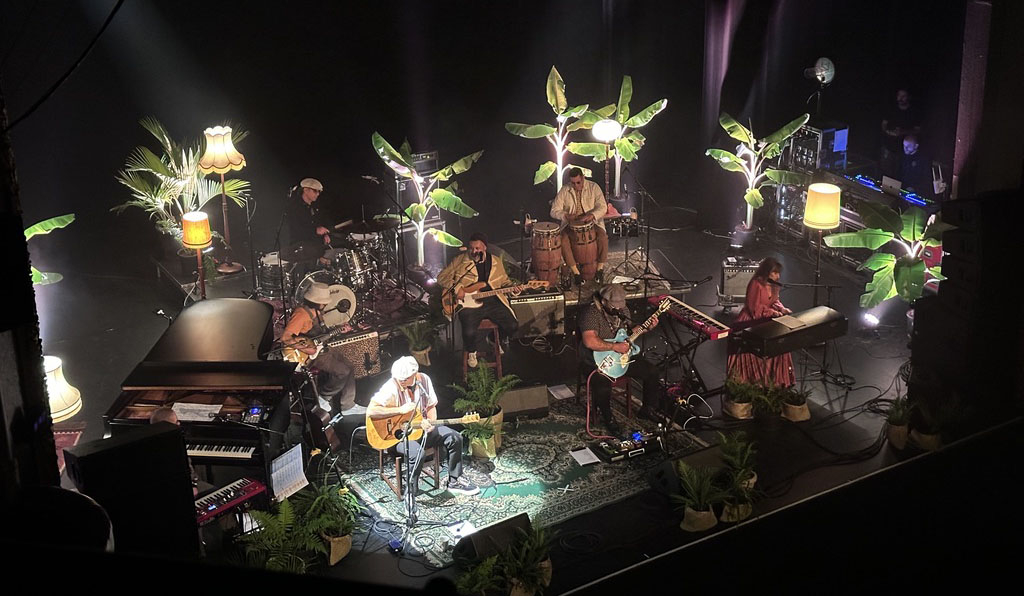
 Bill Withers Social Club


 Bill Withers.  You know his music.  “Lean on Me” must occupy a brain cell if you are a certain age.  Same with “Ain’t No Sunshine.”  He died recently and a group of Kiwi musicians developed a tribute show which we saw in Wellington. One, Dallas Tamaira, the singer for Fat Freddy’s Drop, was there.  He kind of sounds like Bill Withers.  It was a fun trip down memory lane.  

Excursion – Zealandia – a little piece of nature in the middle of Wellington

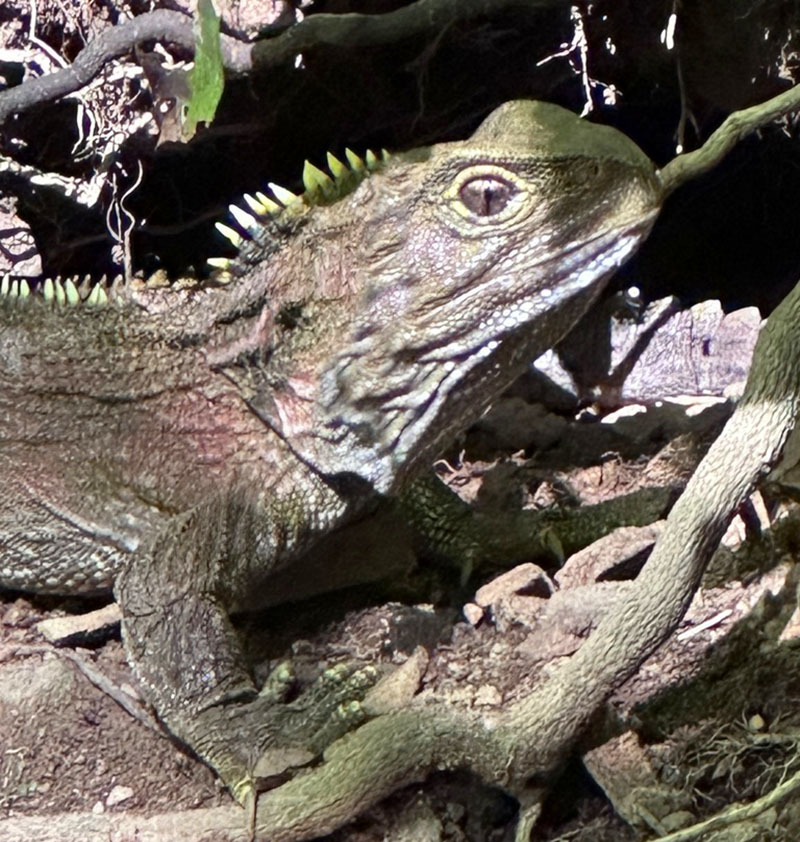
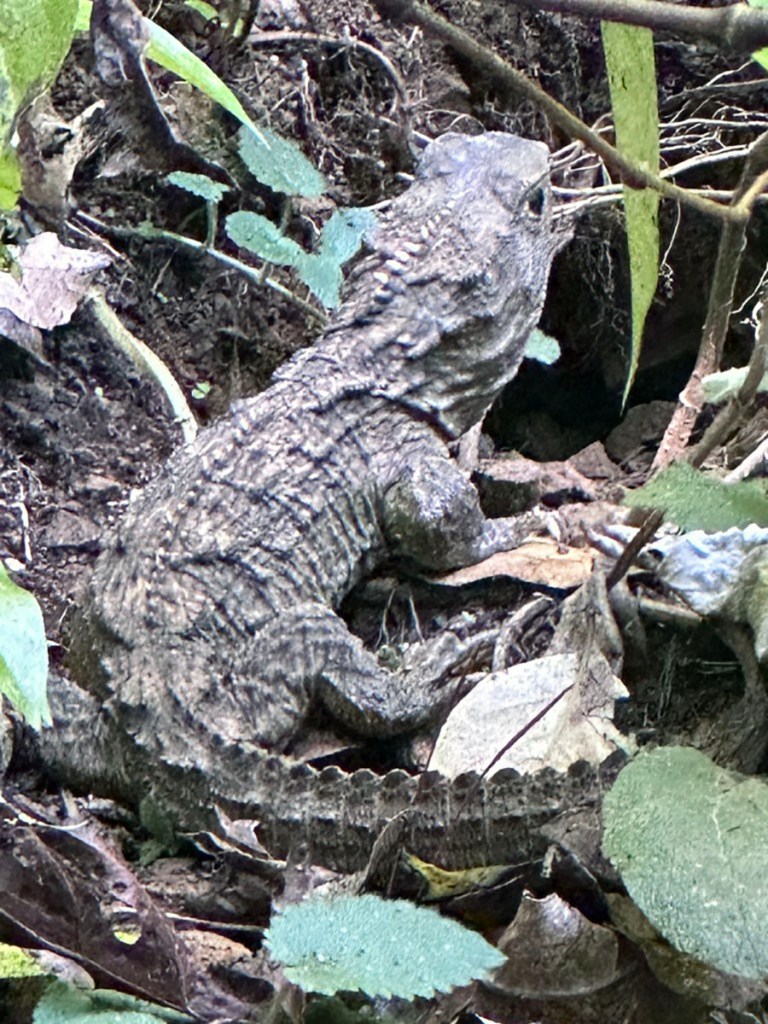
            Zealandia is another fenced predator free nature reserve located in Wellington.  It is fun to visit.  This time we went to see the tuatara, an endangered lizard endemic to New Zealand.  It is a little dinosaur that comes out when the sun is shining and, on this day, although it was winter, the air was warm and the sun bright.  Here he is in all his glory:


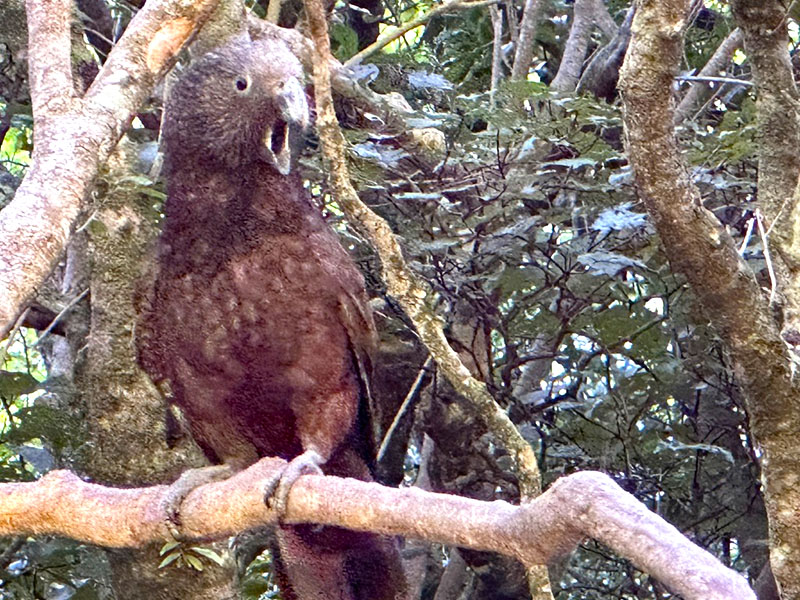
And just for fun, here is a kaka, a very large, parrot-like bird with the wit and brains of a crow. They squawk and are known for stealing food right off your table if they have the opportunity. The guide at Kapiti Island told us that they will size up visitors to figure out who they might sweet talk into giving them a treat. They had Matt in their sights. As we know, and as the kaka know, he is a softie.

What the heck. Another tuatara:

Excursions – A visit to Kapiti Island – All I can say is, it was mighty cold. 

The most photogenic sky on the planet

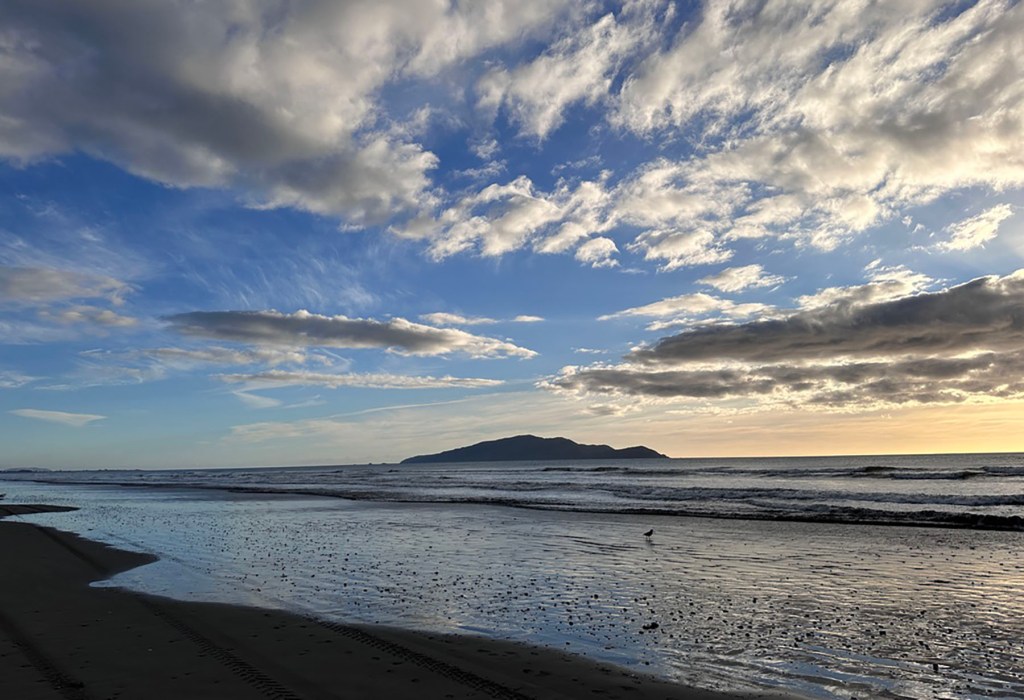
            We live on the Kapiti Coast.  Its namesake, Kapiti Island, is an island to the west that looms over the towns along coast.  We see it every day, in the distance.  This is what we see.


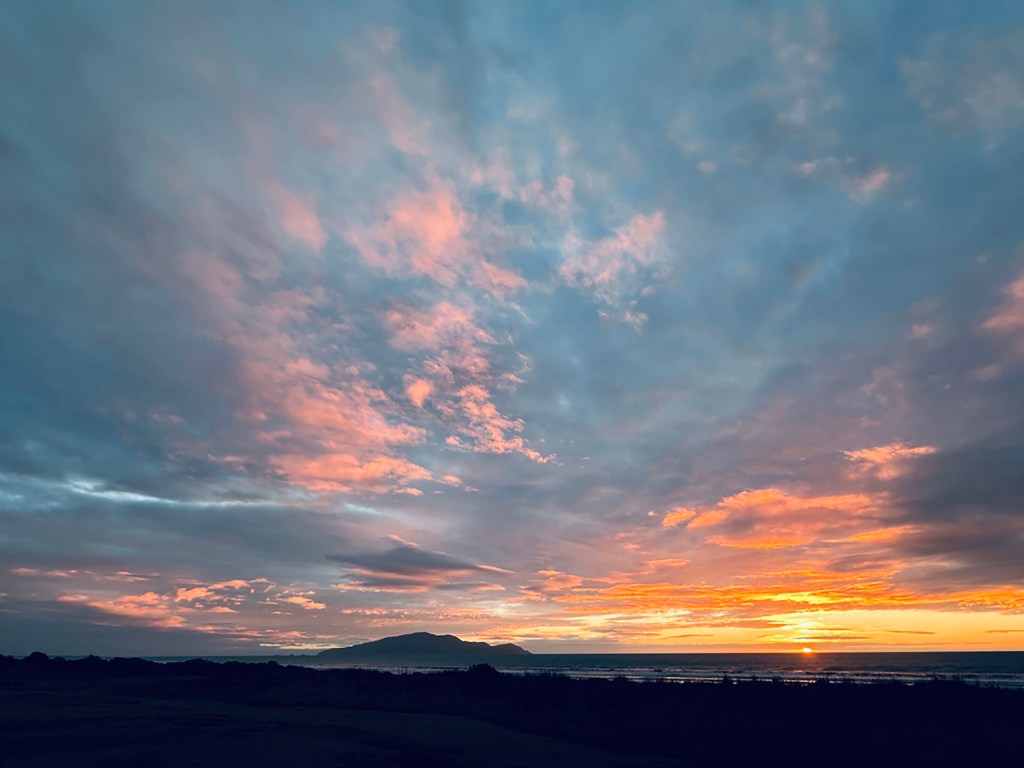
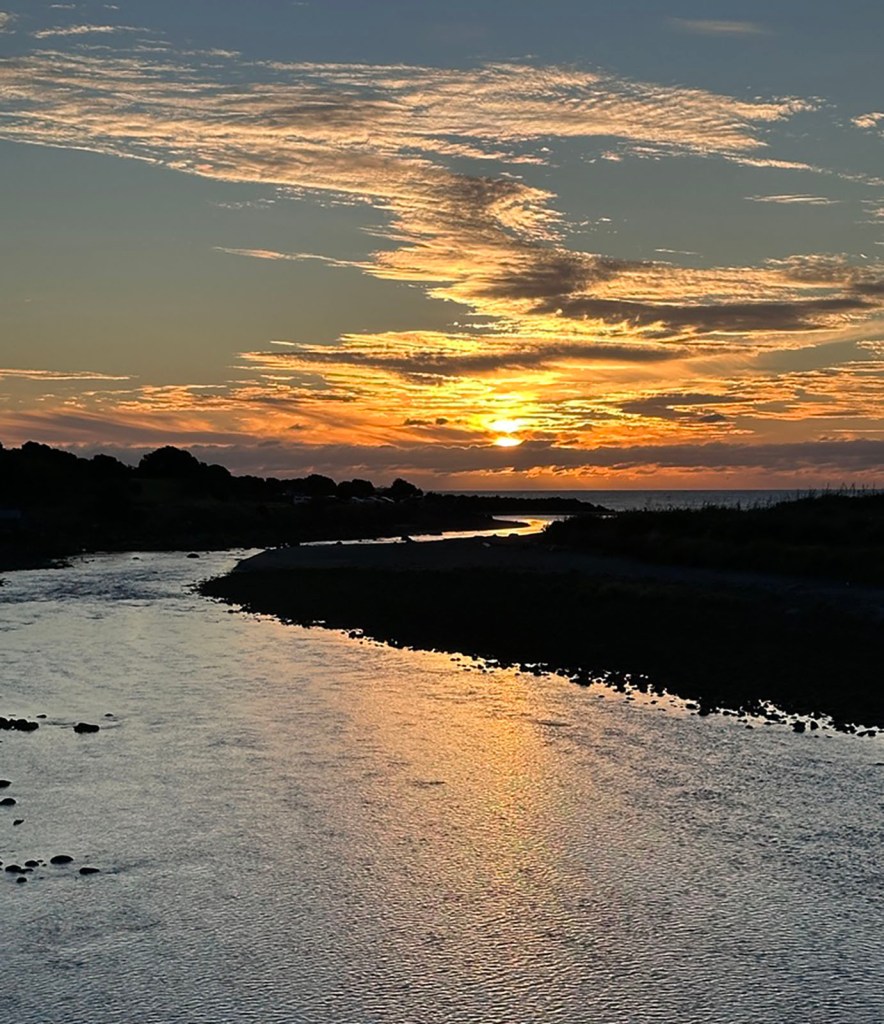
 Te Horo Beach where we live is known for its spectacular sunsets and I have taken hundreds of pictures of the island as it plays a supporting role in the sunset pictures like this:


  Looking at it all the time, I decided we had to go and visit.  The bulk of the island is a nature preserve.  The north end is privately owned by a Maori family.  Several generations ago, the matriarch of the family refused to sell her land to the Crown and good for her.  The family runs a rustic lodge/resort with cabins that are available for an overnight stay.  We thought it would be fun to visit there, take a tour of the island, see some birds, maybe even kiwi.  We rented a cottage, the only place to stay there that came with a private bathroom and a wood stove.  It cost a lot, but we figured if we were making the effort to go, why not go in style?

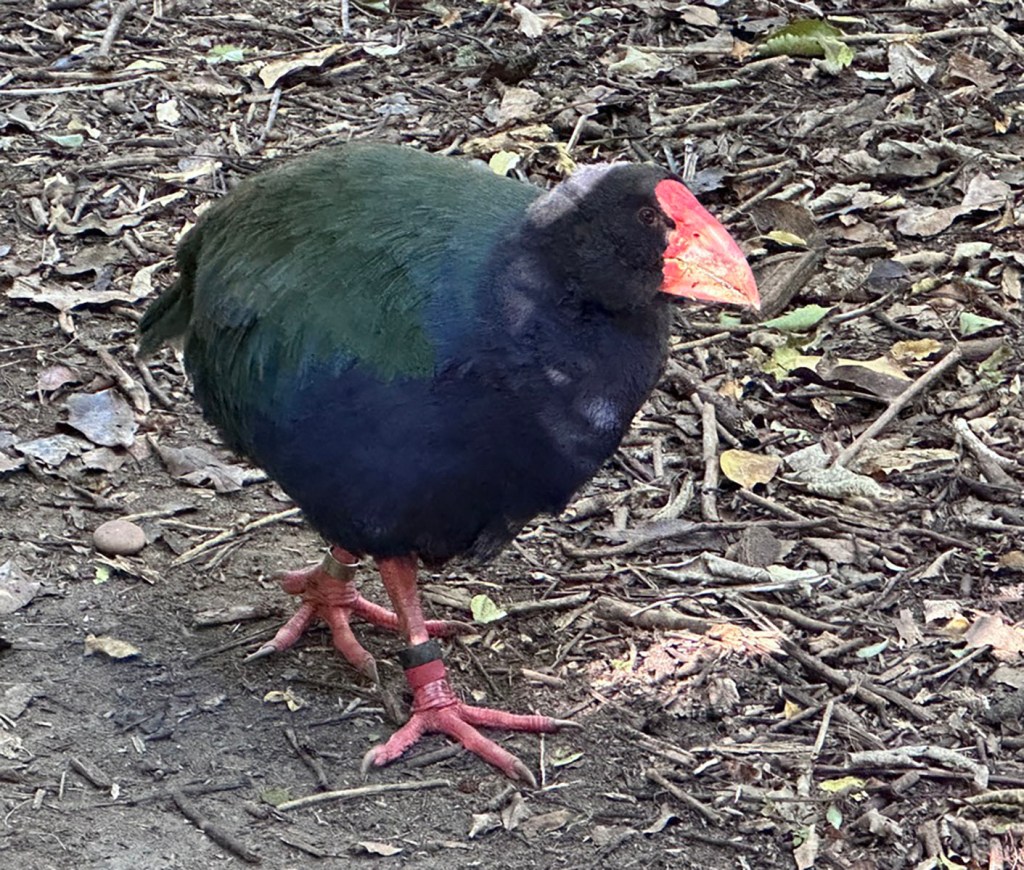
            We had picked a date in late fall, so there was a chance that it would be cool.  It was worse.  New Zealand was in the middle of a cold spell.  So we packed warm clothes and headed off.  We started the day with a boat ride to the south end of the island to tour the nature preserve.  The sun was shining and when that happens in New Zealand, it is warm no matter the season.  We walked a short trail and we saw a lot of birds, some new to us.  There were two takehe, flightless (no surprise) and endangered birds living in the wild.  Adorable:


  After a few hours, it was time to take a boat ride over to the lodge.  It was late and the sun was setting behind the island.  We sat on the beach waiting and waiting, freezing from the wind and lack of sunshine.  The boat finally showed up and we were on our way.  Once ashore, we walked to the lodge, really nothing more than a large house, for orientation.  

            We were asked to remove our shoes before entering.  This is a thing in New Zealand.  Everyone takes off their shoes before they enter a house.  Except us because we have not learned this rule.  It just never occurs to us.  The problem with this rule is that if it is cold, as it was on this day, you end up with ice blocks for feet.  They did not even have slippers to offer.  Even worse, Matt does not and cannot walk barefoot.  Ever.  So he asked to leave his shoes on.  Given the stink eye he received, you would think he was standing there in mud-caked boots and not fairly clean sandals.  But they relented and let him in.  

            After orientation we were shown to our cabin.  It was not heated but it did have a wood burning stove.  Since it was going to be a cold night, most likely below freezing, we asked if we could use the stove.  The answer was no.  No? No. They would provide us with and extra blankets and hot water bottles.  As I wrote previously, Kiwi houses, particularly older houses, have no insulation and only a stove for heat in a main living area.  Hot water bottles appear to be the Kiwi answer for keeping warm.  Stores stock mounds of hot water bottles in the winter.  

            The host also mentioned that we should avoid taking a shower if the sun was down because the water was heated by the sun. We would have hot water for the evening, but none in the morning. 

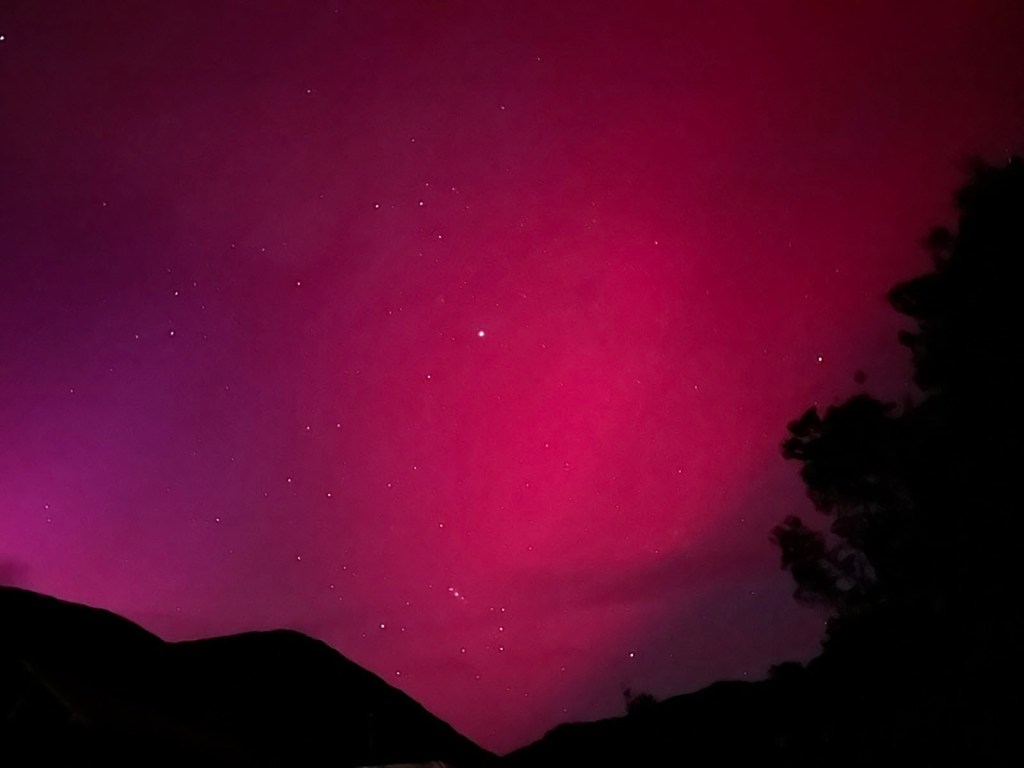
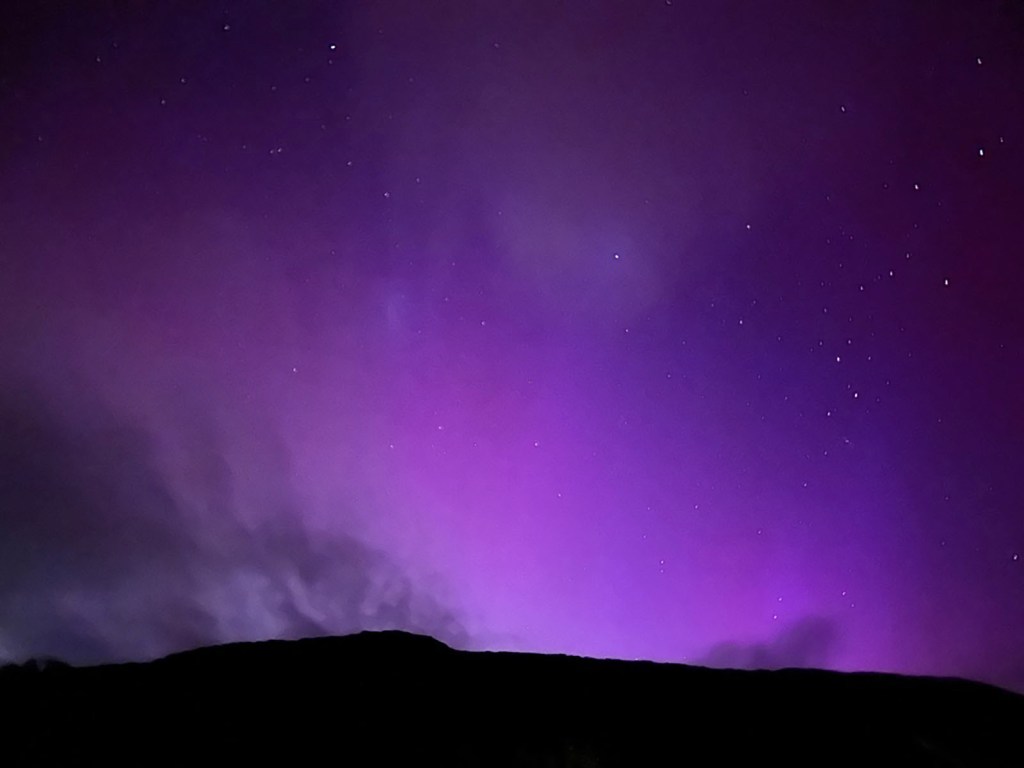
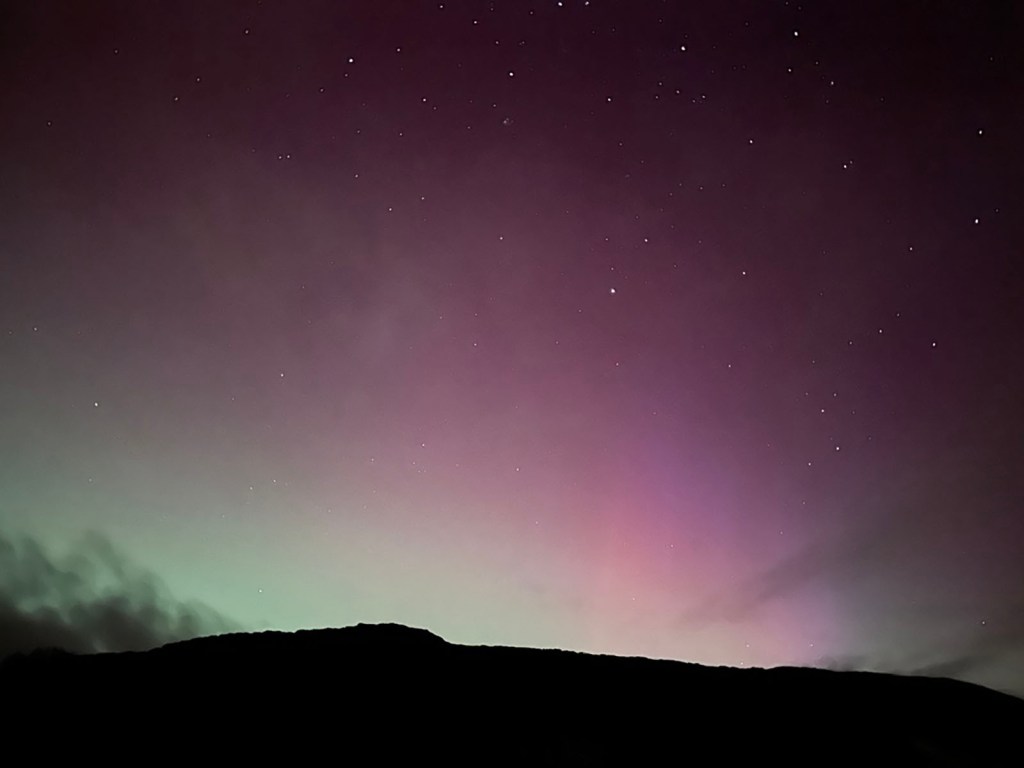
            We wandered over for dinner at the lodge where a fire was roaring in the stove.  Bastards.  The plan was for us to have dinner and then afterward go out to look for kiwis.  It was also the night when the sun sent auroras all over the world.  Even New Zealand lucked out.  We quickly ate dinner, small talk with the other guests included trying to explain the American election system, and then we all went outside for aurora viewing.  Even though our view was obstructed by the mountain, and we could only see part of the sky, it was fantastic. The color kept changing.


 After playing around with that for an hour, it was getting late and we had to look for kiwi.  We marched off into the darkness, quietly stepping so the kiwi would not be alarmed.  It did not matter.  We did not see a feather.  The last stop on our kiwi walk was our cold and miserable cabin.  

We took her up on her suggestion and decided a hot shower would help. But when we tried to shower, nothing came out of the tap, not in the bath, not in the kitchen. There was no hot water any and everyone had gone to bed. So here we were in our little cabin, the special one we paid extra for, with no heat and no hot water to take the chill off.  I was, how shall I say? Angry?  But there was absolutely nothing we could do about it.  Fully dressed, including a hat, buried under three blankets, and tightly hugging my hot water bottle, I tried to fall asleep.  That was pointless.  It was cold.  Matt fared no better.  We woke up at dawn, and still no hot water.  Not even a drip.  I marched over to the lodge to locate the manager.  When I told her we had no hot water she responded, “Oh. I forgot to turn it on.”  So, I asked, are you telling me that the public showers had hot water?  “Yes. Were you cold?”  I wanted to scream at her, “of course I was cold you moron.”  But I didn’t.  I simply said we would be taking the first boat out.  We need to get back to our warm house where we have hot water and a gas burning stove.  I think it is fair to say that we will never visit Kapiti Island again.  


Excursions Around New Zealand – Taranaki – A Dormant Volcano and Lots and Lots of Cows

We vacationed in New Zealand for three weeks in 2005.  We traveled both islands by car, train and boat.  But we still missed a lot.  We are using the weekends to visit new places.  


 New Zealand is located along the Ring of Fire, a circular area surrounding the Pacific Ocean where the Earth’s tectonic plates are subducting or sliding under another plate causing havoc.  The Ring encompasses the West Coasts of North and South America, the east coast of Asian countries such as Japan and several islands in the Southern Ocean including Indonesia and New Zealand. (Hawaii is not along the ring, nor is Iceland.  They have their own problems.). The lands located on the Ring are home to the vast majority of volcanoes on Earth, both dormant and active.  Most earthquakes that occur in the world are located in this area too.

            New Zealand is emblematic.  As for earthquakes, it is a rare day that an earthquake is not recorded on at least one of the two islands.   New Zealand has many volcanoes, extinct, dormant and active. There are three types of volcanoes in New Zealand: cone, caldera, and volcanic fields.  A volcanic field is what it sounds like—small volcanoes spread out in an area with any one erupting haphazardly. There are currently eight active volcanoes all located on the North Island.  https://www.gns.cri.nz/our-science/natural-hazards-and-risks/volcanoes/new-zealands-volcanoes/.  

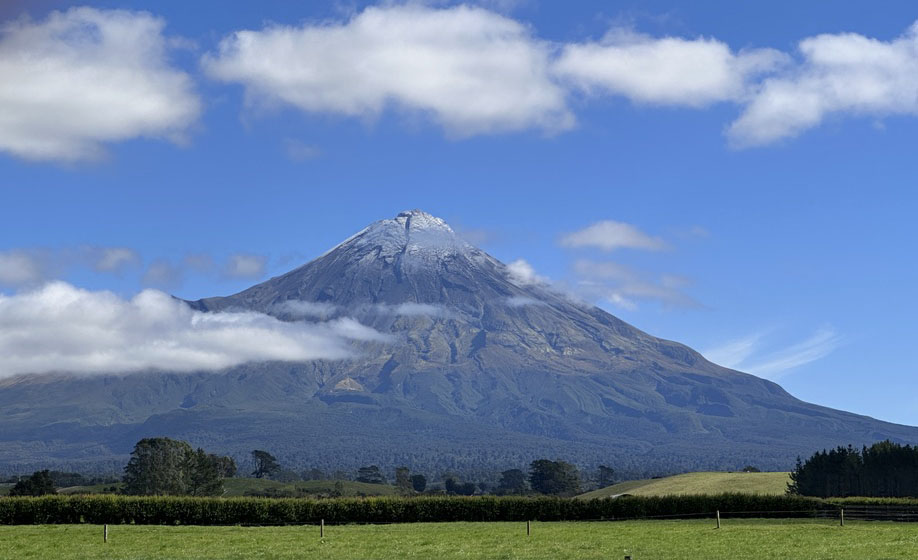
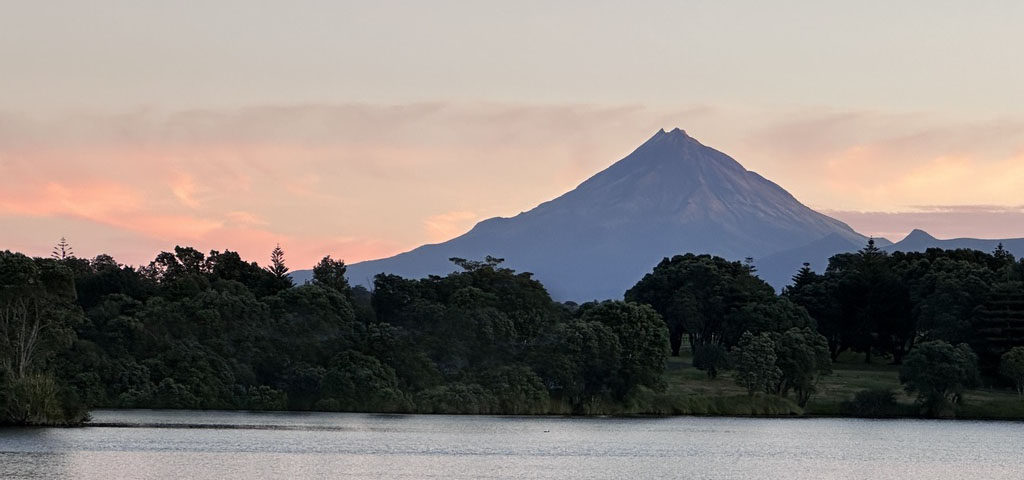
            We decided to visit one of the volcanoes.  Taranaki is currently dormant, having last erupted in 1755.  It is centered in the Taranaki region, part of the western coast of the North Island a region that juts into the Tasman Sea and which is also known as the Surf Coast. (We will get to that.).  Not quite Mount Doom, (that would be Ngauruhoe) but more resemblant of Japan’s Mount Fuji, Taranaki is a beautiful cone, often snow covered, circled by vast plains formed from previous eruptions.  

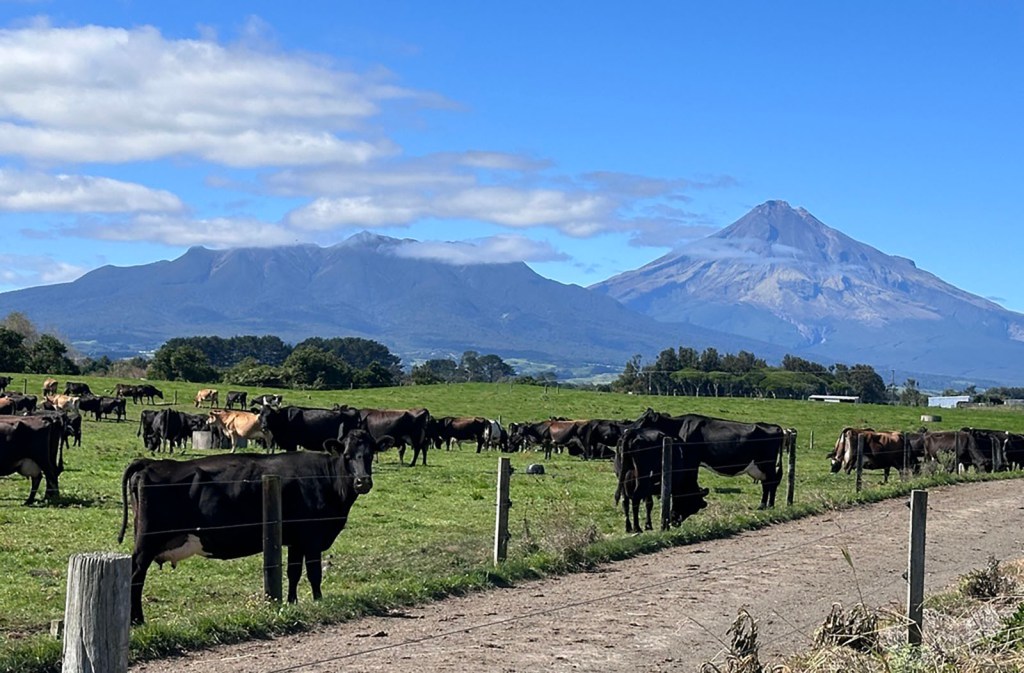
            We stayed in New Plymouth, the city nearest Taranaki, for some sightseeing.  New Zealand is rural and multi-lane turnpikes or highways do not criss-cross the country.  Getting from here to there outside of the city usually means traveling two lane highways.  This two-hour drive took us through small towns and past more cows that I have ever seen in my life.  Dairy cows mostly, milk production is a huge industry here.  There were some sheep farms.  But the Taranaki region seems to be cow central.  

            Our first stop was Egmont National Park, home to Taranaki.  The plan was to simply drive as close to the top as we could get.  It turns out, it was not close enough.  So Matt gamely agreed to hike further up the mountain to get a good vantage point of the summit.  He would go as far as he could.  
            New Zealand is a place where the weather can turn very quickly and the day went from a pleasant, warm, sunny day to a cold, partly cloudy day with a strong, brisk wind that easily penetrated our clothes.  It was cold!  We were clearly not prepared for a walk up a mountain.  The gift shop was prepared for unprepared people like us.  We bought heavier jackets and thank goodness because the higher we climbed, the more forceful the wind became. 

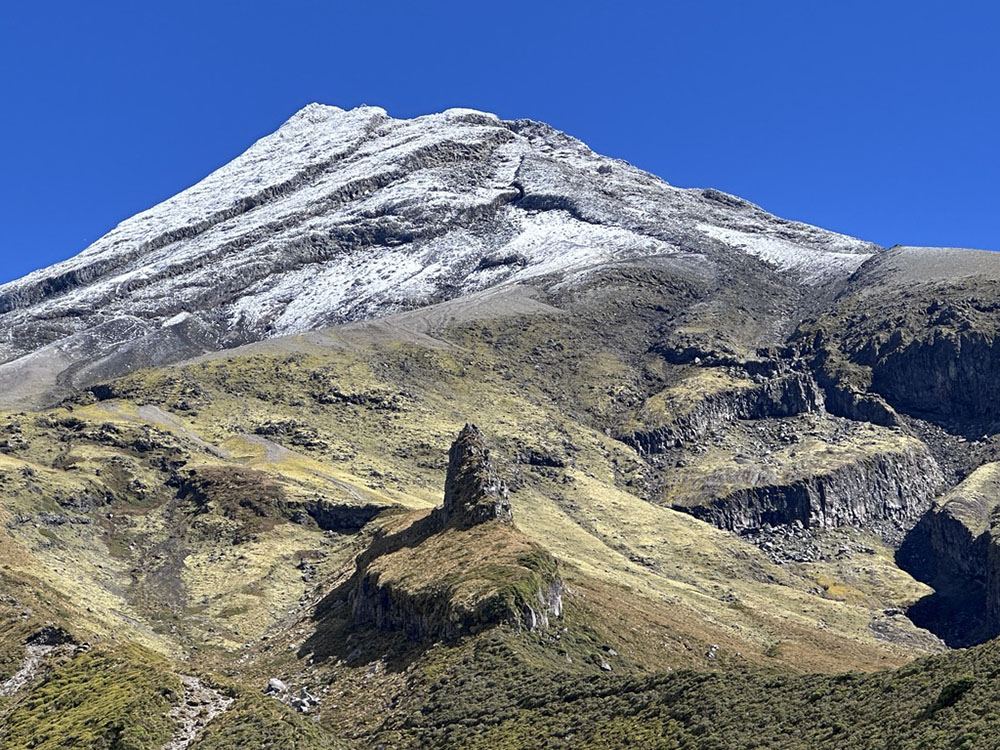
            Matt made it to the overlook.  He did a great job. It was a 4k hike or, in NZ jargon, a “walk” (as opposed to a “tramp” which is akin to a trek for us).   I continued further up the path to a clearing where there was a good view of the summit.  During most of the climb, being under cover of the bush, we were protected from the wind.  As I rounded a large boulder and stepped into the clearing, I was hit with a gust that nearly knocked me off my feet.  In front of me was the summit. While I hung on trying not to be bowled over by the wind, three younger adults were merrily taking photos of each other, seemingly oblivious to the cold and gale force winds.  I snapped a few photos and went back to the shelter of the trail.  


Tired of being cold, we drove back down the mountain and headed back to New Plymouth and our very warm hotel room.  

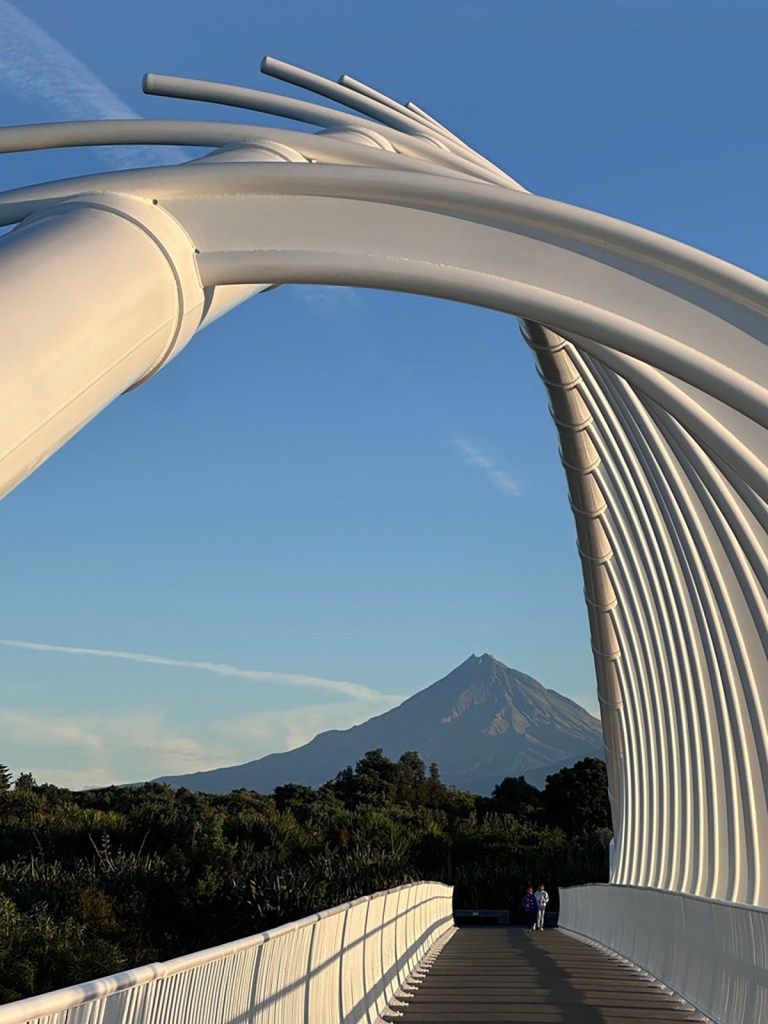
            New Plymouth is a coastal town, with aspirations to be an art center.  The most popular spot is the Coastal Walkway.  At one end is the gorgeous Te Rewa Rewa Bridge.  I took a lot of photos of this bridge.  It was just fun to look at.  

We watched the sunset over Taranaki and from the bridge.  


The next day we visited the Rotokara Scenic Reserve to check out the birds.  New Zealand has no endemic predators.  There are no coyotes or foxes, bobcats or anything that can eat a deer.  When you walk in the woods here, you’ll find only birds and a couple of reptiles. Invasive mammals such as stoats (ferret), possums, rats, and cats have made homes in the wild.  These predators prey mostly on birds.  The problem is that New Zealand birds have not evolved in an environment with predators so many of them do not fly.  Why fly if no one is out to get you?  As a consequence, they are vulnerable to these invasive species who feast on the birds and their eggs.  This kind of pressure has driven many of their birds to near extinction.  

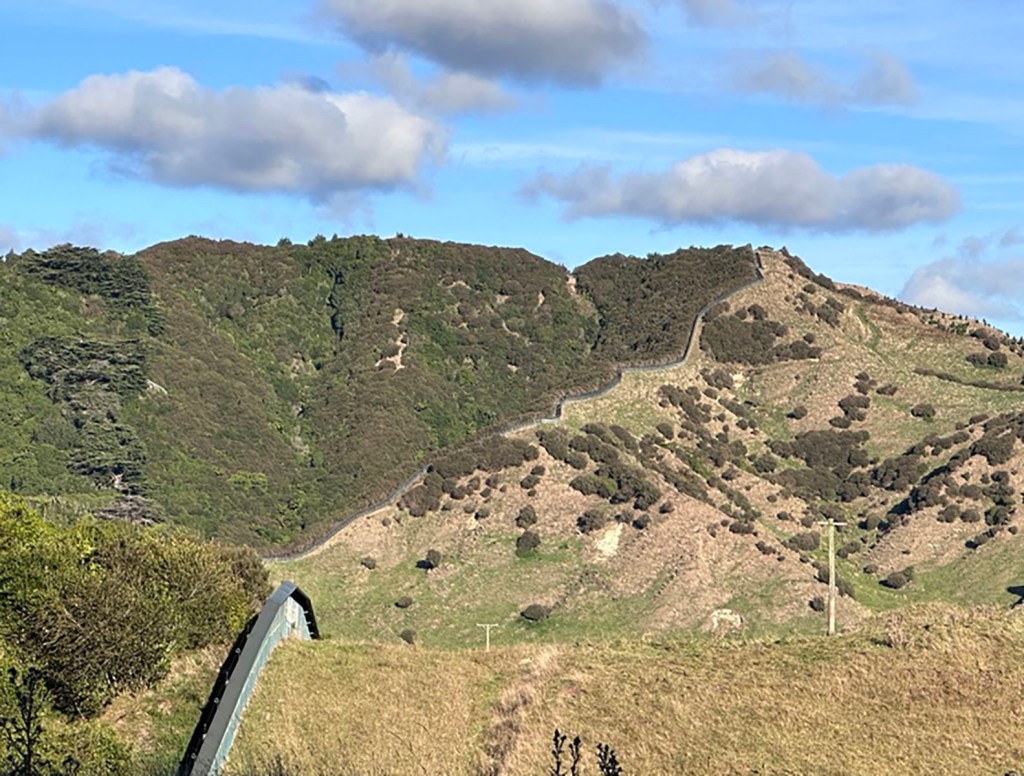
            To combat the invasive species, there are a few parks in New Zealand that are predator free.  What does that mean?  They build very tall fences that are impassable to small animals.  The area inside the fence is then methodically cleared of predators and pests.  Once cleared, the birds thrive.  

            Here is the picture of the fence at Rotokara.  

The fence is like the Great Wall, a monstrous structure traveling over hill and dale.  What you can really see in the photo is a before and after view of the land, pre- and post- agricultural clearing by the settlers.  A large part of this country was cleared of Native bush to make way for agriculture.  Inside the fence you see the native bush, and outside the fence, farm and grazing land.  It is hard to believe the work that clearing this land must have entailed.    

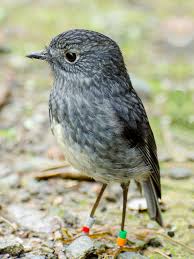
            On the walk around the lake, we managed to see a hihi, or stitch bird.  They can be elusive, so we were happy to check them off the list.  We also saw whiteheads and lots of other species.  The most fun is with the North Island robins.  

 They are small black and white birds birds that look nothing like our red breasted friends. They will come out of the bush to look at you curiously and say hello, and sometimes follow you down the path. As an aside, the birds in New Zealand are generally not colorful. They are mostly black and brown or dull colors like yellow or green. All meant to blend into the bush.  

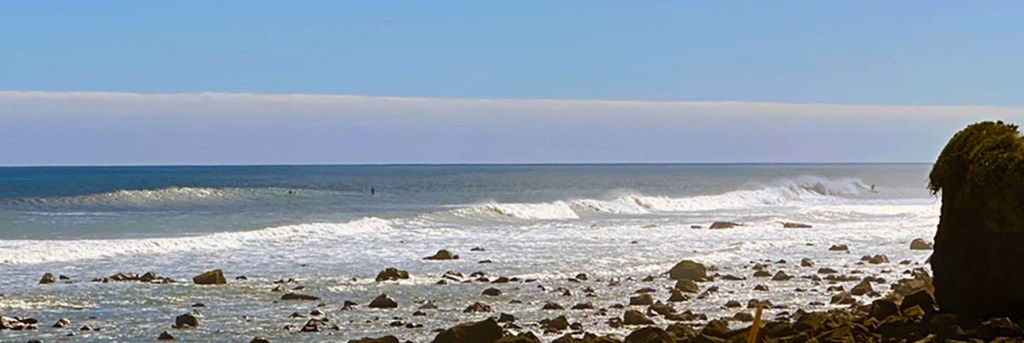
The next day we drove home along the surf coast. with its location, you would imagine there is a lot of surfing here. But the coasts are pretty rough–lots of rocks and hazards, and the seabed is not accommodating to big waves. But here in Taranaki, beautiful waves abound. We met a group of surfers, young boys heading to the beach. We followed them and chatted about America. They soon split off and headed for an area with an open beach. We watched from a distance.

And did I mention cows??? Here they are along the surf coast.

The Pukeko – Why Are They Road Kill?


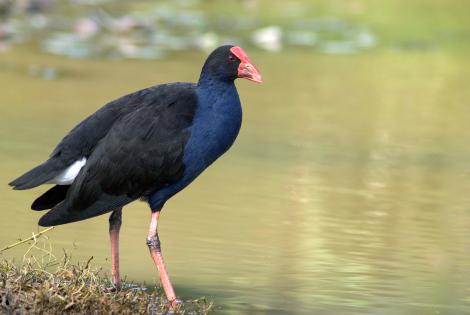
 This is a pukeko, a rather dumb chicken size bird that hangs out in the pastures and along the roadsides.  We have decided to find them charming.  I call them dumb because they often wander into the road when cars are coming.  Matt and I slow down or stop to let them pass.  That does not appear to be the New Zealand way.  Drivers get annoyed when we slow down or stop.  In fact, drivers do not stop at all if a pukeko is in the road.  People just seem to run them over without a care.  That means there are a lot of dead pukeko along and on the roads.  So I wrote to the local council to ask about this.  A few things to remember—farmers consider these birds pests and they are hunted to keep their populations in check.  (I am not sure if they are edible).  Even so, deliberately running over any animal, pest or not, strikes me as heartless and I wanted to express my concern and, frankly, disgust.

Here is the entire email exchange:

–––––––––––––––––––––––––––––––––––

December 15, 2023

As a transplant here to the Kapiti Coast, and an American, let me say I am appalled at the number of pukeko that have been run over by cars on the local roads.  I live in Te Horo Beach and there are numerous dead birds on Te Horo Beach Road, Pukehamo Road, and the surrounding roads including Old SH 1. In the spring there were numerous pukeko in the fields, and now there are few.  

Is this some kind of tradition, to run over birds on purpose?  Because it sure does look like this is entirely purposeful.  Can someone please explain this to me?  I thought these birds were protected.  Is there anything the Council can do?


Marsha Schmidt
Te Horo Beach

––––––––––––––––––––––––––––––––––––––

December 18, 2023

Kia ora Marsha

In response to your enquiry of the Pukeko. 

  1. It is not a New Zealand tradition to run over any animal on our roads.
  2. The Pukeko are not indigenous to New Zealand, therefore it is not a protected species.

Council is not responsible for the death of the Pukeko on public roads. I would suggest maybe contacting Game and Fishing for further information.

Kind regards

Compliance Officer

––––––––––––––––––––––––––––––––––––––––––––

December 26, 2023

Thank you for your response.  The pukeko is indeed a bird native  to New Zealand.  See https://fishandgame.org.nz/taranaki/game-bird-hunting-in-new-zealand/new-zealand-game-bird-species/pukeko/

 While I understand that many think they are pests, I have witnessed drivers running over the birds without even a tap on the brakes.  So it sure does seem to me that this is thought to be normal—to run over the birds without a thought.

I am not sure I understand why the council cannot remind people these are living creatures who do not deserve to be flattened for no reason.  Yes, they cross the road haphazardly but even so, stepping on the brakes is not too much to ask.

Marsha Schmidt

—————————

That was the end of that dialogue. The birds continue to be flattened.

            KFC – The Kiwis Love it.


KFC has invaded New Zealand and they are crazy about the Colonel’s chicken.  There are stores everywhere.  

Matt knew someone who swore that one particular KFC outlet had better chicken than other stores and he drove out of his way to get it. Matt kind of laughed but this guy really believed it. How do you explain the methods used to guarantee the uniformity of fast food?

When I was buying my car, the salesman, knowing I was from the U.S., asked whether I liked KFC because he loved it.  I confessed that I had not eaten Kentucky Fried Chicken in decades.  This puzzled him.  I told him I was not really a fast-food person.  This was also puzzling to him.  Apparently, we have the reputation of living off food from places like McDonalds and Pizza Hut and now, KFC.  And why wouldn’t we since we export all of that junk to the rest of the world?  

One thing that really messed with him was portion sizes. He could not believe how big the portions were. I regaled him with stories about the 7-Eleven Big Gulp and the even larger drinks they offered. He had never heard such tales and puzzled over that too. “You mean they sip on that drink all day?” Yes, I said, many people do just that. “Doesn’t it get warm?” Yes, I responded it becomes just a big cup of warm sugar water. He grimaced.

That was so depressing that I have decided it is best to just avoid the topic all together. There is no explaining American fast food.

(As an aside, I can remember vividly when, on days she did not have time to make dinner, my mother stopped for Kentucky Fried Chicken, as it was then called. We loved it then, and maybe if I tried it now, I’d love it just as much. I am not sure. But not the sides. No. That gravy was never, ever good. Even the Colonel agreed with that point. See this article.)

 Bare Feet – The Kiwi Tradition

            In the summer, some New Zealanders prefer to go barefoot.  Not just at the beach.  But everywhere–concerts, sporting events, shops, city streets.  You will not find a sign that says, “NO Shoes.  NO Shirt.  NO Service.”  Instead, it might read: “NO Shoes.  NO Shirt.  NO problem.”

  We were warned by our relocation mentor that we would see this because it is a tradition.  She was kind of embarrassed and wanted us to not be surprised by it.  Indeed, it is hard to actually watch some guy lumbering through the grocery store without shoesand dirty feet for all to see.  All I can think is: buddy, can’t you at least try sandals or flip flops (they call them “jandels”).  Something? Anything?  

            I know you can see people in bare feet when visiting tropical isles (actually you are more likely to see them in flip flops or rubber sandals).  But, to be clear, this is not the tropics.  The attitude seems to be that summer is short and this is the way to enjoy it—no shoes.  When I was a kid, I rarely wore shoes.  If I was wearing shoes, I was wearing flip flops (we called them thongs).  So I can sympathize and don’t think I am that delicate about it.  But there is something that bothers me about a grown person wandering around the streets and in stores in bare feet.  

            We have neighbors who walk in bare feet to the beach.  Okay, they are going to the beach.  That makes sense.  But I can’t understand how those feet can withstand the asphalt rendered blazing hot on a clear summer day.  Nor can I understand the ability to walk on the rocky beach that is Te Horo.  This is not a few rocks here and there.  There is often a carpet of stones covering the sand.  This is what it looks like:

I mean, ouch! It is hard enough to walk on the stones with sandals let alone in bare feet.  The soles of their feet must be leather.  They are certainly hardier than mine.  It hurts me to think about it.  

 The Weird Things about Kiwi Houses 

  Every country has its own norms when it comes to house design.  But there are some real doozies here.  

            Screens.  When the sun is out, it can get very warm inside the house.  In the U.S. we would turn on the AC.  But unlike the U.S., central air or any kind of A/C system, “air con” as they call it here, is not a standard feature of most homes.  Some houses have it, at least the recently built, but older houses rely on opening the windows.  That seems reasonable right?  Well, here is the problem: the houses have no screens on the doors or windows.  We are baffled by this.  We have asked why, and the responses have ranged from a stare, an uncomfortable um, a chuckle, or a stab at an answer like—”we never open the windows because it is always cold here,” “we don’t have bugs” or my favorite, “windows come with screens?”  It is as if the idea of screened windows is something no one ever considered.  One person asked me if it was normal for Americans to have screens.  Yes, I assured him, yes.  In America, you don’t have windows without screens. 

            The lack of screens put us into a pickle.  We have indoor cats and without screens they are going to waltz right outside.  New Zealand cat owners let their cats roam free, and those same cats, being the apex predator here gladly decimate the bird population.  Since the cats go in and out, Kiwis can leave the doors and windows open without screens.  This was not going to work for us.  

            The second issue is flying invaders.  When the heat became intolerable, we opened a few windows.  This did not go well.  To the person who said they don’t have bugs here, I guess that is true, unless by bugs you mean flies, moths, bees, and gnats, of which they have plenty.  They sell a lot of toxic insect spray here for killing flying insects.  I just want to run around the store yelling, “No need to spray chemicals!  They do make screens!  Screens are not a luxury!  They are perfectly normal!”  But that is contrary to the culture—they don’t use screens here.  

            So what about the cats?  We tried locking the cats out of rooms with open windows, but all I did was worry that clever JoJo could get out.  I did some research and found a few companies who install screen systems that can be added onto the existing windows and doors.  They don’t look great, but they will do in a pinch.  So, in the end, we decided if we were going to be in this house for around two years, it was worth it to spring for screens because without them, there is no air.  

            Now that we have screens, we can open the windows and doors.  Air conditioning is not really necessary because it never gets that hot.  Letting in that ocean breeze has been magical.  Except for one small problem.  This is a really green place and the pollen count is usually high.  I miss the air filtering that comes with central air.  I think I am really allergic to New Zealand.  Ah-choo!

            Heat.  Heat is a weird thing here.  Many, many houses have nothing but a gas or log burning stove in the living room to heat the entire house.  Our house here in Te Horo Beach, a large two story, has only has a gas stove and believe me when I say, it does not warm the entire house.  Not even close.  And it can get cold here.  

            The attitude seems to be you’ll get used to the lack of heat.  One person told us that he bought an electric heater which seemed great.  But he was shocked when he went outside because it was way colder outside than it was inside, and he was not ready for it.  He was raised to think that indoor temps should be close to the outside temps.  You simply dress warmly, and you get used to it.  

            Yeah, we are not going to do that.  We have been living in a house with A/C and central heating for all of our adult lives.  I like to have a toasty comfy house.  We solved the problem pretty easily.  We bought electric heaters, which are lovely.  

            Dryers.  Ask any Kiwi whether they use a clothes dryer and they will assert with great pride that they only hang their clothes outside to dry.  Yes, in wet and windy New Zealand, the preferred clothes drying method is a clothesline.  I think to some extent this is part of the frugal nature of NZ citizens.  Hey, sunshine and wind are free.  Fair enough.  But with the weather, hanging clothes outside can be a hassle.  Matt tried this when he first came here.  He could never find a time when the weather held long enough to get the clothes dry.  One person told us that she dries her clothes outside because the wind will dry clothes in no time.  Add the intense sun and stuff dries in a flash.  But she admitted, she has to constantly watch the weather because it will change with no warning.  This leaves her running back and forth trying to manage the clothes.  

            We were not going to do that.  We bought a clothes dryer.  Most people think that is a luxury.  

            Water.  Water is a matter of great contention here.  Because New Zealand has always been green and fairly rainy, water has historically been taken for granted.  So much so that in Wellington, water is free.  Imagine not having to pay for water and sewer.  It seems great.  Until the rain stops and the water supply dries up.  Without steady rain, Wellington’s water supply becomes so insufficient that it has to resort to water rationing.  

            In trying to determine where the water goes, and why there is not enough, the local government found that about 25% of the water was lost from leaks in the system or in homes where inattention to running water, like leaving a garden hose on or letting the hose drip, adds up to an enormous amount of waste.  Without water bills, people have no incentive to address it.  The local Wellington government has floated the idea of charging for water but so far, there is no political will and certainly no support from the citizenry.

            Here on the Kapiti Coast, the local government had a similar problem and decided to institute water bills.  Nothing draconian.  Just a straight fee.  People lost their collective minds, voted out the politicians who imposed the bills, and some still resent it.  But it worked.  They no longer have to ration water here.  But this logic still does not fly with everyone.  Our fishing guide gave us a five-minute rant about refusing to buy water in a bottle and how water is a human right and should be free for all.  I guess he hasn’t heard of droughts or climate change.  

            For us, we are on a well with a large containment tank, filtering, and UV light treatment.  We seem to be okay.  But I understand that during dry spells people can run out of water here requiring a purchase of a tank of water to keep going.  Which just goes to show that even free water is not always free.  

March 16 – Trentham for the New Zealand Oaks

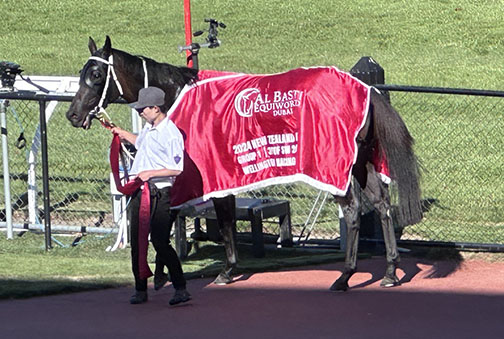
My horse is a winner!

I admit it, I love a horse race. Yes, I agree that there are significant issues with the treatment of horses and I certainly get upset when I learn of horses dying or being mortally injured. There needs to be far more policing of racing, that much is certain.

But still, seeing a horse race just brings tears to my eyes. (I cry about horses a lot. Don’t ask me why.). And New Zealand is horse crazy, at least where we live. There are horses everywhere. I have to believe that they care for them.

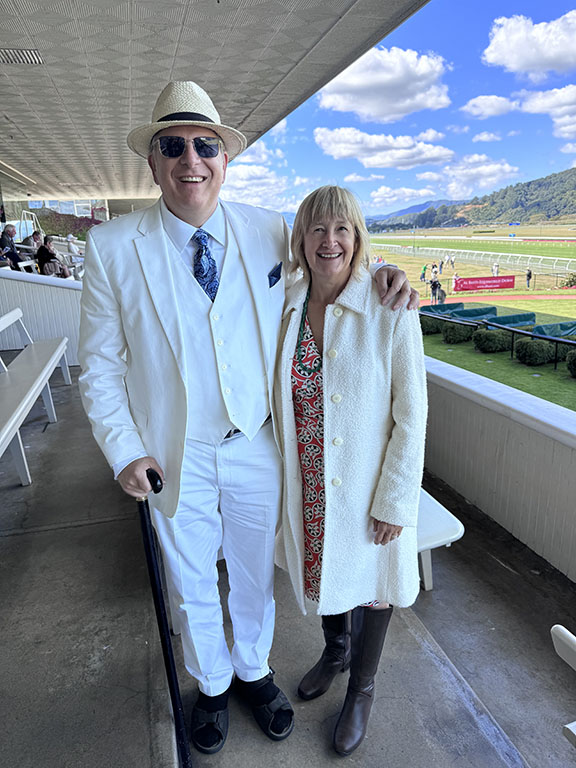
So when I randomly saw an advert for the New Zealand Oaks, I said, why not? The information said that proper horse racing day dress was required. So we went all in. A nice dress and jewelry for me. (No hat for me as the British ladies wear at Ascot. Not that I am against them. I love hats. I just don’t have any here.) Matt wore his white three piece suit with his straw hat. Matching blue shirt, tie and cuff links and of course his cane to make it all dapper.

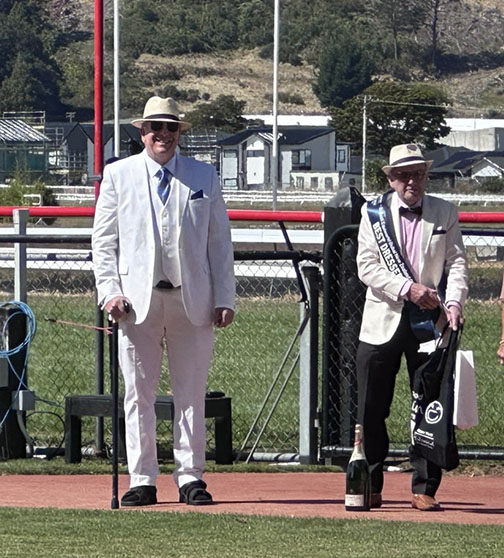
As we were trying to figure out where our seats were a woman came running up to Matt and asked him if he wanted to be in the best dressed contest. His response? I have been waiting for this all of my life. She rushed him to a waiting area as other contestants gathered. Then they were marched onto the lawn for the judges consideration. Incredibly, Matt lost to an older gentleman in an ill fitting suit and a bow tie. Look at this:

The guy on the right is best dressed? Seriously?

Well, Matt thinks the bow tie clinched it for the guy. All I can figure is that this gentleman had an in with the judges. For the rest of the day people were coming up to Matt telling him he was robbed and he was their pick as best dressed. So at least he won the people’s choice..

As for the races, I picked two winners, one won by a nose and went to photo review. I actually went home with money in my pocket. It was a beautiful day and we enjoyed it thoroughly.

Best dressed (per the people) and betting winner
Hello beautiful.

March 3 – Newtown Festival

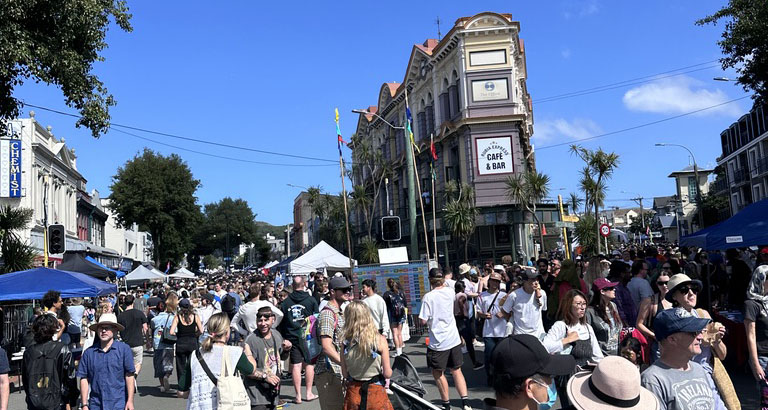
So many people – over 80,000 to be exact.

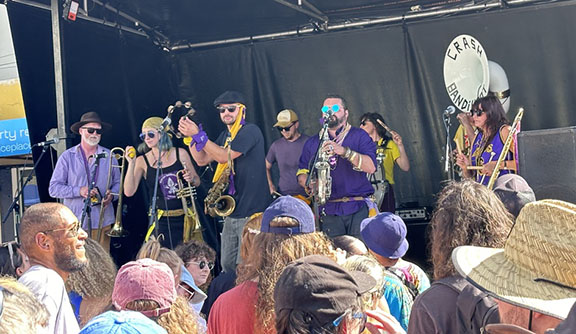
The largest free outdoor festival in New Zealand, we knew we had to go to the Newtown Festival. Newtown is the section of Wellington where the immigrants land. It is a vibrant mist mash of cultures, lots of fun to walk around in. They had 16 stages for music and over 400 vendors. It covered 11 city blocks. It was to some extent overwhelming but we dove in.

New Orleans Jazz Band – The Crash Bandits
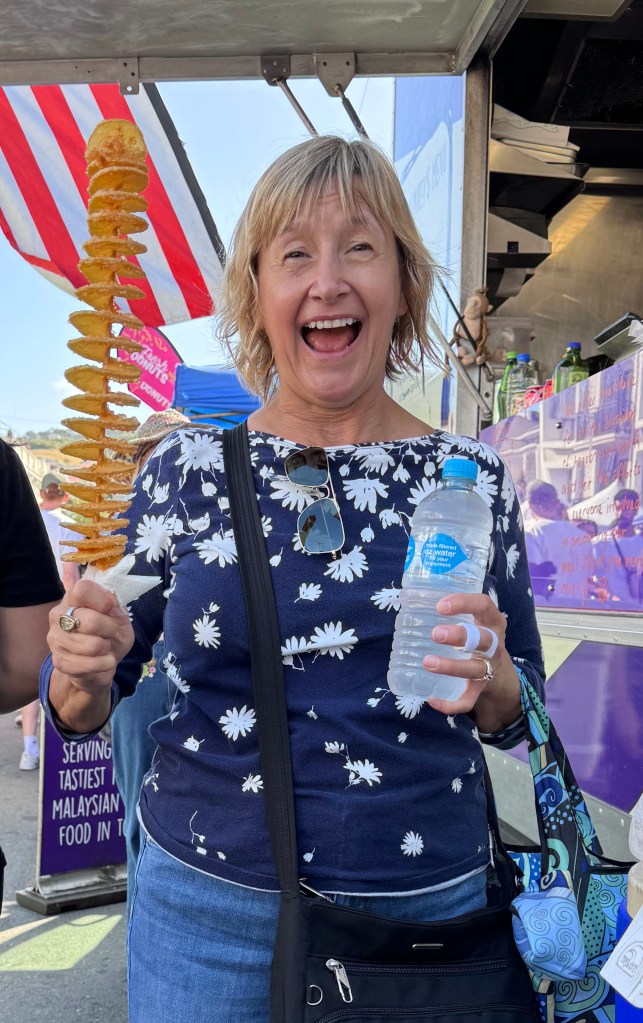
Who can resist a potato on a stick?

      February 15 – 20, 2024 – Matt and Marsha Take Melbourne – Part Three – The city doings and a beer run.

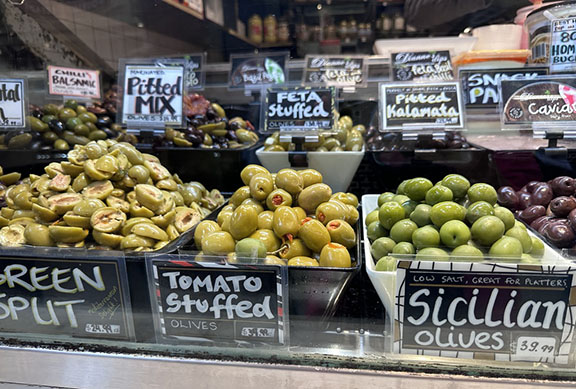
Queen Victoria Market – food heaven

                  We also bopped around Melbourne.  So much to report.  

   Beer Run.  There was one very important stop that was a must do— a special trip to a beer store. While the local craft beer here in New Zealand is very good, the imported beer selection is not great.  I was missing my Japanese and Spanish beers—Hitachino Nest and Alhambra.  I vowed that if they had the beer in Australia, I would bring some home.  Before we left, I asked Google for an answer, and I found a store that sold both.  We taxied out to the Richmond neighborhood, and there was our heaven.  We skipped through the store like two deprived kids oohing and aahing at all the beer from around the world.  We put together 16 bottles and lugged it home.  We were carrying so much beer, our luggage was overweight.  Oh well, it was worth it.  Second greatest beer run ever.  

            Dinner.  We ate omakase (a tasting menu) at Minamishima, a highly rated Japanese restaurant, where we enjoyed some rare and unusual sakes to accompany an interesting mix of small plates featuring tuna, eel, wagyu beef, golden eye snapper and flounder fin to name a few. We love gorging on Japanese food and sake. This was one of the better Japanese restaurants we have visited.

            Market.  We wandered around Queen Victoria Market, a monster food and retail market in downtown Melbourne.  

Made up of several buildings, with merchants offering everything from cheese to fruits to meats and sweets, t-shirts to cheap sunglasses to sheepskin everything, it would have been easy to spend the entire day wandering around.  Unfortunately, we were traveling and had no way to keep food cold.  Worse, New Zealand is strict about what comes in, so we could not pick up food to bring back home.  That was very disappointing because, guess what?  I love food.  It was like food heaven, but no, the customs Gods would not allow it. 

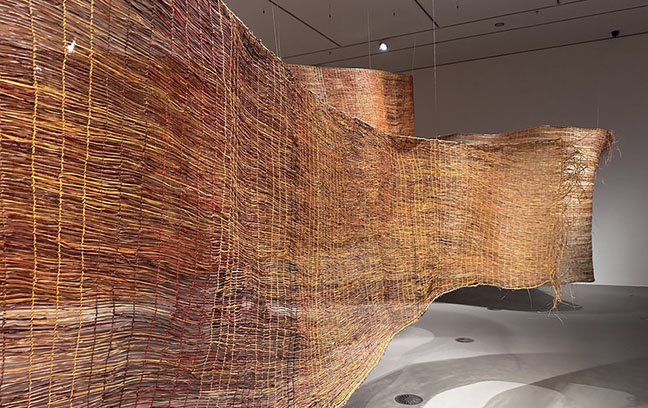
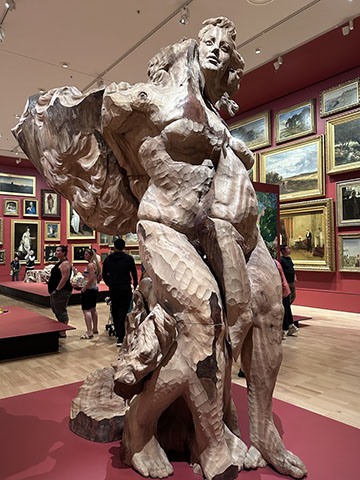
                     The Triennial and Avocados.  We also happened to be there for the National Gallery of Victoria’s Triennial, a multi-discipline exhibition of artists, projects, performance art, painting sculpture and so much more from all over the world.  We spent some time there.  (The granddaddy of this kind of art extravaganza is the Venice Biennale.).  

Here are some random photos of installations:

Just to be clear, this has been done before. For example, Yoko Ono famously met John Lennon when he visited an exhibit where she had on display an apple she had taken a bite out of. People do seem to go for this thing.
An entire room filled with a hand woven fish fence. https://www.ngv.vic.gov.au/triennial/artists-designers/mun-dirra-maningrida-fish-fence/
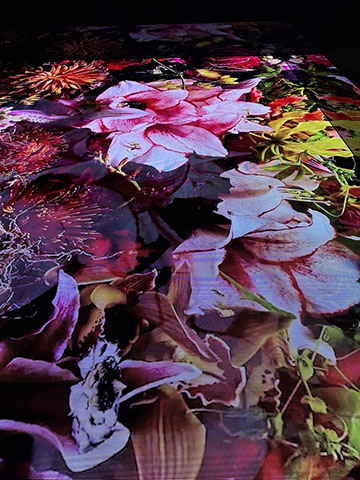
This artist explores nature by showing in a video the life cycle of flowers. Personally I think it is interesting. https://www.ngv.vic.gov.au/triennial/artists-designers/azuma-makoto/

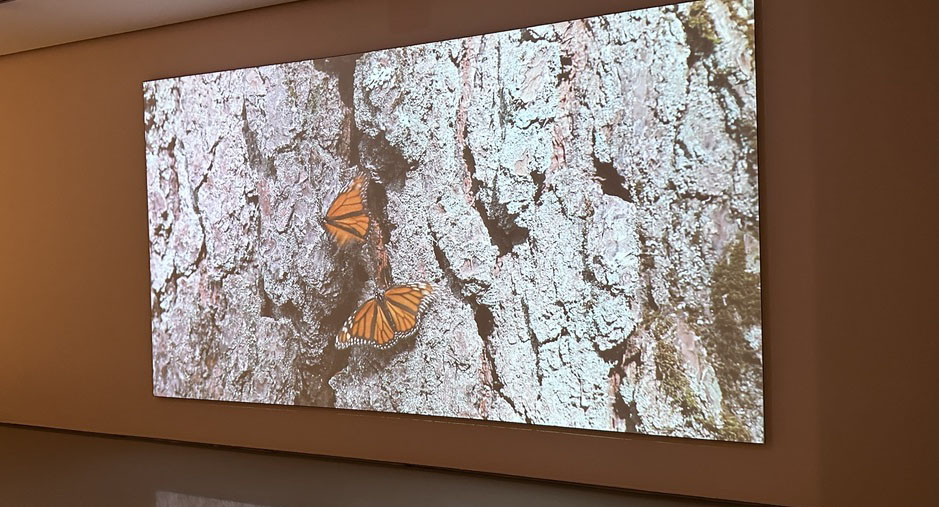
One exhibit, a documentary film, The Avocado Legacy, really has me concerned avocado farming in Mexico. The societal obsession with avocados (think avocado toast) has resulted in the industry exploding in Mexico.  While avocados are extremely popular and big business, avocado farming is intensely bad for the environment.  So much money can be made that forests are illegally logged by criminal cartels to clear the way for planting avocado trees.  This logging decimates the monarch habitat by cutting down their trees and filling acre upon acre of land with a monoculture.  You’ve seen pictures of the thousands of monarchs roosting in the trees at a preserve where they stay for the winter.  That habitat is being destroyed in the name of avocados.  

  The local women, who live with the forest and feel they have a connection to it and to the butterflies, were angry that the illegal logging was taking place and they banded together to take on the cartels.   While the women eventually prevailed by blocking roads and threatening the workers, an environmental advocate for the monarch habitat was murdered because he was so outspoken about the clearing of the native forest for avocados.  

 I had no idea of the impact of avocados on the environment and all I can say is, don’t eat avocados grown in Mexico.  


          Finis

February 15 – 20, 2024 – Matt and Marsha Take Melbourne – Part Two – There were actually other things to see and do.

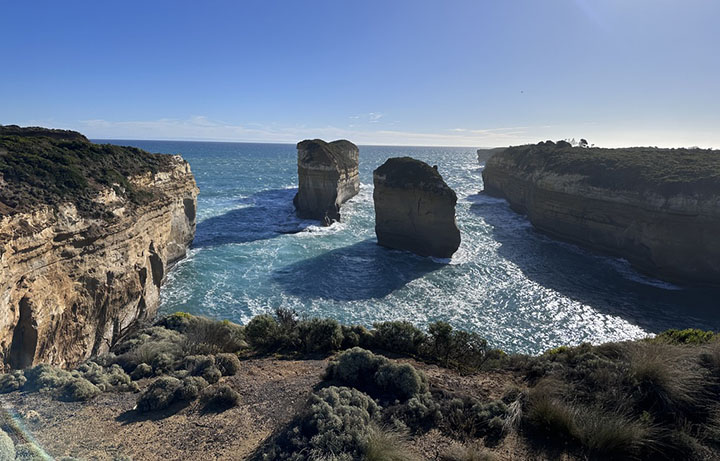
Detail of the top of a tower rock formed by erosion at Loch Ard Gorge

           We had never been to Melbourne or that area of Australia, so we did some sightseeing too.  Instead of renting a car we opted for bus day tours—one along the Great Ocean Road and the other to Phillips Island, where we watched Little Penguins waddle and petted a koala.  

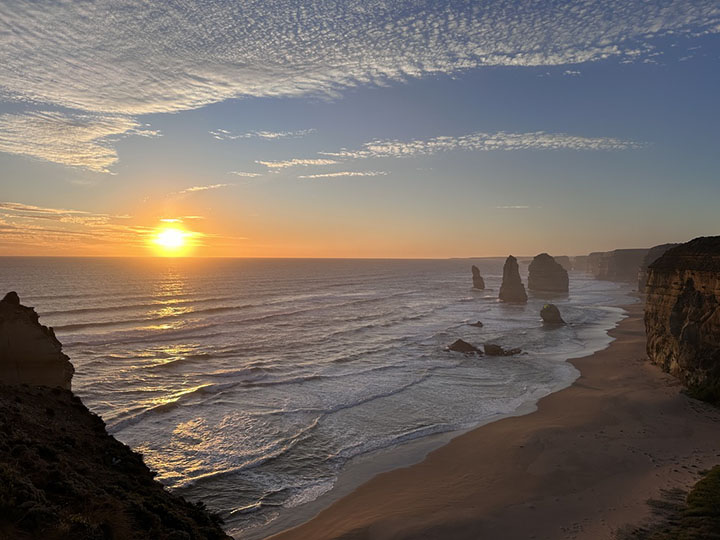
The Great Ocean Road follows a portion of the southeastern coast of Australia.  Built by returning soldiers after World War I, it is a gorgeous drive with spectacular ocean views.  With every turn of a bend, oooks and aaahs would erupt at the sight of waves crashing onto rocky coastlines, or at beaches stretched far into the distance with the sands playing off the clear blue water.  Our goal was a view of The Twelve Apostles, very photogenic rock formations, best seen at sunset.

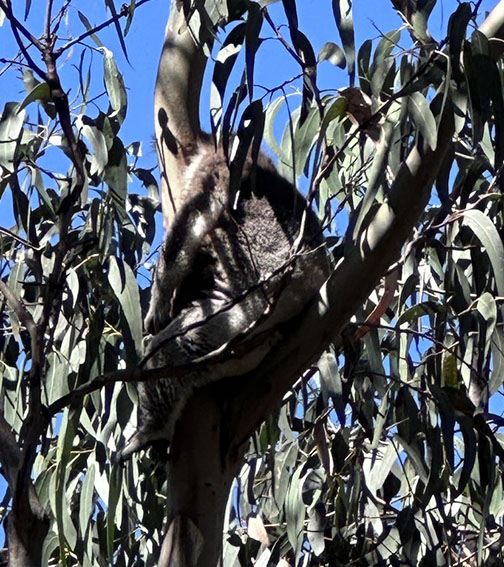
On the way, we stopped in Kennett River to see koalas in the wild and in fact we did see a koala being a koala.  Here he is sleeping in the crook of a tree.  

They are very, very tired most of the time. This has to do with their diet of eucalyptus.  The leaves don’t provide much in the way of energy (no carbs) so they are just zonked most of the time.  You can tell he just fell asleep in the middle of a meal. His back was to us, so the pic is not great.  But damn it, we saw one that was not in a zoo or sanctuary.

 We also stopped at Loch Ard Gorge, part of Port Campbell National Park, for some views of spectacular cliffs and roaring ocean.  


Hurrying along, we bolted down dinner in Port Campbell before racing off to see the Apostles at sunset.  At this point, there are only four stone pillars left, others having eroded and fallen into the sea.  I am not sure there ever were twelve.  To hear the tour guide, the name Twelve Apostles was a marketing gimmick.  No matter what they are called, it was hard to resist taking dozens of photos from every last angle.


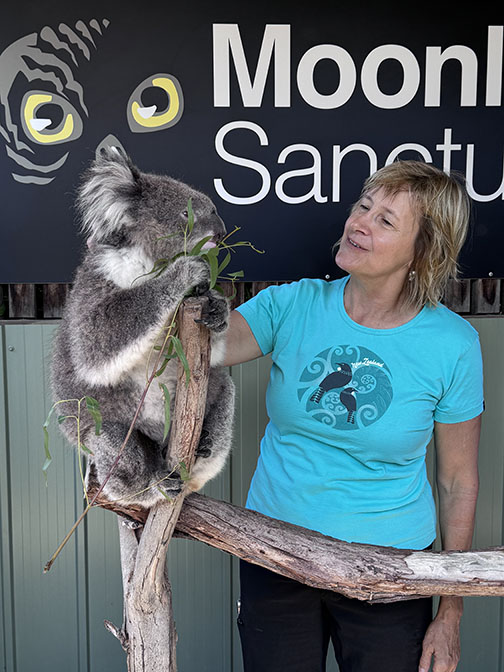
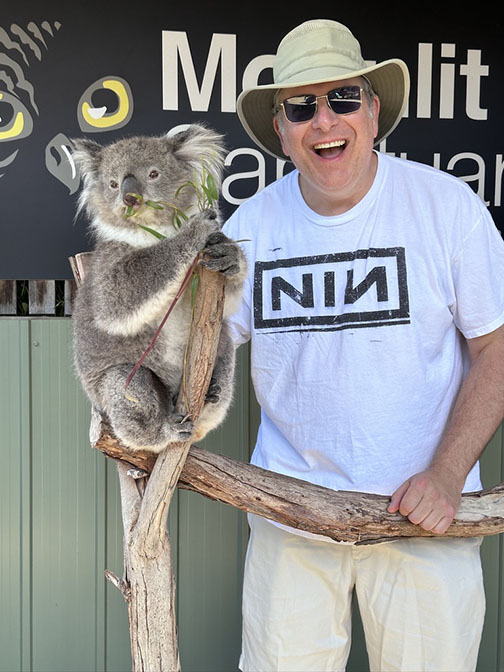
 In a separate tour, we headed to Phillips Island. First stop was Moonlit Sanctuary, home to native species, conservation efforts, and where we had a photo op with a koala. They are absolutely adorable and soft and easily distracted by eucalyptus leaves.

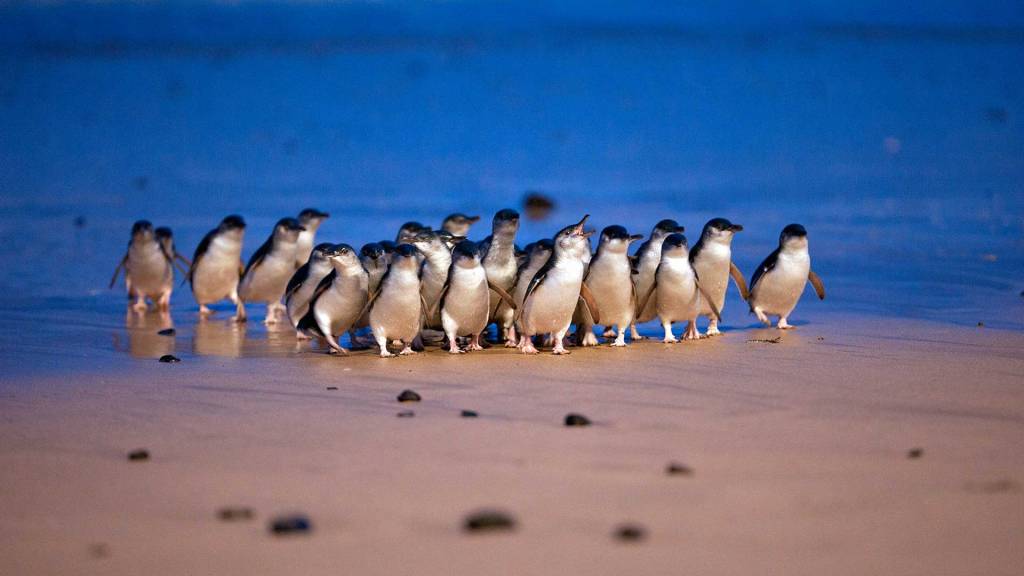
Next off to the Little Penguin colony and the nightly Penguin Parade.  The colony is situated in a cove surrounded by rolling hills.  Unlike the penguins of Antarctica who nest on rocky beaches, the penguins here nest in burrows that dot the hills.  The penguins pair up to produce offspring and every day, one sticks around to guard their home and the egg or chick, the other swims off for dinner.  At dusk, the swimmers come home after a hard day at sea.  They wash up on shore in large groups.  After a careful look around, they make a mad dash across the open sand.  Trying to avoid being picked off by a predator, foxes or large birds, there is safety in numbers.  Once across the sand they spread out, following trails that crisscross the hills leading to home.  They call it a parade but it is more of a penguin rush hour with hundreds of penguins waddling through the dunes.

            On this night, it was cold, really cold, and the wind was blasting off the ocean.  We sat huddled on risers waiting for their return.  The penguin parade path is lit with a type of light that allows us to see them, but they cannot see us.  I would imagine they could hear us, but they seemed okay and quickly walked their path hurrying along, anxious to get home and into cover. Adorable.  Just cute as can be.  Unfortunately, to make sure the penguins are not startled by flashes, photography was prohibited.  So we have no photos.  They gave us stock photos instead.  This does not do any justice to what we saw.   

For you penguin afficionados, while they look like twins,
Aussie Little Penguins are distinct from the New Zealand Blue Penguins.  

February 15 – 20, 2024 – Matt and Marsha Take Melbourne (and see Taylor Swift) Part One

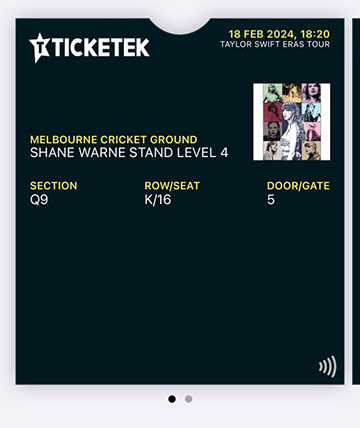
Screenshot

  I admit that I am a fan of Taylor Swift.  I am not a Swiftie per se, because I don’t really have time to follow her every move, thought, outfit or boyfriend.  But I have her albums and like her music.  I also admire her tenaciousness.  She is one tough broad from a business perspective.  Her taste in men might need a bit of fine tuning, but how to make money and keep fans interested, the woman just knows.  

New Zealand is not always on the concert tour circuit, particularly Wellington.  And that played out here.  While she was coming to Southeast Asia and the Pacific part of the world, she was not coming to New Zealand, not even Aukland.  She was playing Japan, Singapore and Australia.   My plan was to find tickets at one of these locations and do a little sightseeing along the way.  Those were the location options. 

            Could tickets really be that hard to get?  Well, Japan was completely out of reach price wise.  Singapore was more affordable, but the dates were not good and there were not many tickets available on resale sites.  That left Australia.  Sydney or Melbourne.  I decided to try Melbourne.  We had never been to that city and the concerts, there were three, fell on a weekend so Matt would not have to use too many vacation days.  Flying to Australia from New Zealand is relatively inexpensive, certainly cheaper than flying to Japan or Singapore.  In addition, in certain states in Australia, it is illegal to charge more than 10% above a ticket price for resale.  If I could snag an Aussie ticket, I would not have to take out a loan.  In terms of scams, I was protected because Stub Hub guaranteed the tickets would be valid.  Plus, Tay Tay was protecting the tickets from scammers by withholding release.  

            I plunged in and, incredibly, I found reasonably priced tickets, much less expensive than the thousands of dollars people were paying, as many news stories reported.  With tickets bought, we made our plans to visit Melbourne and the AU state of Victoria. This was September 2023.  

            Six months later, February 2024, we boarded the plane bound for Melbourne.  Approximately 99.9% of the people on board were going to the show.  There were Swifties everywhere—preteens, teens, young adults, and mature women like myself.  They wore decorated cowboy hats and friendship bracelets and Taylor tees.  Many were dressed in pink.  The captain announced that we were on Air New Zealand Flight 1989 and the passengers erupted in cheers.  He said he did not know why everyone was so excited about the Flight number but her would ask his daughter who was a Swift fan.  (It’s a clever reference to a Swift album.)

            Matt was one of the few men on the plane and certainly one of the few men going to the show.  He kept telling people the best thing about going to the show would be the lack of line for the men’s room.  Little did he know that the women would take over the men’s rooms.  

            There were three shows.  The stadium was configured to seat 96,000 people, which means that she would play to 288,000 people in three days.  She could easily have filled it three more times.  The entire city was abuzz.  As we traveled around Melbourne, we saw women headed for the stadium.  I soon realized that I was not prepared in the least to go to this show.  Women were dressed in full-on Swiftie fashion.  The costume of choice was sequin dresses, white cowboy boots or white go-go boots, and faces adorned with lots and lots of glittery makeup.  I don’t think I have ever seen so many women in sequins.  But I had no time to find sequins anything, so I let it go.  

            On the day of the show, we arrived fairly early because 96,000 people is a big crowd.  Plus, reports were that tens of thousands more planned on sitting outside of the stadium to listen.  Sure enough, the grounds were packed but well organized.  Large tents were set up for merch sales.  By the time we got there, there was not much left.  Swifties are mostly tiny teens and preteens and all they had left were size XL and up.  I opted for an XL.  Matt was elated he could get a shirt in his size.  

            As we entered the stadium, we were handed lighted wrist bands.  We had no idea why.  After waiting for about two hours in the blazing sun, it was time for Taylor.  The three-hour marathon concert had begun and 96,000 of my closest friends sang every word of every song.  The three teens and their mother sitting in front of us knew every song, every line, every move.  It was cute at first but then I started to get annoyed.  I came to hear Taylor Swift perform, not three screaming teens and their mum from Melbourne.  But there was not a thing I could do about it.  

            Our seats were not bad.  We could see everything and, of course, her stage set up and cameras were perfectly situated.  She was also miked perfectly.  I could hear every word she sang and uttered.  I knew most of the songs, but certainly not all.  Those wrist bands we were given were part of the show. They would light up and blink in a specific color, or all colors, according to the song/mood.  You will see in the pictures that the entire stadium seems to be lit in red.  That is the wrist bands for the Reputation songs.  This was a fun addition and made it sort of participatory, aside from all the singing.  

One woman mesmerizes 96,000 people

            I would not call it a great show.  She was good.  It was a good show.  I reserve the word great for a Prince concert.  That man put on a great show.  Or maybe U2.  They always put on a great show.  But Taylor put on a good, entertaining show. I took an unofficial poll of every tween I saw coming back from a show, many for whom this was a first concert. Just about everyone said it was wonderful or even magical.  

Looks like purple wrist bands this time

And I was there.  Matt was there.  I’ll remember it all too well.  (Stupid Taylor joke).

Red wrist bands were not for the album “Red,” but for “Reputation.”

            Was it worth the trip?  Sure.  Because in addition to the concert we got to see Melbourne and a small part of the south coast of Australia. 

 February 11 – Blackberry Picking!


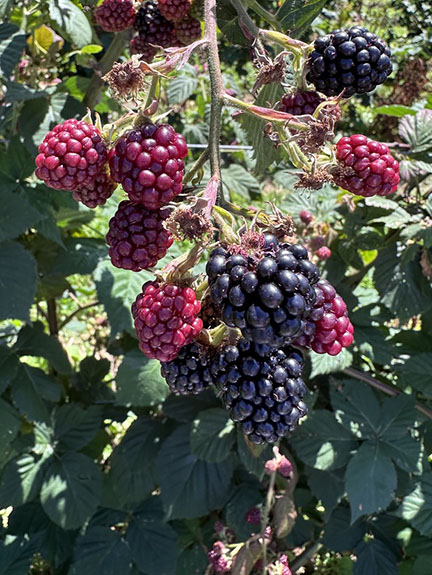
            Gosh it sure did feel good to do some berry picking.  Matt and I spent the year (or two) that was COVID picking fruit of every kind at a local farm.  It allowed us to be outdoors and out of the house.  Summer is short here so when I saw a sign for blackberry picking, we sought it out almost immediately. 

In Maryland, we, and every other picker, worked on filling large containers, gallons of the stuff.   My freezer would bulge with fruit. Here, people are much more reserved, picking small amounts, maybe just enough for a snack.  When we arrived, the owner of the farm offered us a bucket.  It was small, maybe two gallons, and it did not take long to fill it.  When we showed up to pay for the berries, the farm owner was delighted, of course.   A young girl saw our overflowing bucket and gasped, “Mommy, look at what they picked!”  The mother’s jaw dropped. I smiled and rubbed my belly, “And they are all going right here.”  Lots of giggles.

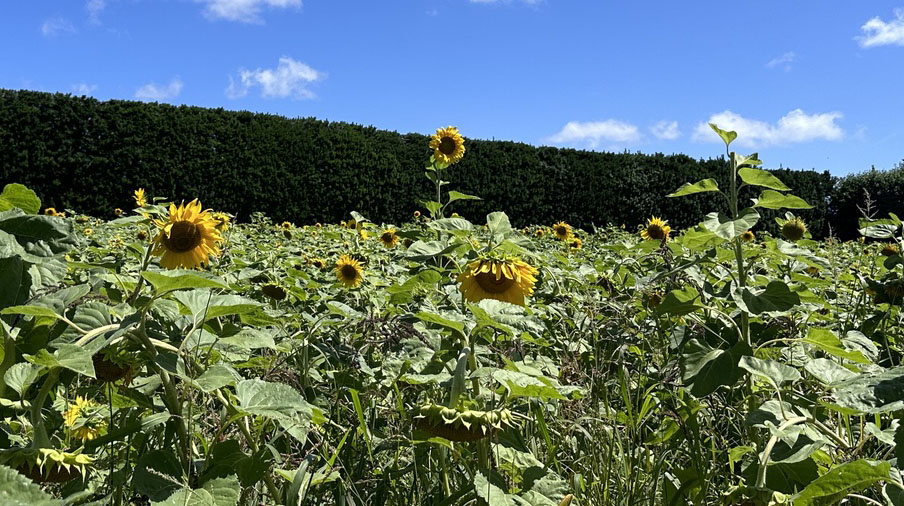
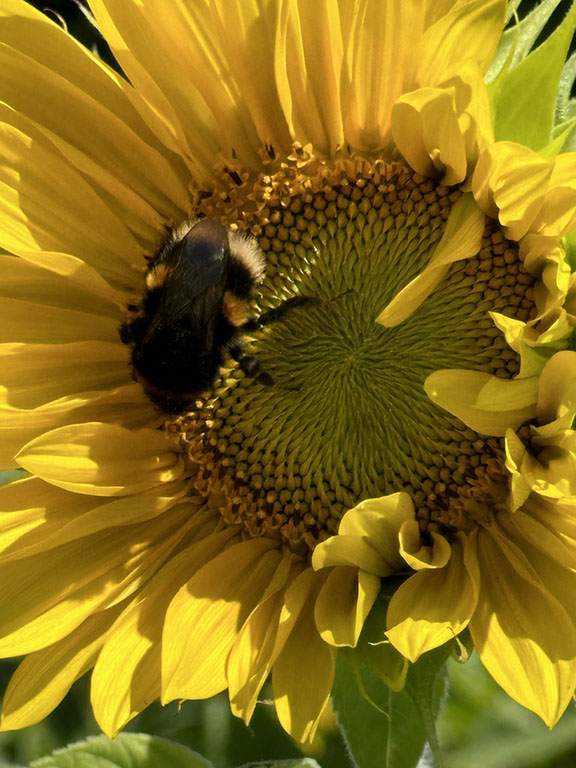
            The farm also had a sunflower field.  Here is some sunshine:

I gotta be me!

February 4 – Cape Palliser – The southern most tip of the North Island

The Wairapa

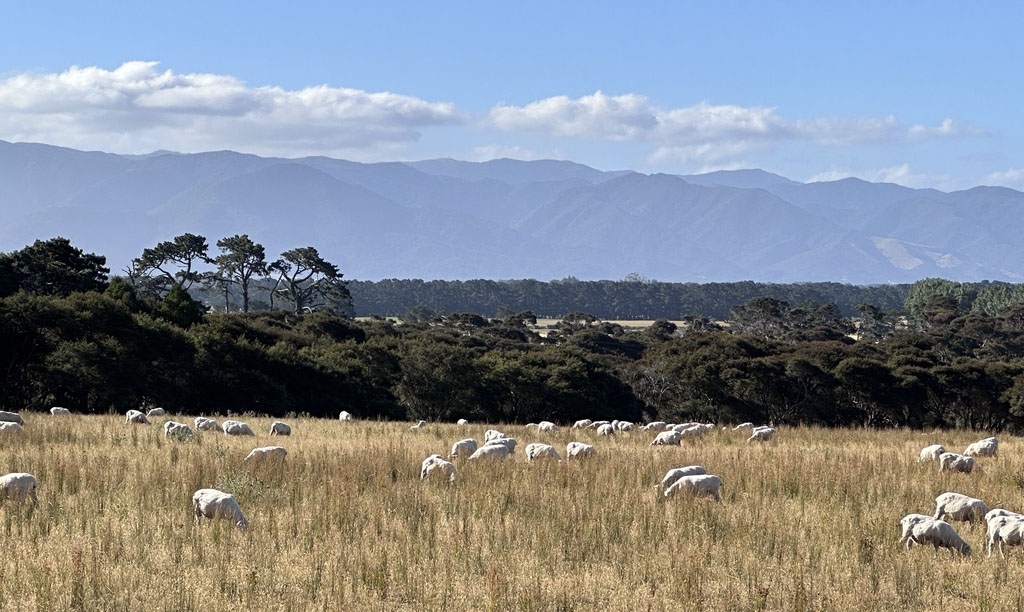
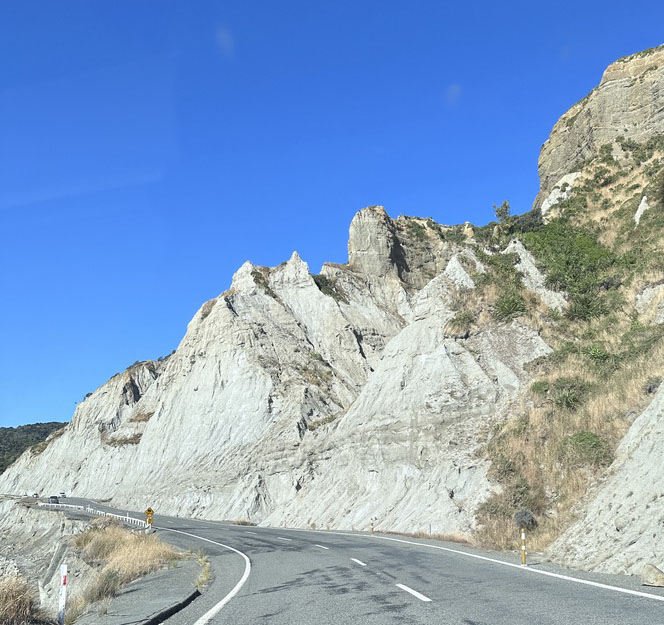
There is a large geographic region area to the east of Wellington known as The Wairarapa.  I am not sure why it is The Wairarapa, but that is what they say.  It is a rural area with lots of vineyards, cattle, and sheep.  With no cities and a sparse population, a dark sky reserve has been established there. There is also an area known as The Pinnacles, with eroded canyons much like the Badlands of South Dakota.  But while the Badlands are eroded into soft rolling hills, with deep channels, the Pinnacles have eroded into large pillars more reminiscent of Bryce Canyon.  We decided to take a joy ride.  

 Unfortunately, a rock slide has rendered the trail to the The Pinnacles impassable.  Although we did get some sense of it just from the eroding hills next to the road.

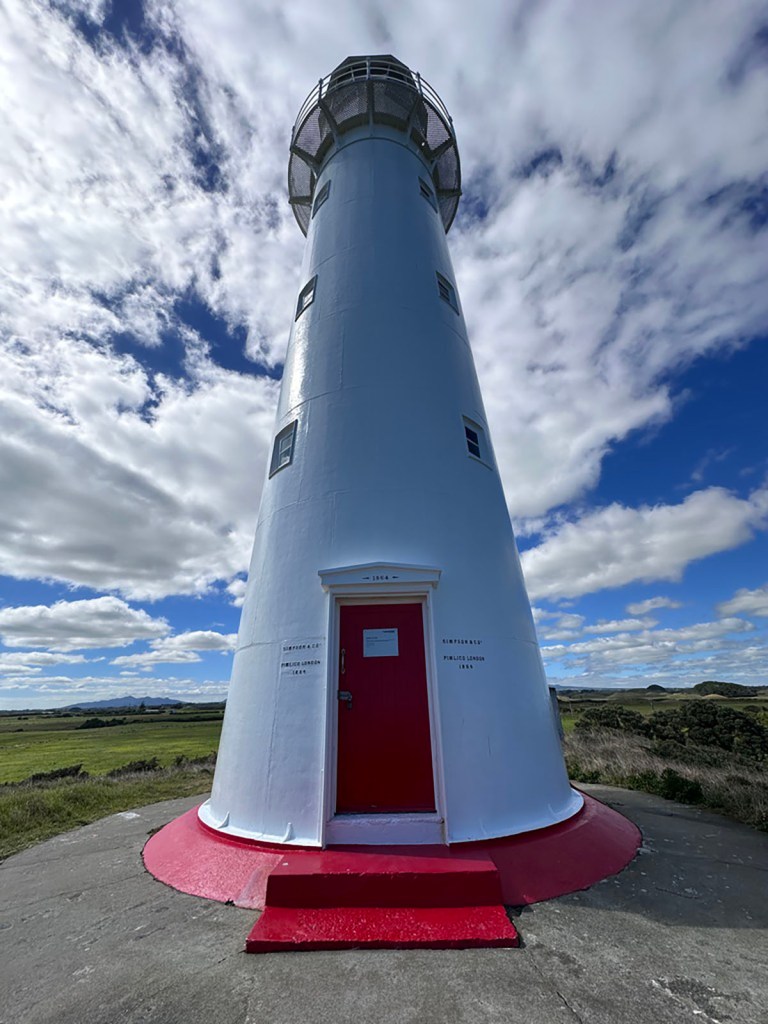
 Since we had driven all that way, we decided to keep going to Cape Palliser on the southern tip of the North Island with a working light house and a lot of fur seals.  This is the southern most point on the North Island.

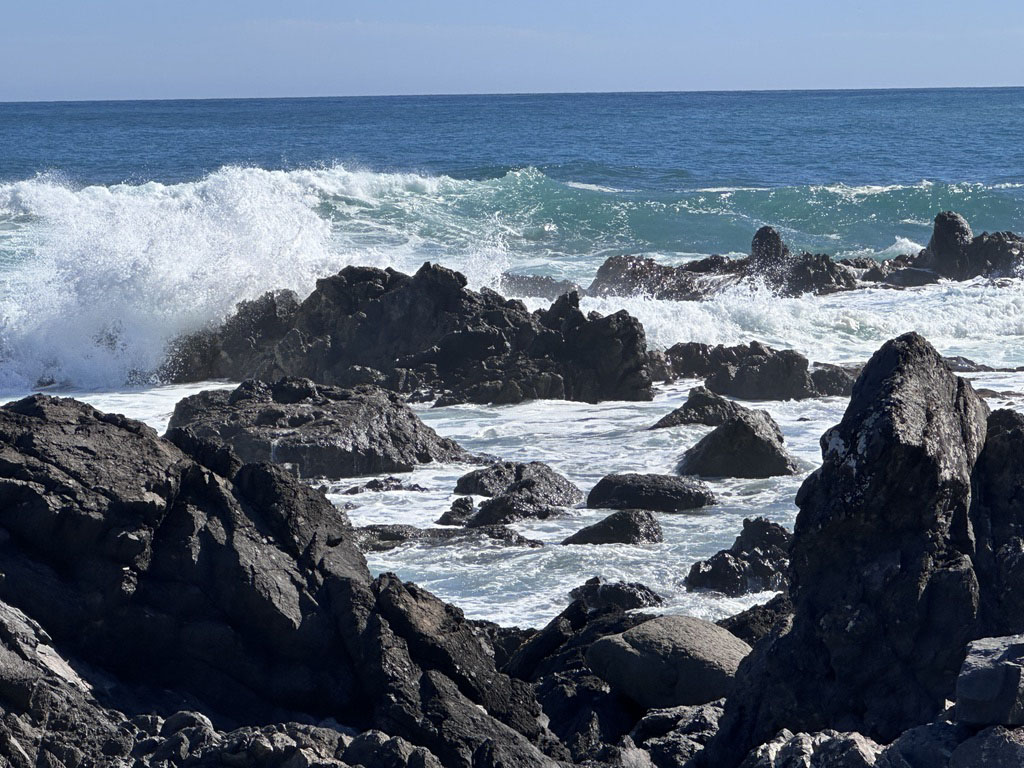
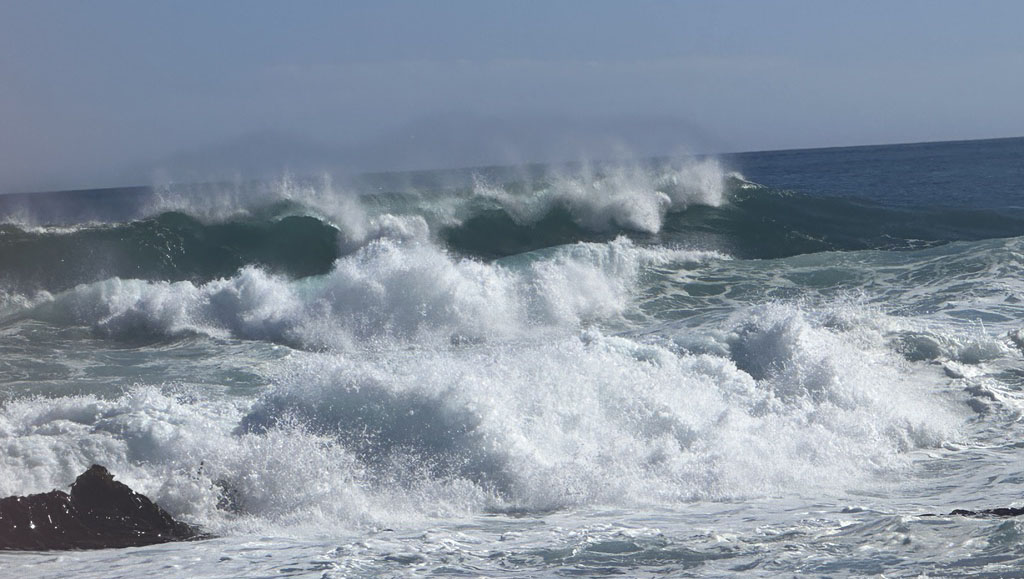
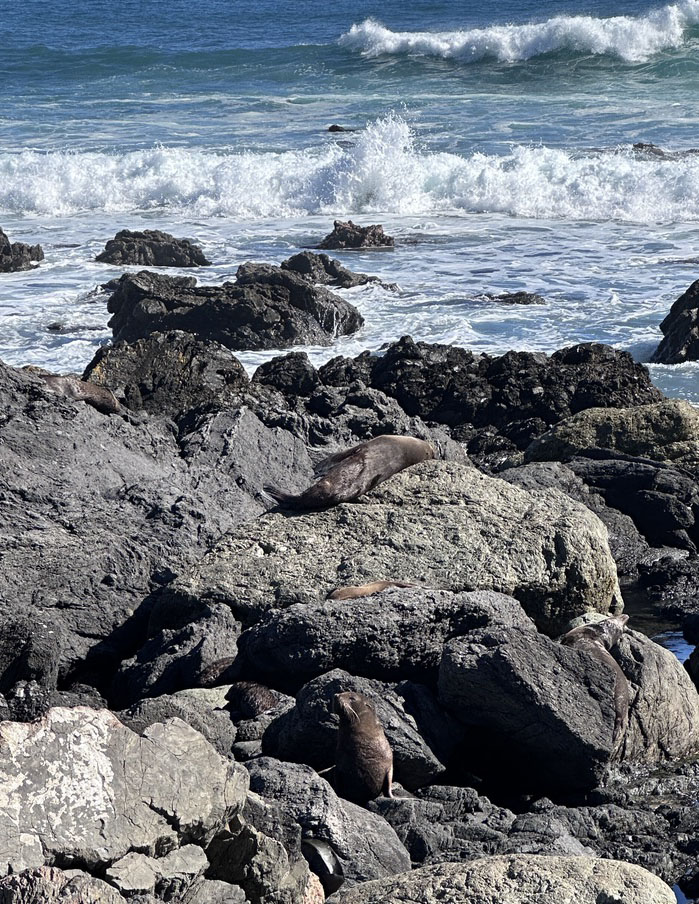
 This coast is directly exposed to the South Pacific, which means spectacular views of large waves and rock formations.  The road was so close to the sea that in some areas, the road had collapsed.  At the Cape, we found clear blue waves rolling along the shore while seals sunned themselves on the rocks. 


there are seven seals in this picture.

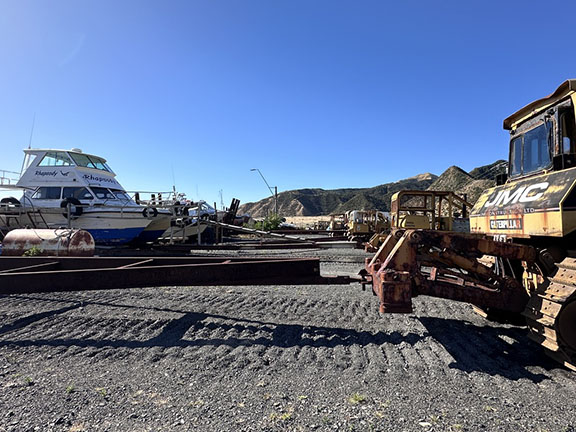
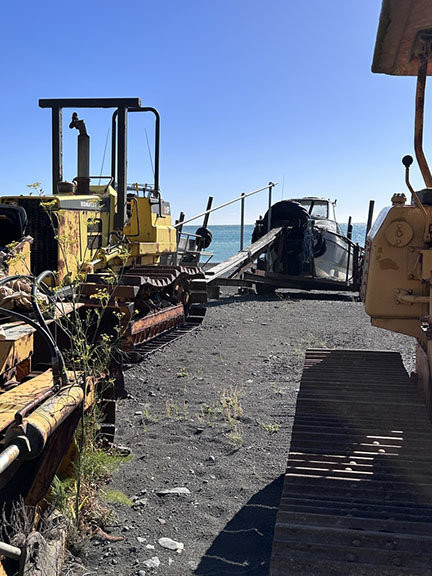
Here is a fun fact–because the New Zealand coast is so rough and exposed, there are few harbors or marinas or even boat ramps on the coast. Instead, boat owners use tractors to launch their boats from the beach. Here at Te Horo Beach it is not unusual to see a tractor drive down the road towing a boat and off to the beach they go.

On this trip, we saw an entire boat yard of boats and tractors in a small town on the way to the cape. I assume that because this is a fairly rural country, the choice of a tractor was obvious. In many towns there is a community tractor that anyone can use. Maybe this is done in other places but I have only seen it here and I think it is pretty interesting no matter where it is done.

boat yard
Ready to go

Foods Kiwis Love – Beets and Sweet Potatoes Are High on the List

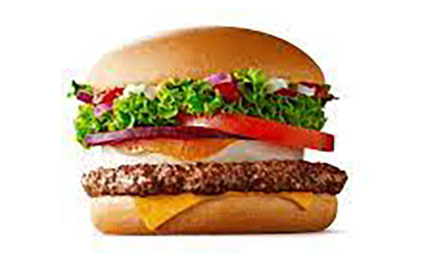
I really, really hate beets. And here I am living in a country that eats beets the way we eat tomatoes in the U.S. Beets are everywhere. They show up in dips, sandwiches, salads, relish, and horrors, ingredients in cakes, brownies and tarts. To prove they are ubiquitous, let me introduce you to the McDonald’s Kiwiburger. It has a beet on it. A beet. Yikes!

They are also quite fond of sweet potatoes, which they call kumara. All winter they are featured in magazine recipes, on restaurant menus, and presented in overflowing bins in the vegetable aisle. I don’t hate sweet potatoes. I just feel better when they are not around.

There are other random foods that always seem to be available such as cilantro, rhubarb, watercress, and white Swiss chard, which they refer to as Silver Beet. (Again with the beets.) I like all of these foods. I just find it odd that they seem to be staples.

I have already done a discourse on sausages. Sausage is their go to summer barbecue meat. Easily, 50% of the meat aisle is sausages.

In the summer, cherries are everywhere. Just regular sweet cherries, nothing exotic. Although I did run across Rainier cherries at a fruit and vegetable market. The owners, a young couple who are very happy when I show up with my wallet, decided to try and sell them. I think it was going badly until I came along and bought half of their inventory. They called them white cherries and I guess that is somewhat accurate. But I explained they were called Rainier cherries and that they are considered premium cherries in the U.S. (They also cost a fortune in the U.S. Here they went for a song because no one knows what they are.)

Plums are also very popular. For the past month or more, roadside signs have appeared offering plums for sale by local farmers. There are several varieties and they are used in yogurt, ice cream, cakes and pies. There are some more exotic fruits like tamarillo and feijoa, which are fruits from South America.. These arrive in the autumn and people just go crazy for them, particularly feijoa, which is also made into yogurts and desserts.

After all that, God bless them, but they still do not understand tomatoes. You can buy them here but they are fairly bland. I have not seen an heirloom tomato anywhere. Their use of them in sauces and salsas tend to reflect the blandness. Here is a good rule–don’t buy their ketchup. Seek out Heinz.

Kiwispeak


  Every culture has its way of saying things and  New Zealand is no different.  Many of their idioms or word choices come directly from British English.  Some of it is original to New Zealand.  Some of it is puzzling.  

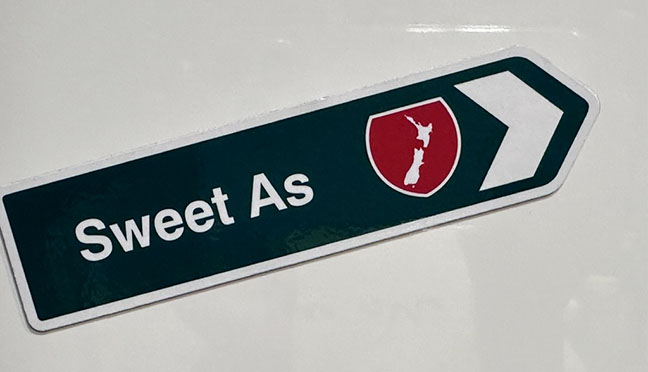
            Our favorite is “sweet as.”  They do not ever finish this thought.  They just say with clear delight, “sweet as…!” I would define this as meaning “awesome” or “cool.”

            How about being greeted with “How are you going?”  This appears to be some mish mash of two of our sayings: “How are you doing?” and “How is it going?”  I understand that Canadians also say this so perhaps this is British English. Whatever it is, it makes my head hurt.

            When something needs to be or has been solved or figured out, they say “let’s get that sorted” or “now that we have that sorted.” This word is used a lot. It seems to be used as a replacement for “solved,” fixed,” and “taken care of” among others. This, too, is British English.

To say hello, they use the Maori greeting “Kia Ora,” which means “have life” or “be healthy.” It is pronounced as the two sliding into one word “Kyee-ora.”

Sometimes, where we might say “thank you,” they say “lovely.” For example, they ask, what is your address? After I give the information, their answer is “Lovely.” I am never clear if the information I have given is lovely or if they are affirming my loveliness for giving them the information.

            “Hi” is “Hiya” here.  It is often pronounced with a bit of a trill, song-like.

Marsha Takes Up Croquet

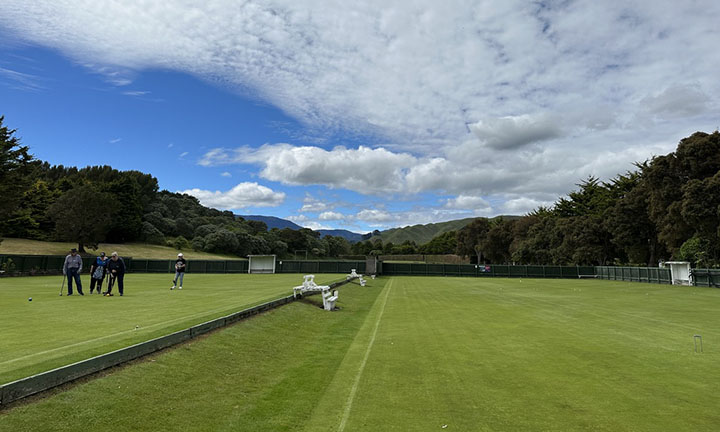
Croquet Grounds

Laugh if you will but I have decided to learn to play croquet. I saw an ad in the local paper where a croquet club was having a “Have a Go” Day. I never played croquet in my life except for the back yard game we played as kids. But I thought, what the hell?

I quickly learned that croquet is a vicious game. And I love that. Imagine if, as part of the game of golf, the other players could knock your ball away from the hole, in fact, clean off the putting green, before you have the opportunity to putt it in. That is croquet in a nutshell. The goal is to get your ball through the hoop before the other side and along the way your job is to make them miserable by knocking their ball as far from the hoop as possible. You are preventing them from scoring while they are preventing you from scoring. There is so much strategy involved and yet, no matter how you decide to proceed, you still have to make the shot. In that sense it is somewhat like curling or perhaps playing pool. You can have a plan but you still have to make it work. As a pool player, understanding the angles helps a lot but getting the right amount of weight on the ball and controlling the direction will take years to master.

I am playing what is called Golf Croquet. This is more for socializing and fun. We have partners, with four players in a game. We chat and laugh and have fun. The serious minded play something called Association Croquet, which I understand has very little socializing. It is just a player and his mallet. I am not in this to become a pro. I am just trying to have some fun so I will stick with Golf Croquet.

I am the youngest play in this group by far. Only retired folks can play croquet in the middle of the day. But no matter their age, they are way better than I am. What is really nice is that even though it is a vicious game, everyone is quite polite about it. Everyone, even opponents, helps me figure out the game and gives me advice on how to hit the ball. New Zealanders are polite as it is and playing this game just emphasizes it. I get a lot of “well played,” and “very nice shot” if I make a good shot, as well as “hard luck” when I miss. At the end, we shake hands and go on to the next round.

I am told I am pretty good given how little I have played. I think I am more lucky than anything. Still, hopefully in a year or so, I will have improved enough to actually know what I am doing.

Lining up a shot

January disappeared…But we did manage to see the Foo Fighters

Matt and I both came down with COVID about a week into January and the month disappeared with nothing to do until the very end. We had recovered and w e had tickets to see the Foo Fighters on January 27. They came to Wellington! Oh, the excitement!

Wellington has problems getting music acts to play here for two reasons. It is a small city and there is an enthusiasm problem and there is no mid-size venue. You get 5000 seats or you get a stadium. Limited places to play mean limited acts.

But Dave came. He did not fill the stadium, but it was a pretty good crowd. I got to jump around and head bang. Thanks Dave!

Dave and Chris
When the sum goes down, it is cold!

And yes, a concert in New Zealand is like a concert anywhere. People dance, people drink too much, people howl.